

Two Basic Ways to Join Steel
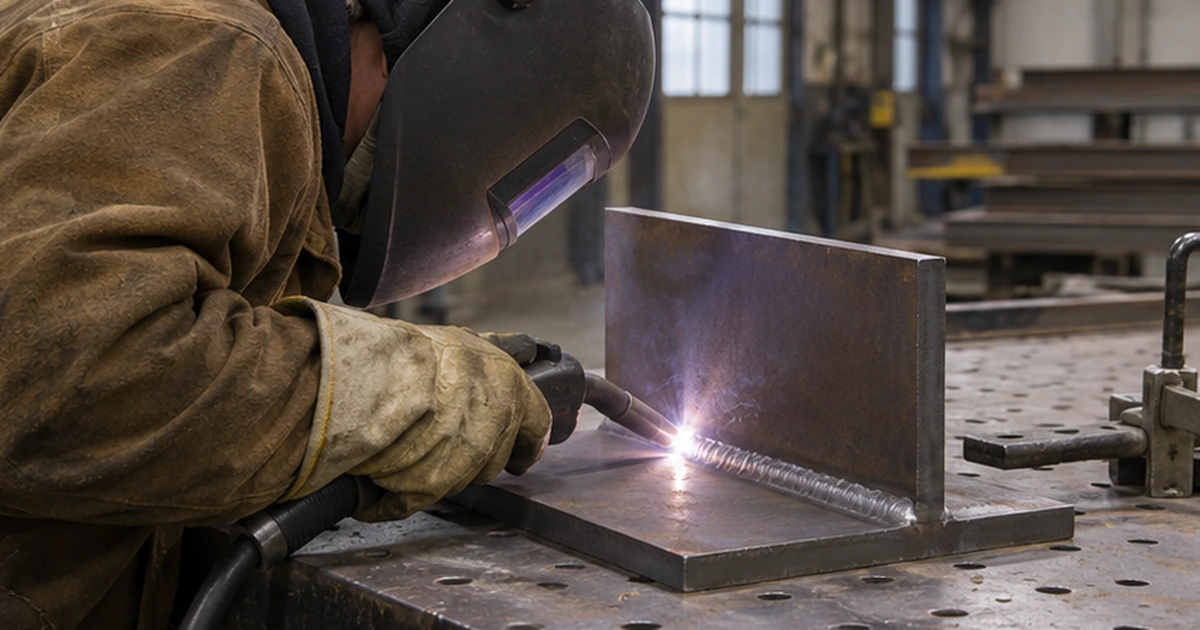
Most welded joints are either fillet welds or butt welds. A butt weld joins two parts edge to edge in the same plane, or at a corner, by filling a groove. A fillet weld joins two surfaces at an angle, usually 90 degrees, with a roughly triangular weld in the corner. Each has its place, and choosing correctly affects strength, cost and inspection.
How a Fillet Weld Works
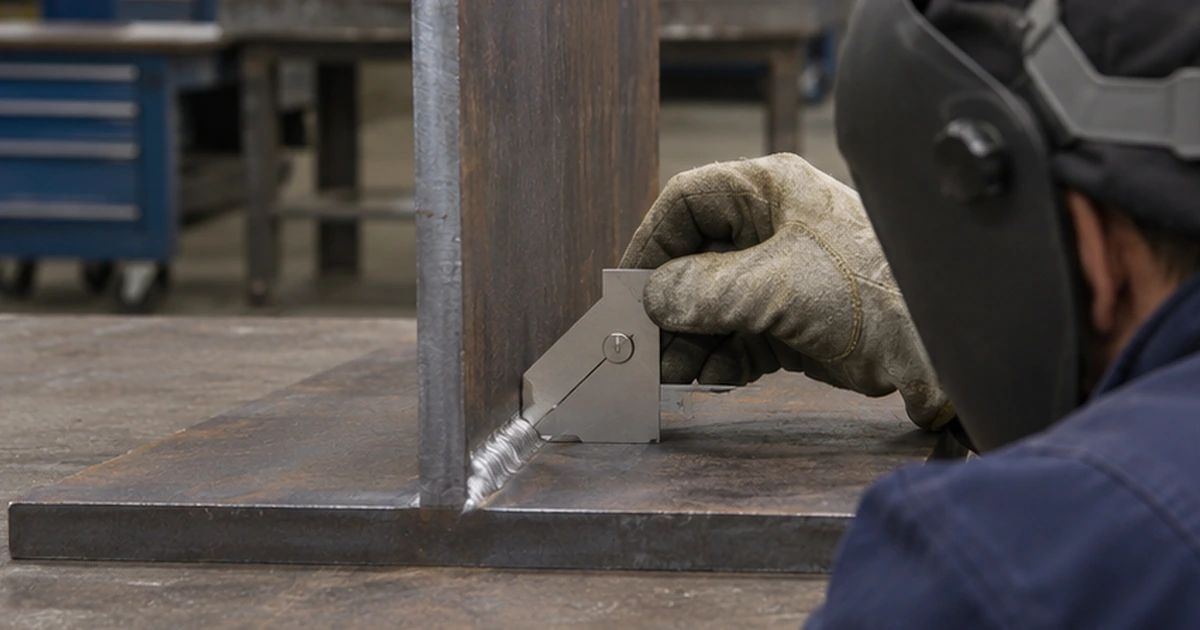
A fillet weld is sized by its leg length or throat thickness. The throat, the shortest distance from the root to the face, carries the load. For an equal-leg fillet, the throat is about 0.7 times the leg. Fillet welds need little or no edge preparation, are quick to make and are used for T-joints, lap joints, brackets, stiffeners and attachments.
- Advantages: no bevel needed, fast, tolerant of fit-up
- Limits: lower fatigue strength, load passes through the throat, internal root not fully fused
- Inspection: mainly visual and surface crack testing; volumetric testing is limited
How a Butt Weld Works
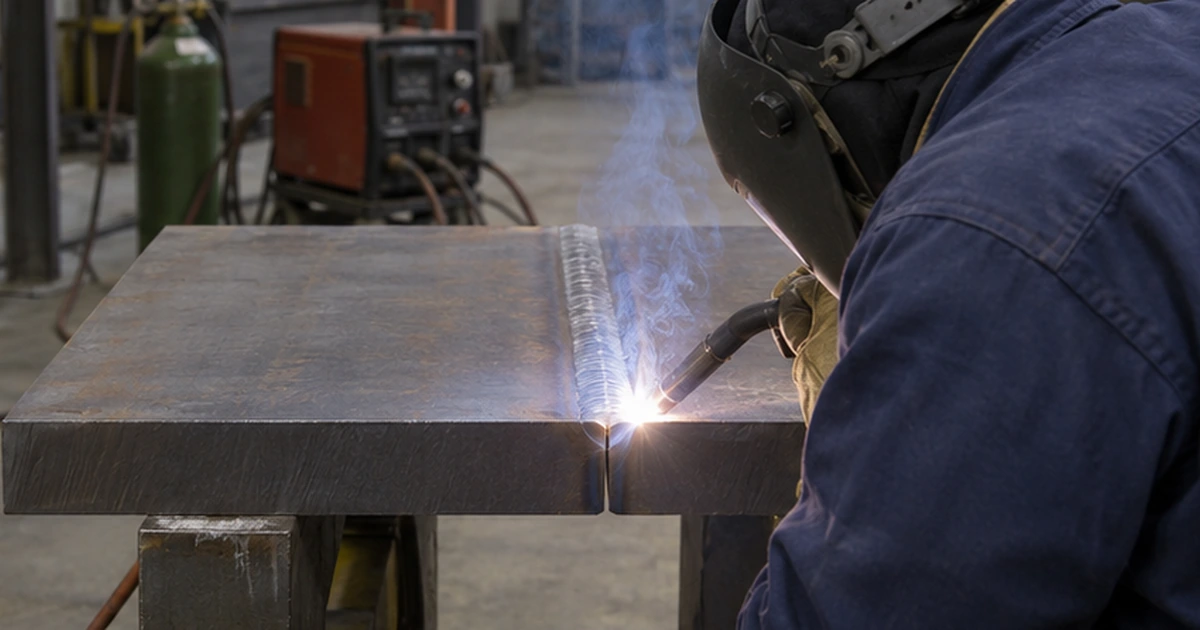
A butt weld fills a prepared groove between two parts. A full penetration butt weld fuses through the whole thickness, so the joint can carry the full strength of the plate. Partial penetration butt welds fuse only part of the thickness and are used where loads are lower. Joint preparation may be square, V, double-V, U, J or bevel, depending on thickness and access.
- Advantages: full strength, better fatigue performance, smooth load path
- Limits: needs edge preparation and accurate fit-up, more weld metal on thick plate, more skill on the root
- Inspection: can be fully tested by radiography or ultrasonic testing
Choosing Between Them
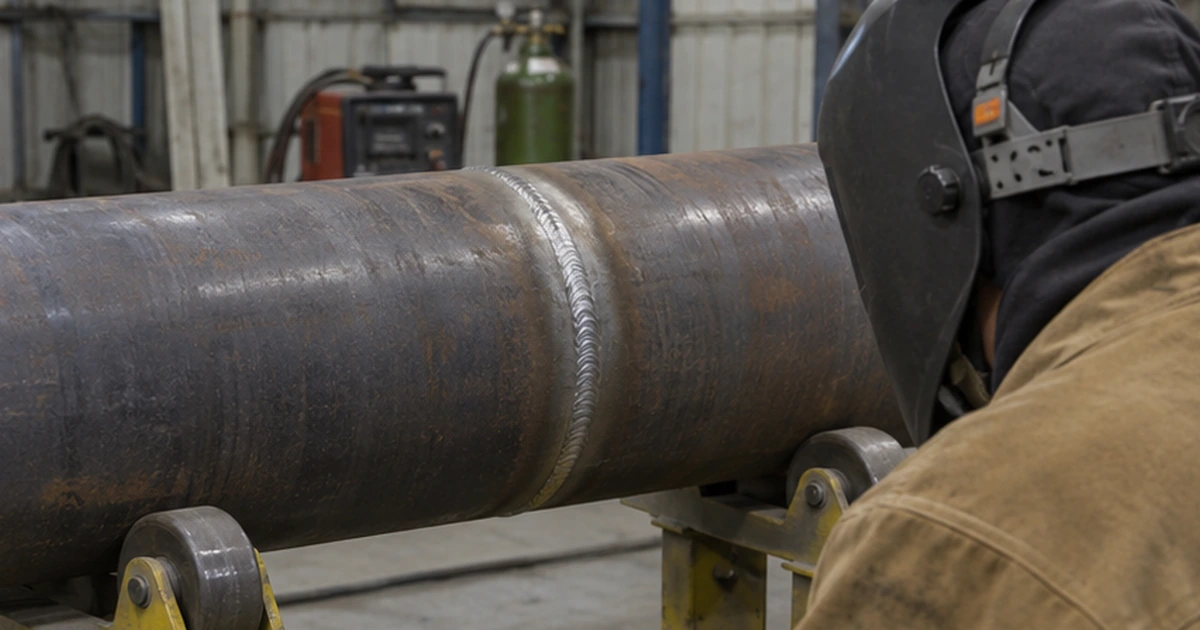
Pressure piping, pipelines, hull plating and highly loaded or fatigue-sensitive joints use full penetration butt welds. Secondary structure, brackets, supports and stiffeners are usually fillet welded. Fillet welds are cheaper for small sizes, but large fillets use a lot of weld metal; above a certain thickness, a partial penetration butt weld with a small fillet cap can be more economical. The design code and drawing decide.
From My Experience
On repairs, I often find brackets with fillet welds that were made too small or with poor root fusion, cracked from vibration. Getting the throat right and making sure the root is fused matter more than making the weld look big.
Conclusion
Fillet welds are quick and economical for attachments; butt welds carry full strength and can be fully inspected. Use each where it fits. See also welding symbols on drawings and weld joint preparation.
If you found this article useful, feel free to share it with colleagues who work with fabricators and designers. — Zisis
Need Help on a Project?
For welding supervision and quality control on marine and industrial work, see Welding Supervision or request a quote.