
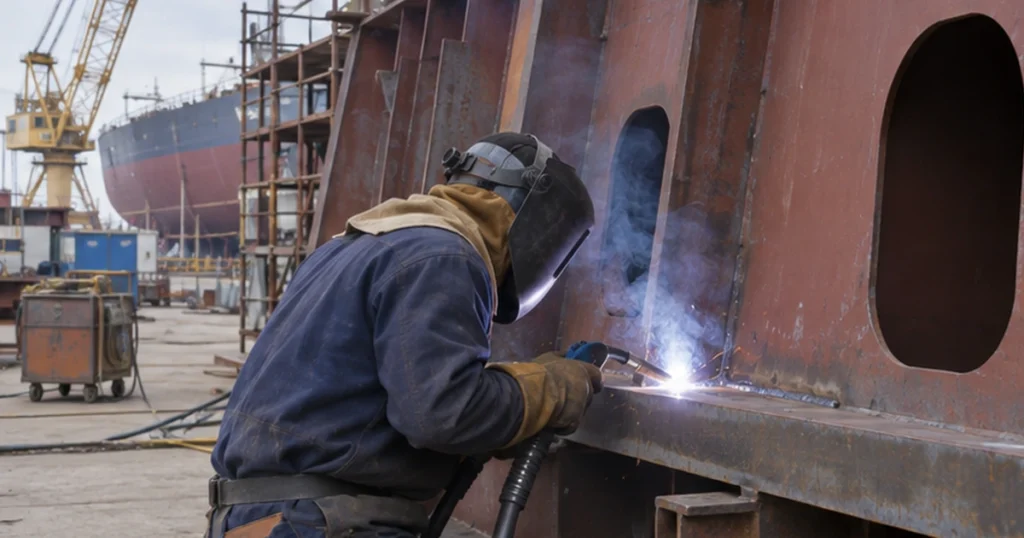
Flux-Cored Welding (FCAW)
Flux-cored welding uses a tubular wire filled with flux. Gas-shielded and self-shielded types, advantages over solid wire, typical uses, settings and limits.
Flux-cored welding uses a tubular wire filled with flux. Gas-shielded and self-shielded types, advantages over solid wire, typical uses, settings and limits.
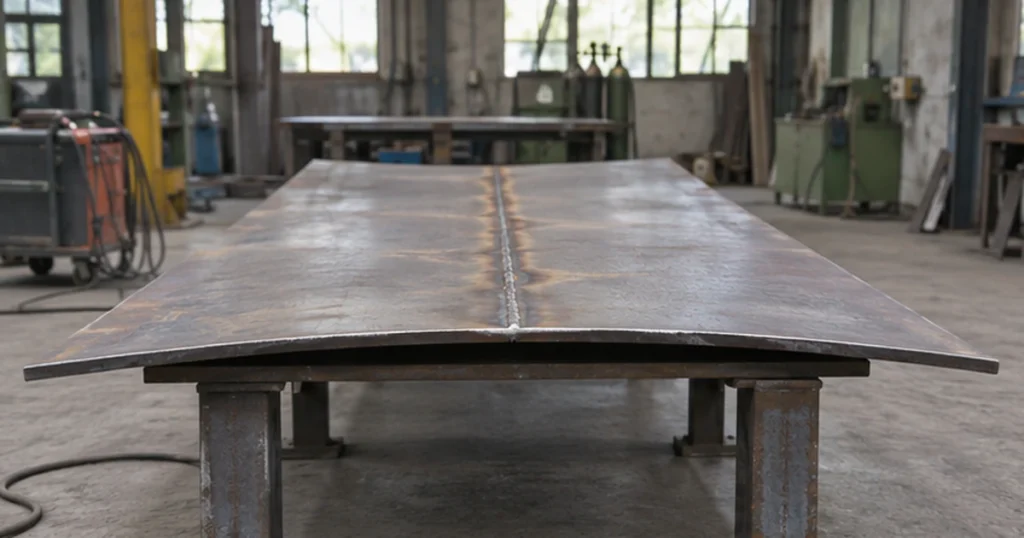
Weld distortion happens as weld metal shrinks. The main types, why they occur, and how to control them: design, fit-up, sequence, clamping and correction.
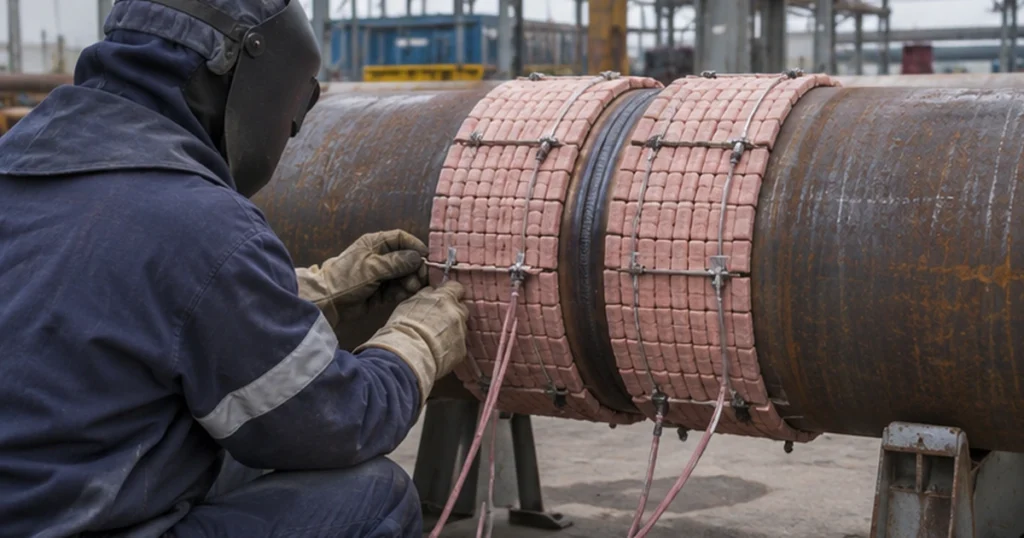
Post-weld heat treatment (PWHT) relieves residual stress and tempers hard welds. When codes require it, heating cycles, local PWHT methods and common mistakes.
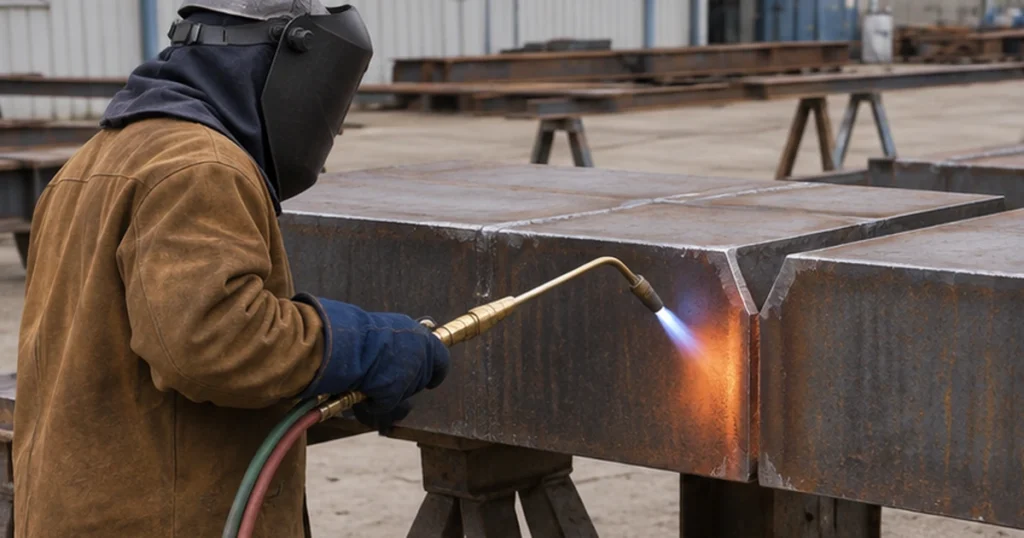
Why preheat matters in welding: how it prevents hydrogen cracking, how carbon equivalent and thickness decide it, interpass limits and how to measure them.
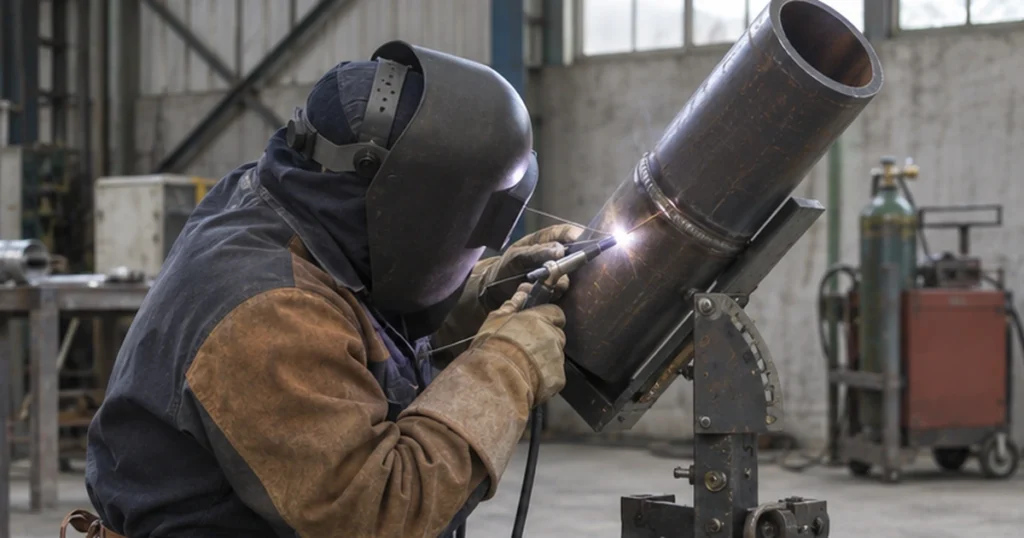
Welding positions explained: 1G to 4G for plate, 1F to 4F for fillets, 5G and 6G for pipe, ISO 6947 codes such as PA, PF and H-L045, and why 6G matters.