

How Each One Resists Corrosion
Stainless steel contains at least about 10.5% chromium. The chromium forms an invisible oxide film on the surface that repairs itself when scratched, as long as oxygen is present. The protection is part of the metal, all the way through.
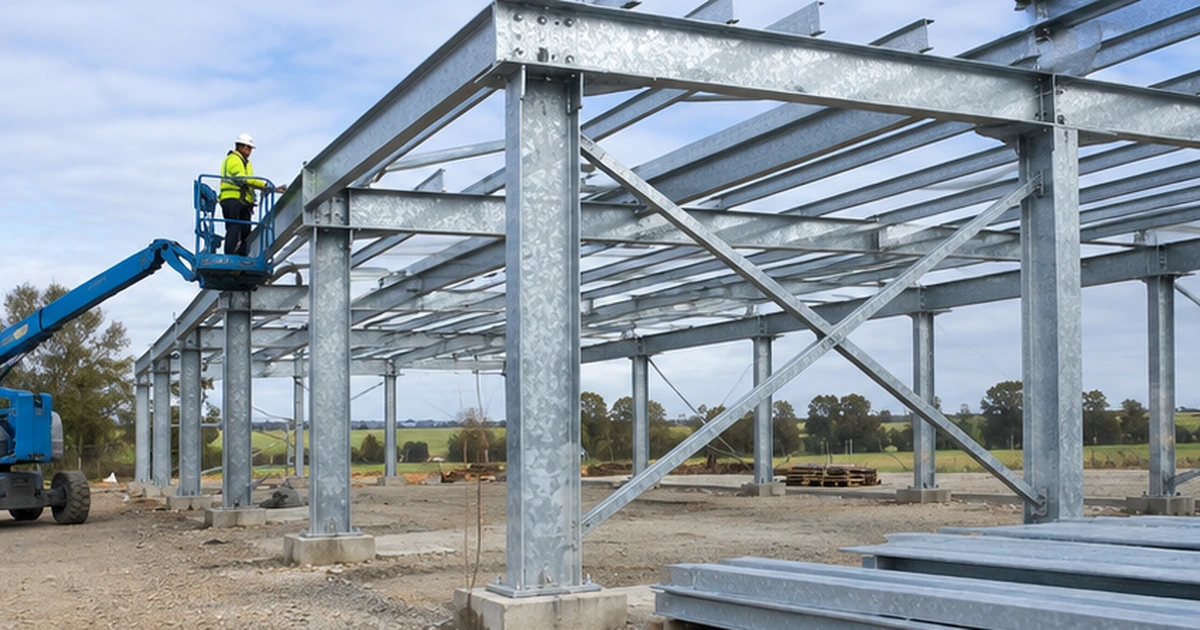
Galvanised steel is ordinary carbon steel coated with zinc, usually by hot-dip galvanising. The zinc acts as a barrier and also corrodes sacrificially, protecting the steel even at small scratches. Once the zinc has been consumed, the steel underneath rusts.
Stainless vs Galvanised: The Practical Differences
- Life: stainless lasts indefinitely in most environments; galvanised steel lasts decades in mild air but less in marine or industrial atmospheres
- Cost: galvanised steel is much cheaper to buy
- Appearance: stainless can be polished; galvanised is dull grey and weathers
- Strength: comparable for similar grades, with galvanised structural steel easier to source in heavy sections
- Repair: damaged galvanising needs touch-up; stainless needs only cleaning
Is Magnetic Steel Stainless?
A common belief is that stainless steel is never magnetic. That is not true. Austenitic grades such as 304 and 316 are essentially non-magnetic when annealed, but become slightly magnetic after cold working, bending or machining. Ferritic grades such as 430 and martensitic grades such as 410 are fully magnetic, and duplex grades are magnetic too. A magnet can help sort materials, but it does not prove whether a part is stainless or which grade it is.
At Sea and in Chloride Environments
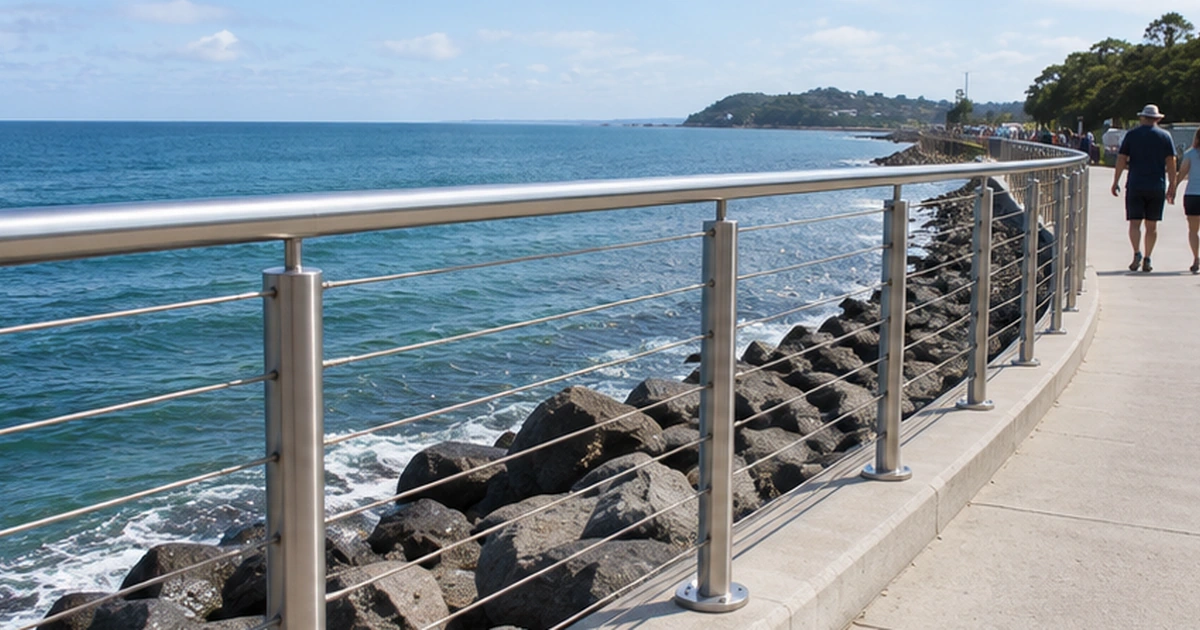
Near seawater, 304 can suffer pitting and tea staining, while 316 performs much better thanks to its molybdenum. Galvanised steel in a splash zone loses its zinc relatively quickly. For handrails, fittings and equipment exposed to spray, 316 or higher grades are usually the better long-term investment.
Welding Galvanised Steel Safely
Zinc boils at about 907 °C, well below the melting point of steel. Welding through the coating produces dense white zinc oxide fume, which can cause metal fume fever, with flu-like symptoms, as well as porosity and spatter in the weld.
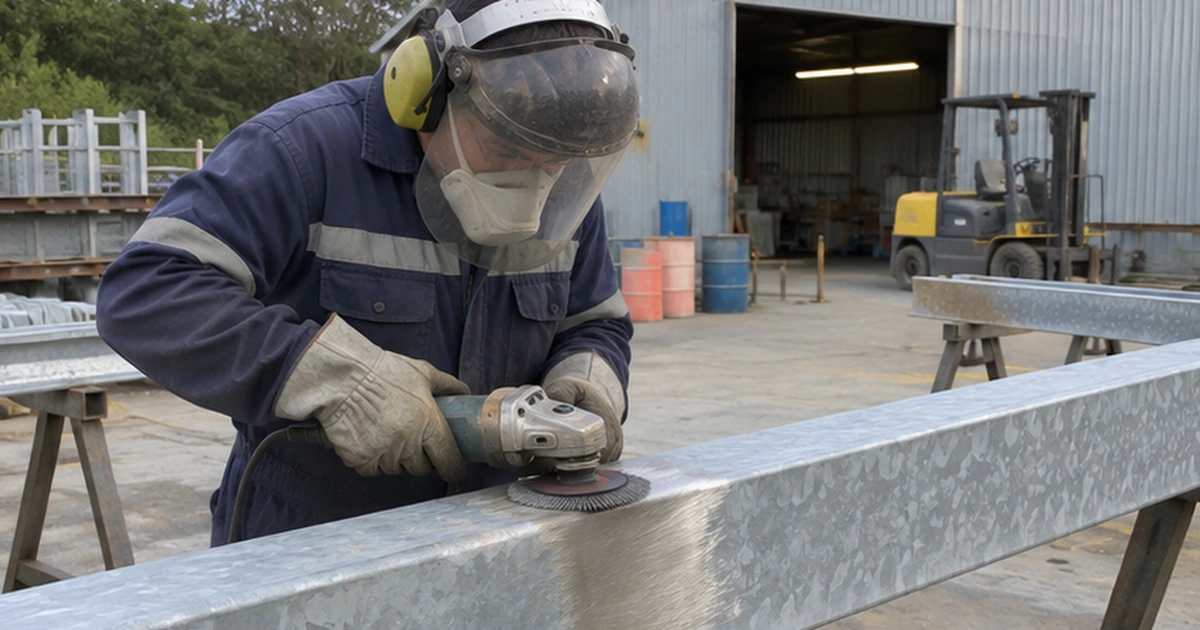
- Remove the zinc from the weld area, typically 25 to 50 mm either side, by grinding
- Use effective fume extraction at the arc and respiratory protection where needed
- Never weld galvanised steel in a confined space without proper ventilation
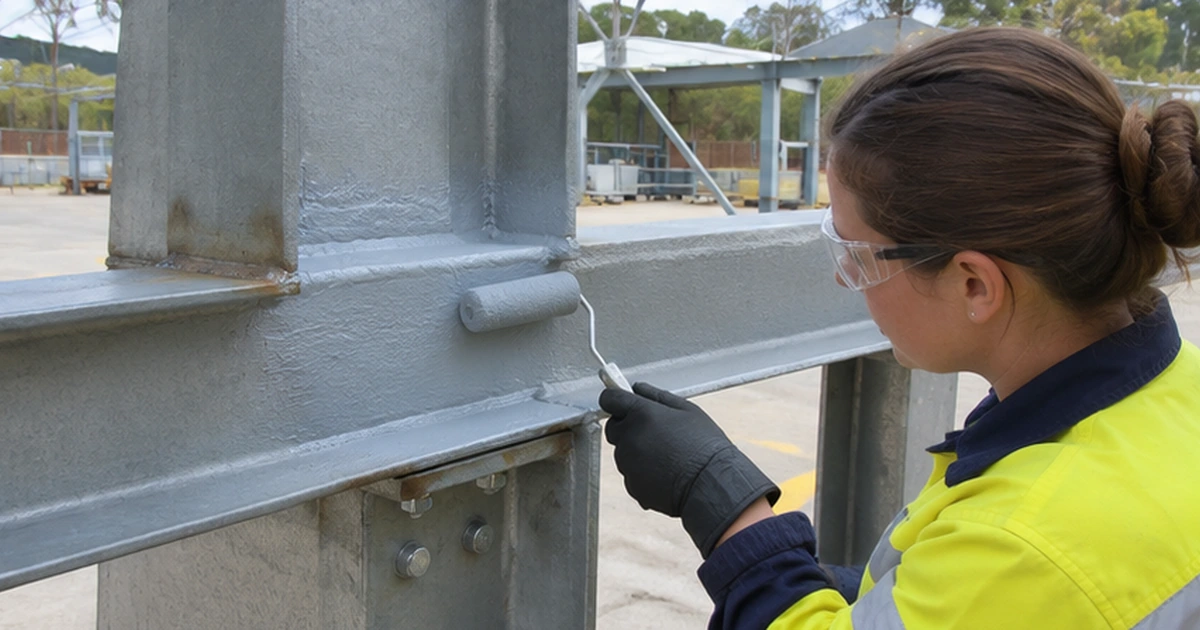
- Restore corrosion protection afterwards with zinc-rich paint or thermal spray
Stainless steel and galvanised steel should not be welded together: zinc contamination can cause cracking in the stainless weld.
From My Experience
On site, I grind the zinc off before striking an arc, every time, and set up extraction even outdoors. Welding straight through galvanising saves five minutes and costs a porous weld and a bad night for whoever breathed the fume.
Conclusion
Galvanised steel is the economical way to protect carbon steel; stainless steel is the long-life choice where appearance or harsh environments matter. Weld galvanised steel only with the zinc removed and the fume controlled. See also welding fume and ventilation and stainless steel 304 vs 316.
If you found this article useful, feel free to share it with colleagues who work with steel structures. — Zisis
Need Help on a Project?
For precision TIG welding on marine and industrial work, see TIG Welding or request a quote.