

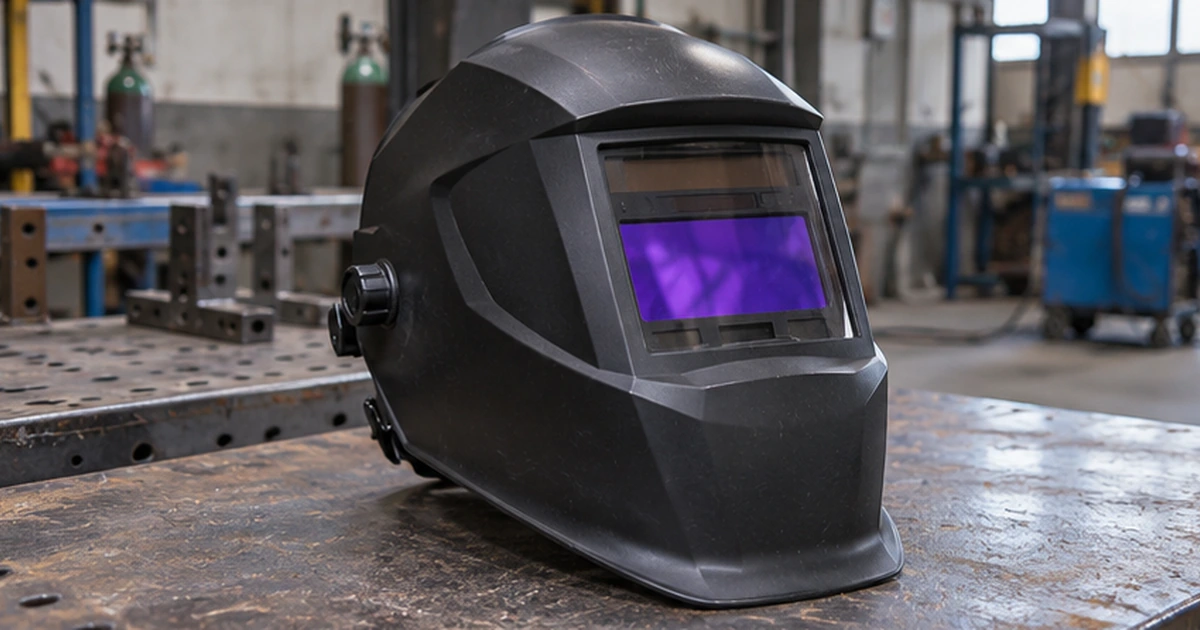
Why the Welding Helmet Comes First
The arc gives off intense visible light, ultraviolet and infrared radiation. Visible glare tires and irritates the eyes, but the real danger is the radiation you cannot see. Even a short exposure to UV can cause arc eye, a painful inflammation of the cornea, and repeated exposure can damage the eyes permanently. A good welding helmet is the first piece of protection a welder needs.
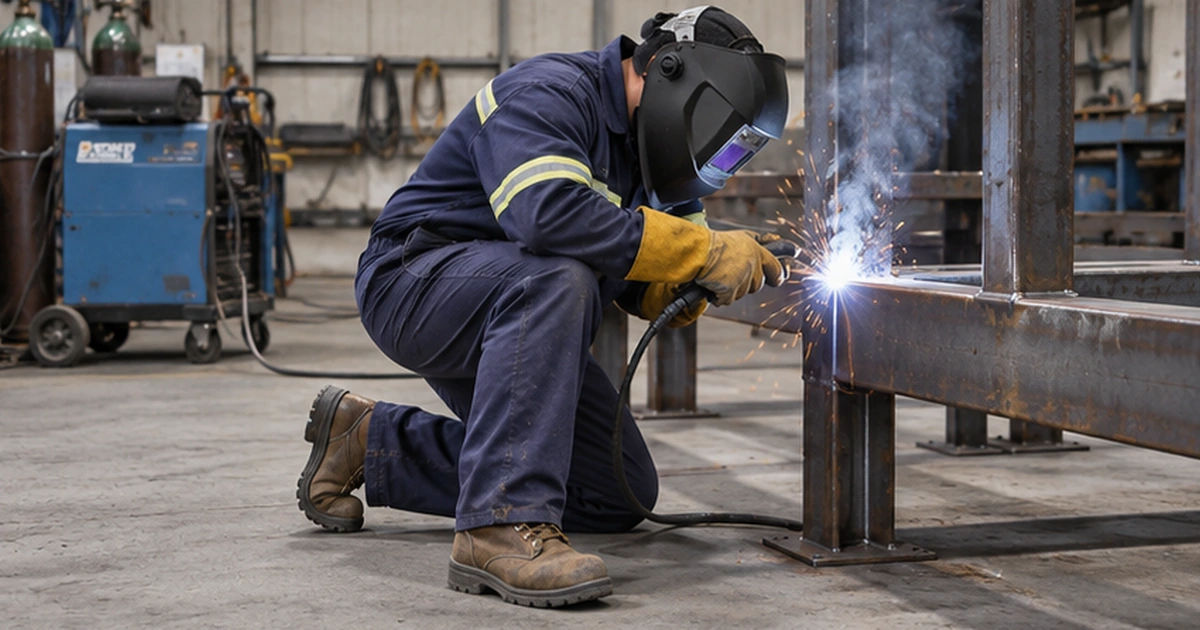
How an Auto-Darkening Helmet Works
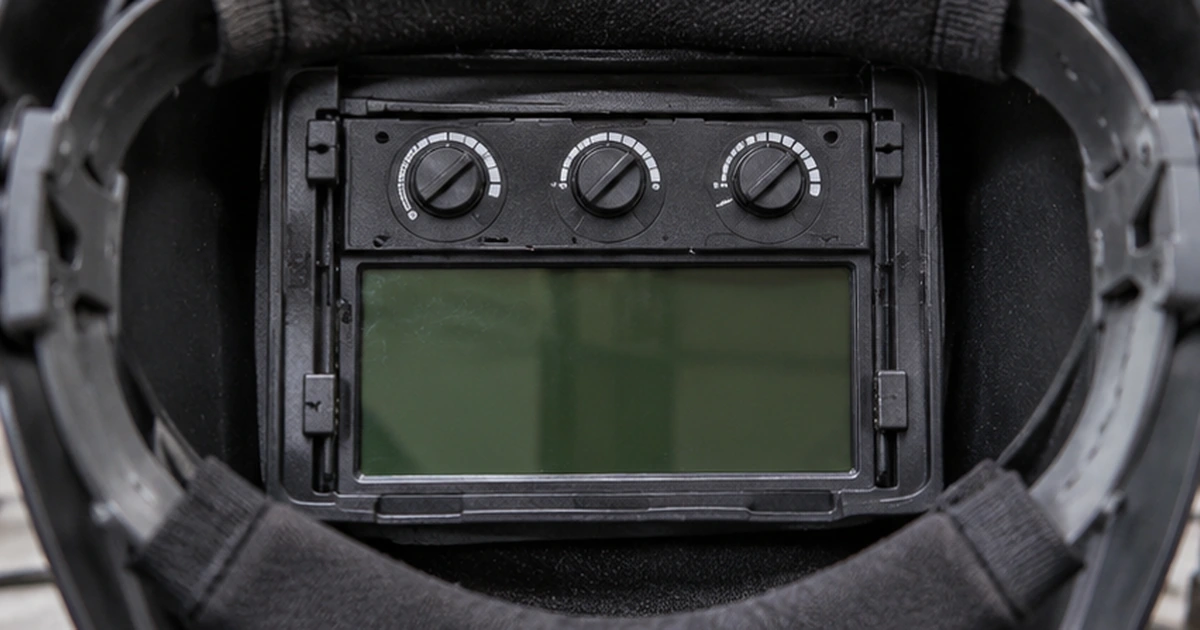
An auto-darkening filter (ADF) stays light while you position the torch, then darkens automatically the instant the arc strikes. Its main parts are:
- Arc sensors that detect the arc and trigger the filter
- A liquid crystal (LCD) shutter that darkens to the selected shade in a fraction of a millisecond
- A permanent UV/IR filter that protects the eyes at all times, whether the LCD is dark or light
- A power supply from batteries and solar cells
Because the UV/IR protection is permanent, a correctly certified helmet protects the eyes even if the LCD fails to darken. Helmets and filters should meet EN 379 and EN 175, or ANSI Z87.1 in the US.
Choosing the Shade
The right shade depends on the process and the current. As a rough guide, shades 9 to 13 cover most MMA, MIG/MAG and TIG work, with darker shades for higher currents. Sensitivity and delay settings matter too: low-current TIG needs high sensitivity so the filter does not flicker open.
The Rest of the PPE
- Flame-resistant clothing, never synthetic fabrics that melt onto the skin
- Leather welding gloves suited to the process: thinner for TIG, heavier for MMA and gouging
- Safety boots with metatarsal protection where heavy parts are handled
- Safety glasses under the helmet, especially when grinding
- Hearing protection during grinding, gouging and in noisy shipyards
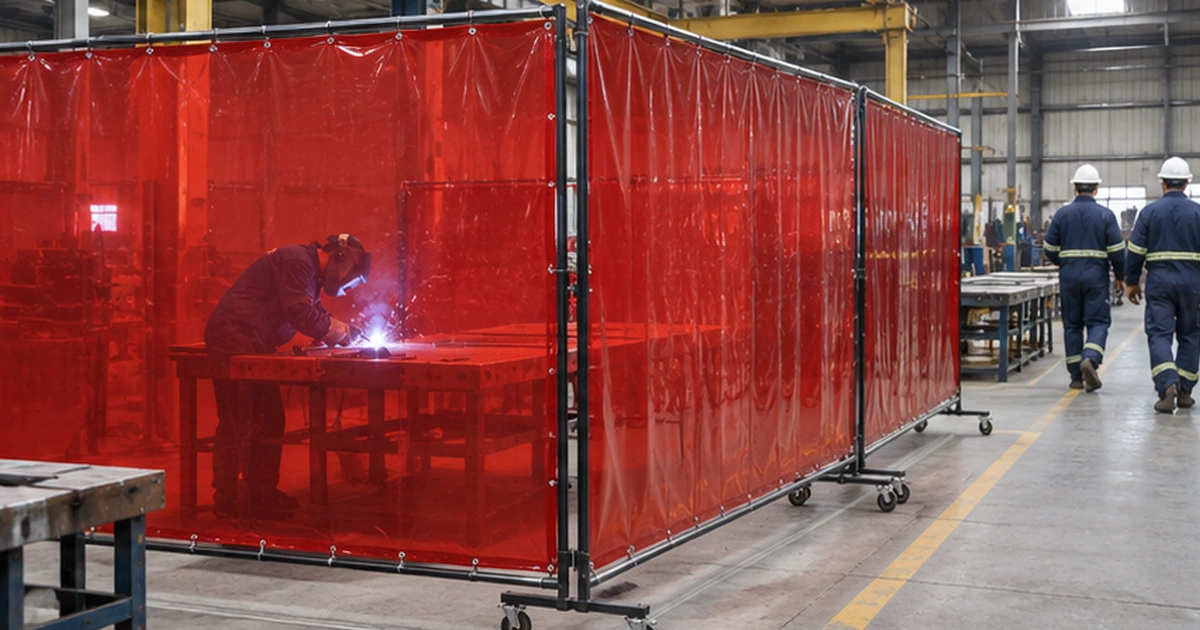
Welding screens protect other workers nearby, who are often the ones who suffer arc eye. The HSE page on health risks from welding covers eye and skin damage in more detail.
Care and Inspection
A helmet is only as good as its condition. Cover lenses get pitted by spatter and should be replaced when they reduce visibility. Cracked shells, worn headbands and weak batteries are checked before work. Gloves and clothing with burn holes or oil contamination should be replaced, because damaged PPE gives a false sense of safety.
From My Experience
A good auto-darkening helmet is one of the best investments a welder can make. Over a long day, being able to see the joint clearly before the arc strikes means better starts, fewer defects and less fatigue. I check the lens, batteries and sensors before every job, just as I check the machine.
Conclusion
The welding helmet protects against radiation you cannot feel until the damage is done. Combined with the right clothing, gloves and boots, it lets a welder work safely for a whole career. See also my article on welding safety on site.
If you found this article useful, feel free to share it with colleagues who work with welders and apprentices. — Zisis
Need Help on a Project?
For welding supervision and quality control on marine and industrial work, see Welding Supervision or request a quote.