

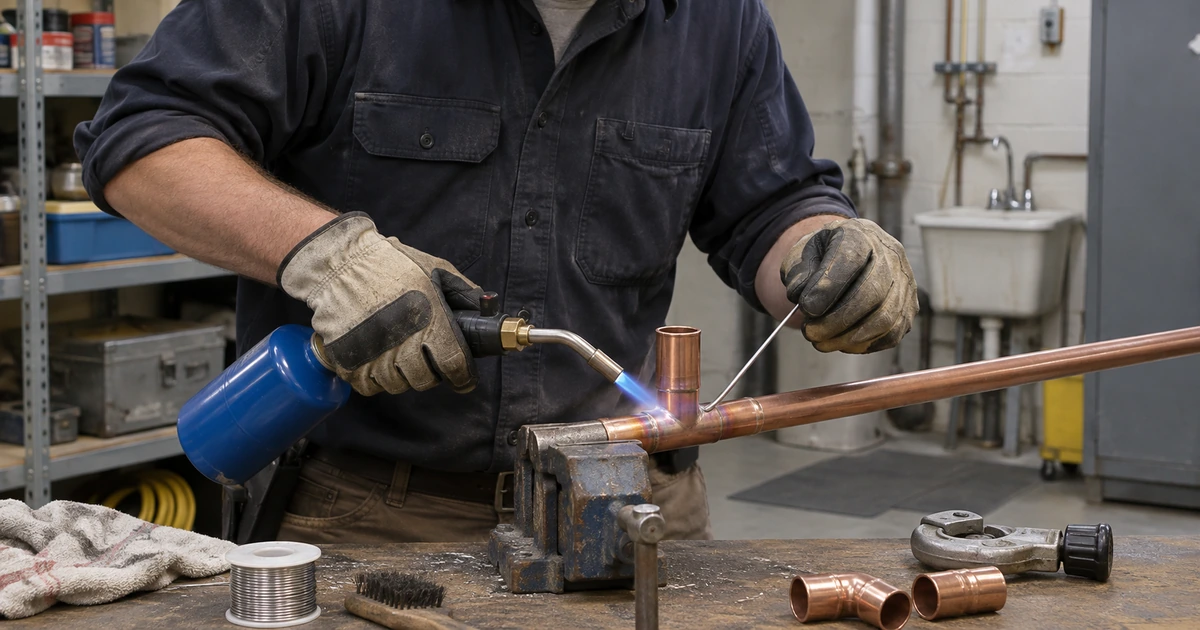
What Are Soldering and Brazing
In soldering and brazing, only the filler metal melts. The parent metals stay solid, and the liquid filler is drawn into the joint by capillary action. This is the main difference from welding, where the parent metal melts. Both processes are often used to join different metals to each other.
The dividing line is temperature: brazes melt above 450 °C, solders below 450 °C.
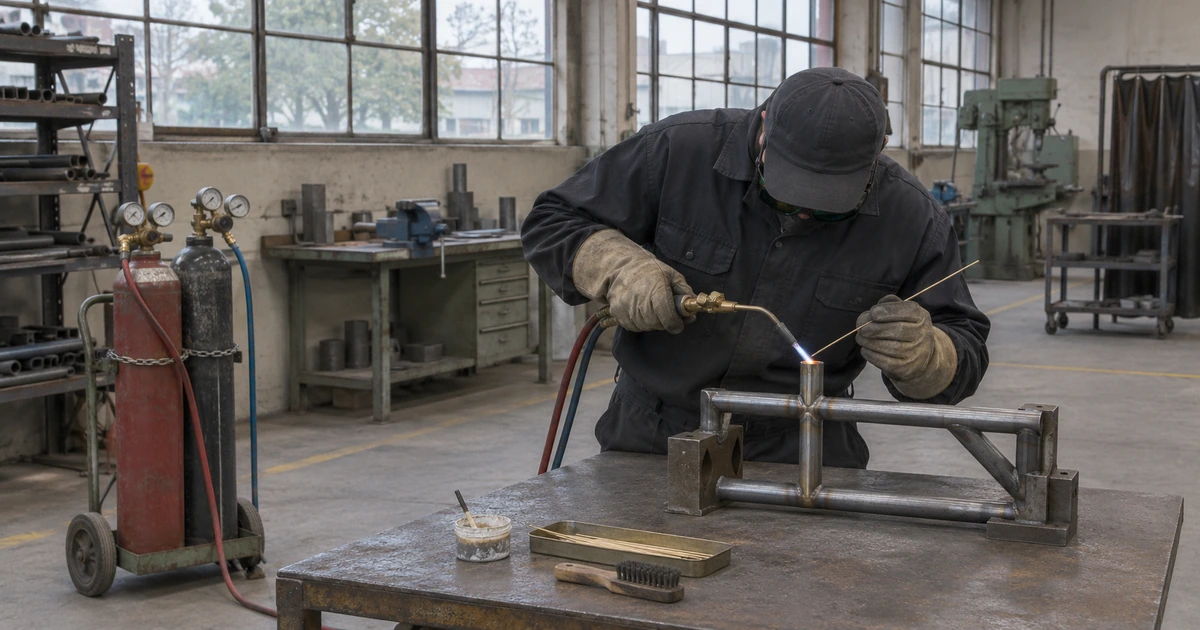
Soldering
Soldering uses a low-melting alloy, traditionally tin and lead, sometimes with a little antimony for strength. The more tin, the more fluid the solder and the lower its melting point. Heat comes from a soldering iron, a gas torch or an oxy-fuel flame.
Lead-bearing solders are no longer allowed on drinking water pipework in the EU and many other countries. Lead-free tin-copper or tin-silver solders are used instead.
Surface preparation and flux
The surfaces must be free of rust, oxide and dirt. They are cleaned mechanically with a wire brush, file or abrasive, then a flux is applied to remove remaining oxide and help wetting:
- Hydrochloric acid based fluxes, for galvanised surfaces
- Zinc chloride, for most general work
- Rosin, for electrical work and where corrosion is a concern
The soldering iron
A simple soldering iron has a copper head, because copper stores and conducts heat well, and a handle of wood or plastic. Traditional irons are heated in a flame to about 500–600 °C. Electric irons have largely replaced them.
Brazing
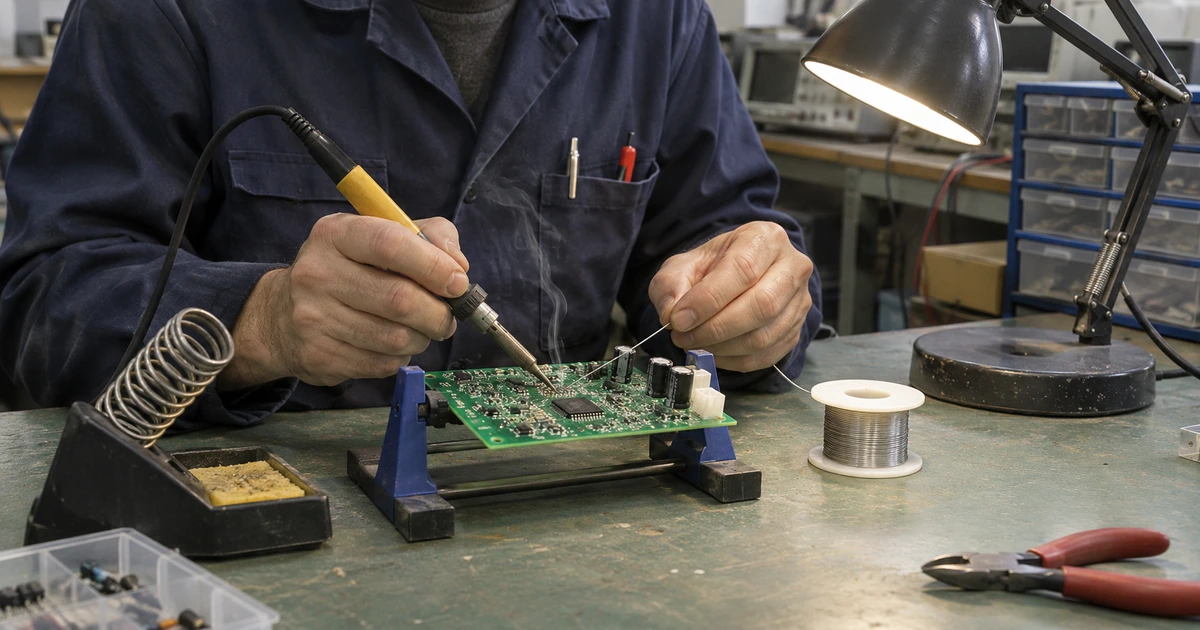
Brazing uses fillers that melt above 450 °C, such as brass and silver alloys, usually heated with an oxy-fuel torch. Brazed joints are stronger than soldered ones and are used on copper pipework for refrigeration and gas, on tools and on joints between dissimilar metals.
Brazing Compared with Welding
Welding usually gives the strongest joint, followed by brazing, with soldering lower. Brazing has its own advantages: lower heat, less distortion, the ability to join dissimilar metals and thin sections, and neat joints that often need no finishing. That is why it is common on copper pipework, heat exchangers and tool tips.
Joint Design
Brazed and soldered joints rely on capillary action, so they are designed as lap or socket joints with a small, even clearance between the parts. A gap that is too wide or uneven stops the filler from flowing through the joint.
Health and Safety
Fume from rosin-based solder fluxes is regarded as one of the most significant causes of occupational asthma, so extraction is needed at the work point. Some older silver brazing alloys contained cadmium, which is highly toxic; cadmium-free alloys are the normal choice today.
Brazing in Marine Systems
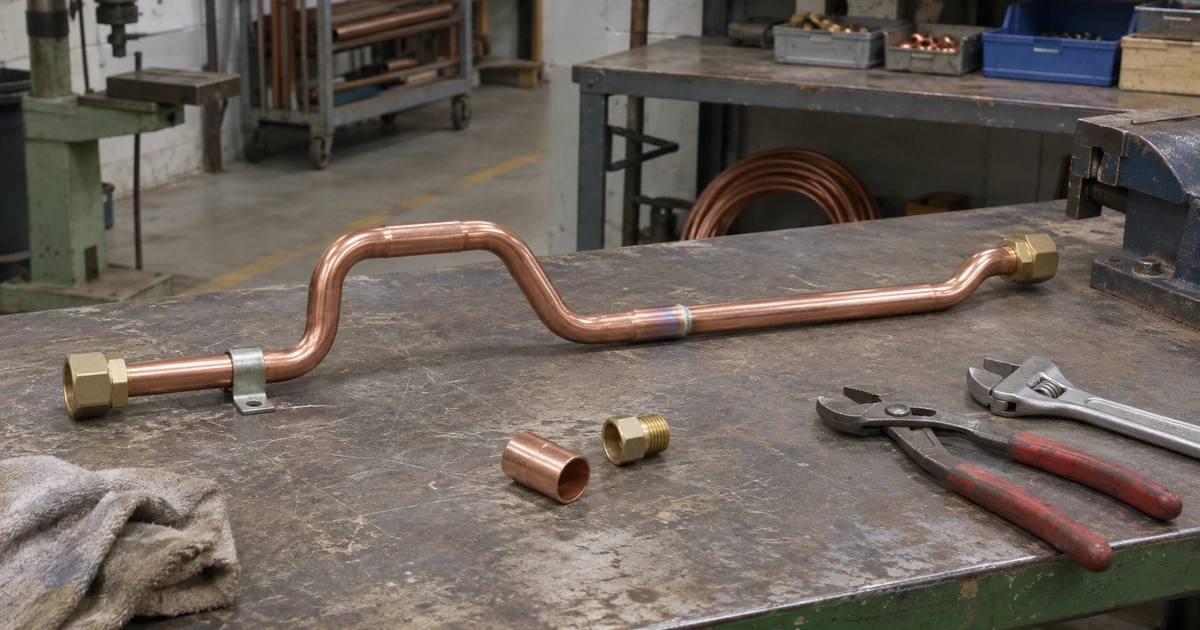
On ships, brazing is common on copper and copper-nickel pipework for refrigeration, instrument lines and some seawater systems. Larger copper-nickel pipe is usually TIG welded instead. As with welding, the work should follow an approved procedure and be done by a qualified operator.
Conclusion
Soldering and brazing join metals without melting them, separated by the 450 °C line. In both, clean surfaces and the right flux decide the result, just as poor preparation causes welding defects in fusion welding.
Need Help on a Project?
For specialized welding on demanding materials on marine and industrial work, see Specialized Welding or request a quote.