

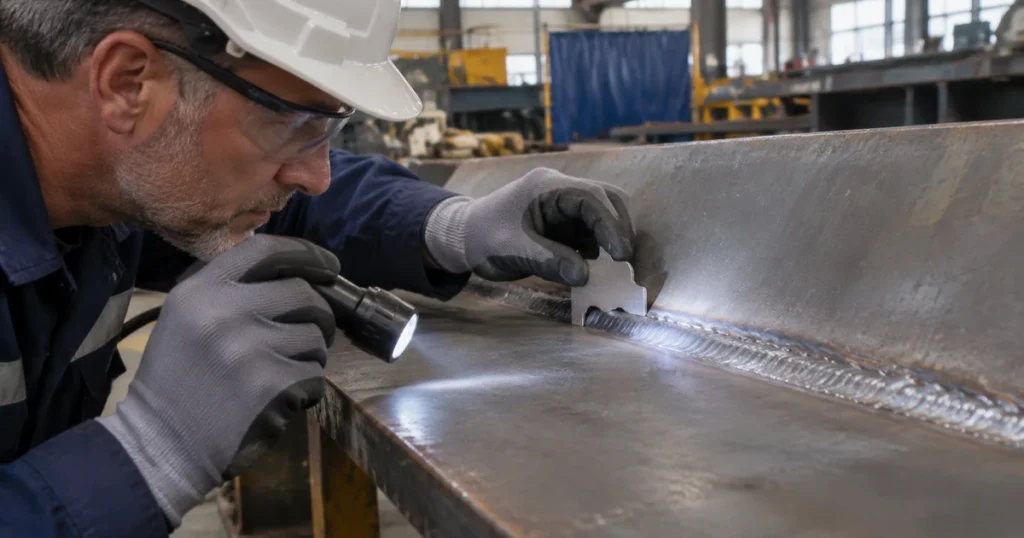
Imperfections and Welding Defects
Every weld has small imperfections. They become welding defects only when they exceed the acceptance limits of the standard or project specification, for example ISO 5817 quality levels. Knowing the causes is the best way to prevent repairs.
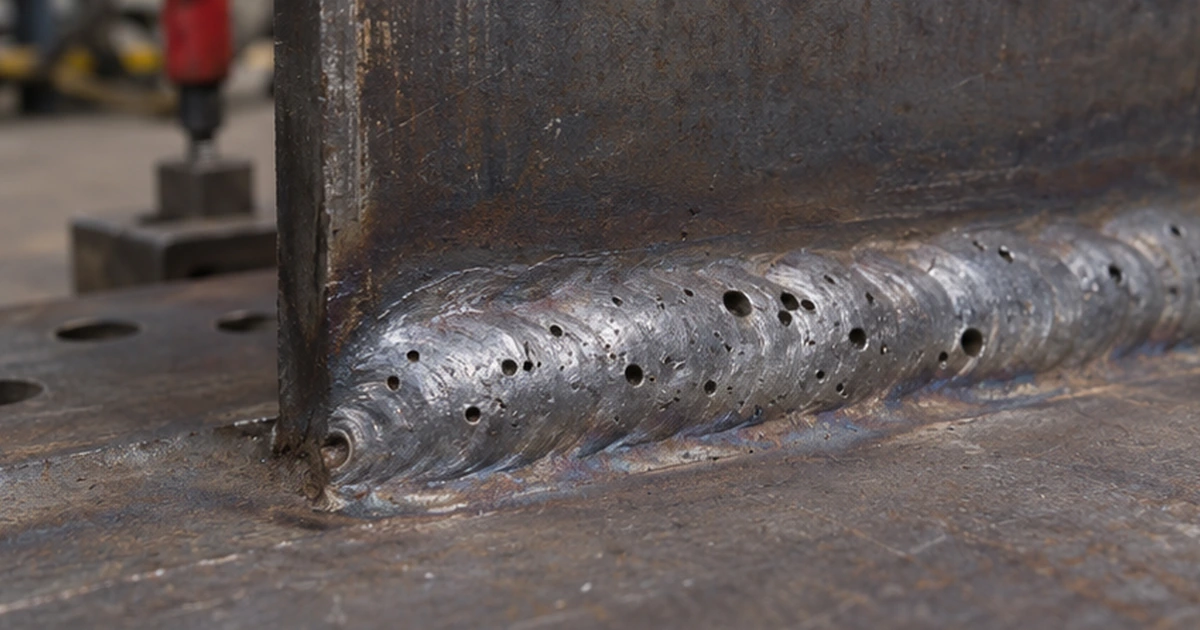
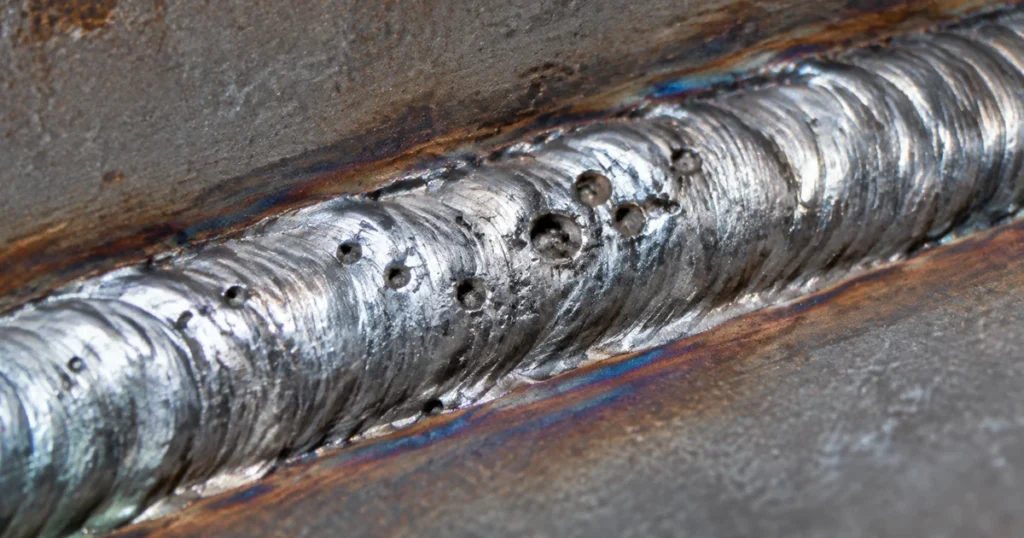
Porosity
Gas pores trapped in the weld metal. Causes: moisture, oil, rust or paint on the joint, damp consumables, poor gas shielding, hose leaks or wind. Prevention: clean, dry material and consumables and correct gas flow. TWI has a full guide to porosity in welds.
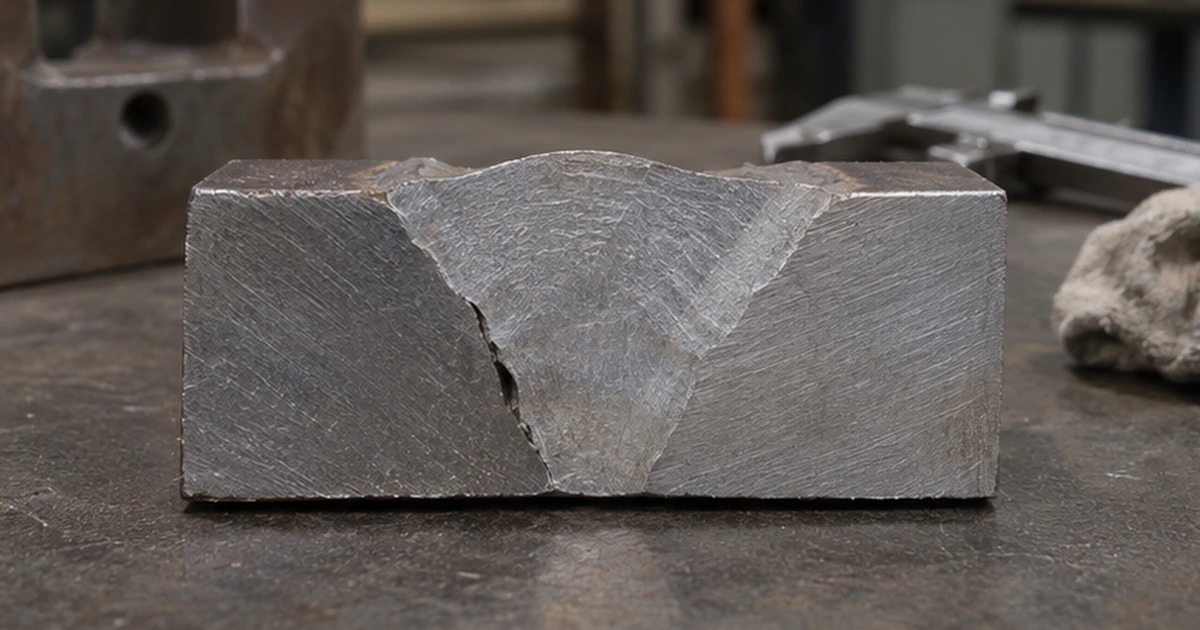
Lack of Fusion
Weld metal that has not fused with the side wall or the previous pass. Causes: low heat input, high travel speed, wrong torch or electrode angle, poor preparation. It is serious because it acts like a crack inside the joint.
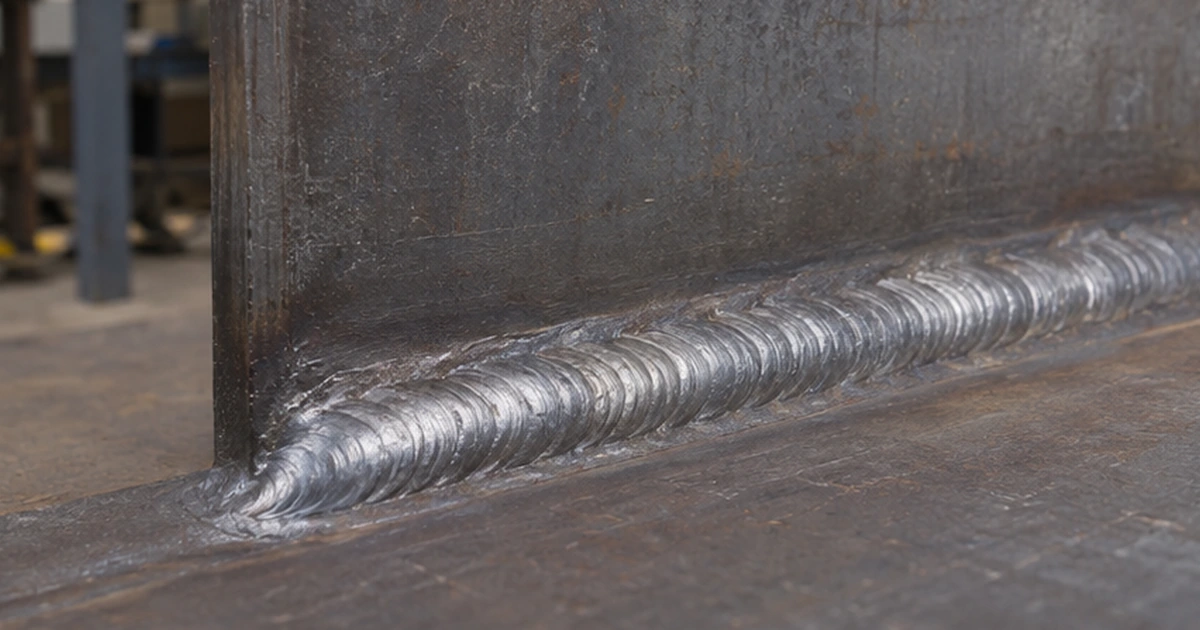
Incomplete Penetration
The weld does not reach through the root. Causes: tight root gap, thick root face, low current or poor fit-up. Prevention starts with correct joint preparation.
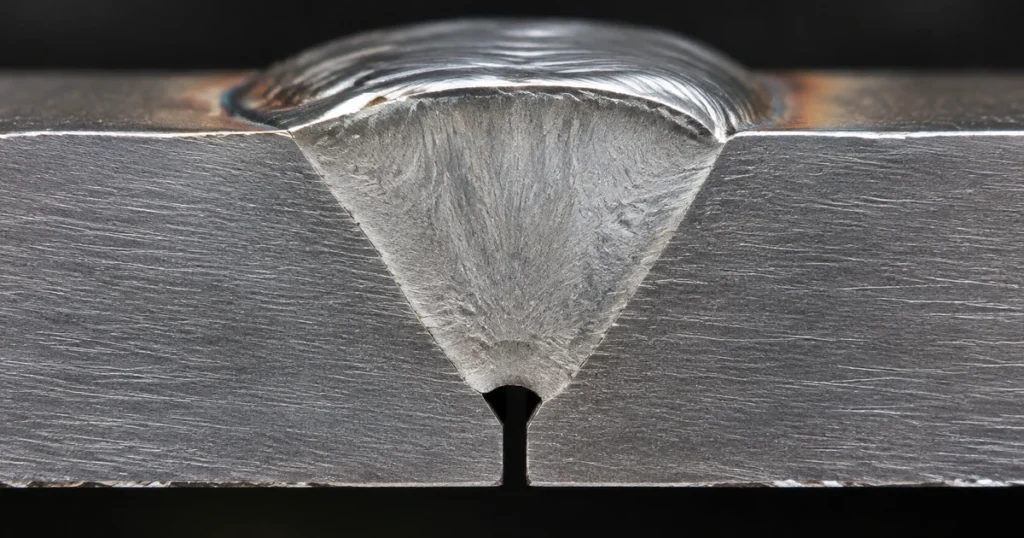
Cracks
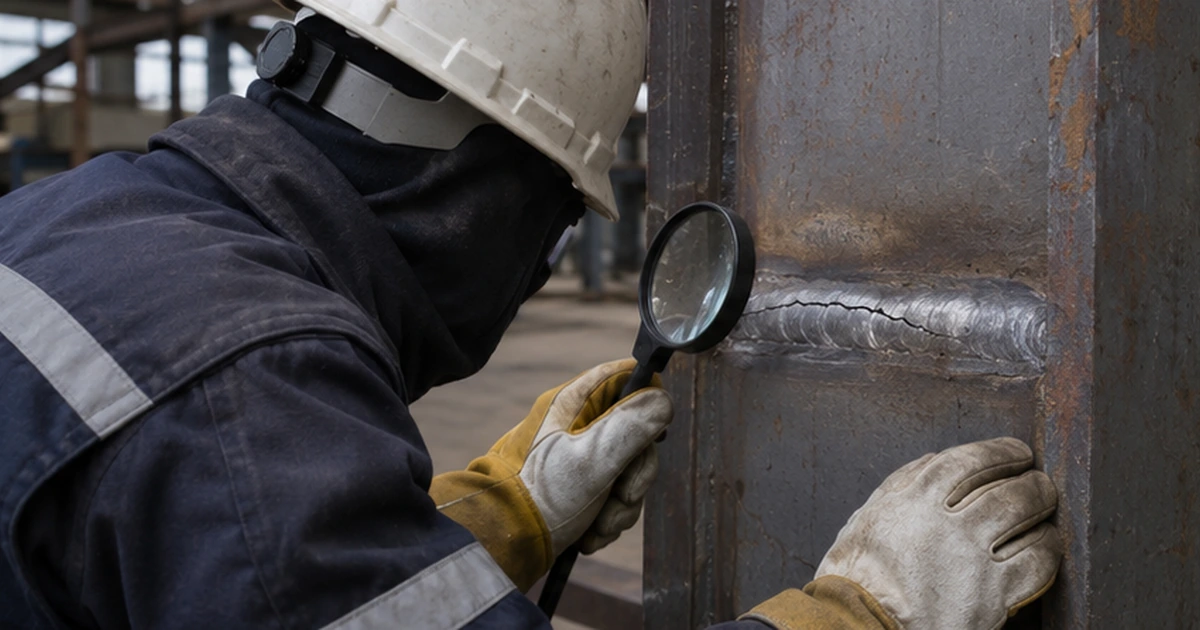
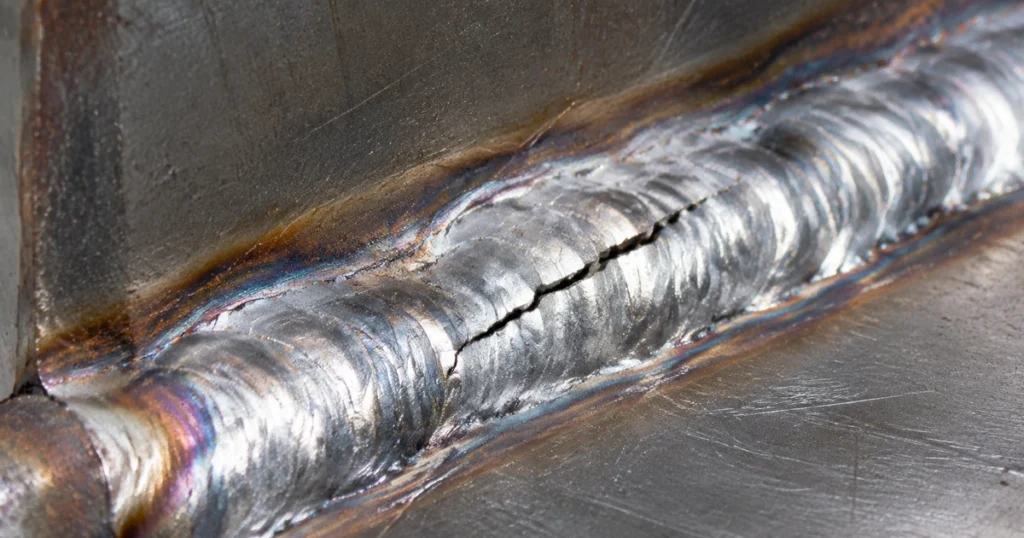
The most serious defect. Hydrogen cracks come from moisture and hard microstructures and are prevented with dry low-hydrogen consumables and preheat. Solidification cracks come from joint shape, composition and high restraint. Cracks are normally not accepted.
Undercut and Slag Inclusions
Undercut is a groove melted into the parent metal at the weld toe, caused by high current or wrong angle. Slag inclusions are slag trapped between passes, caused by poor cleaning between runs.
Distortion
Distortion is not a defect inside the weld, but it often causes rejection. It comes from uneven heating and contraction. It is controlled by balanced welding sequences, back-step welding, tack welds at the right spacing, clamping or strongbacks, and keeping heat input no higher than needed.
On long seams in ship structures and pipe spools, planning the welding sequence before the first pass saves far more time than straightening afterwards.
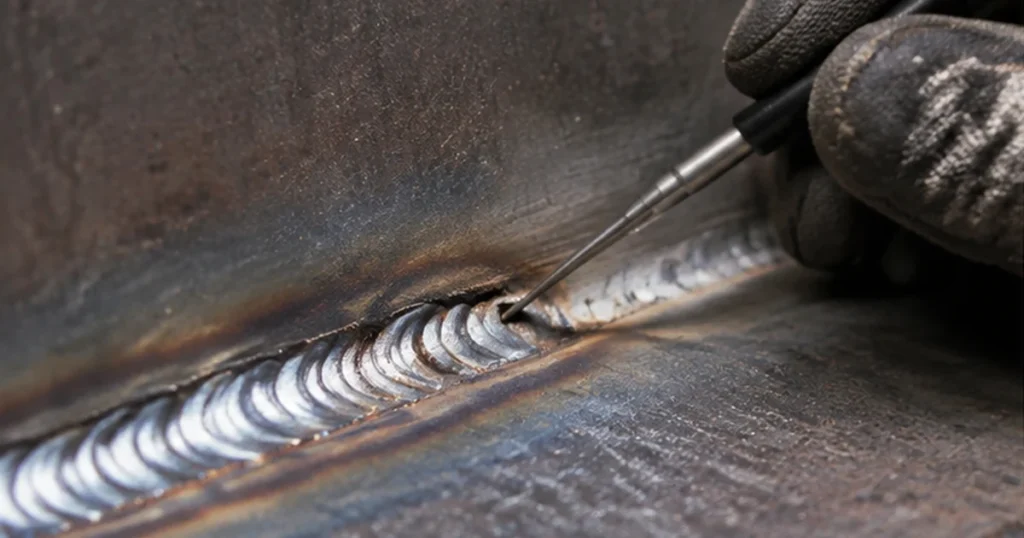
How Defects Are Found
Visual inspection finds surface defects. Penetrant and magnetic particle testing find surface cracks, while ultrasonic and radiographic testing find internal defects. On my ship rudder crack repair, the rebuilt section was checked by visual, ultrasonic and penetrant testing.
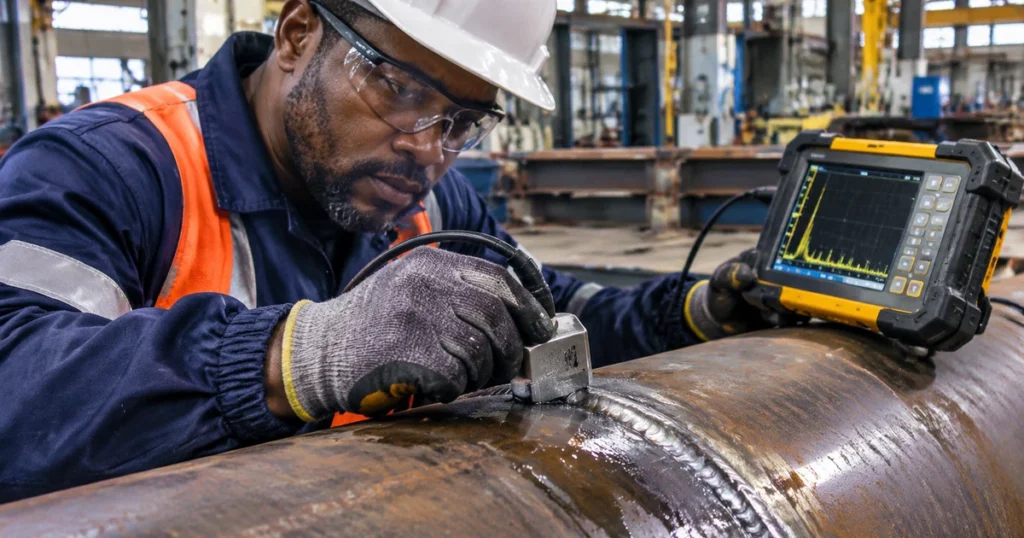
Repairing a Defect
- Mark the defect from the inspection report
- Remove it fully by grinding or gouging
- Confirm removal with penetrant or magnetic particle testing
- Re-weld to an approved repair procedure
- Re-inspect with the original method
Repeated repairs on the same spot can damage the parent metal, so many codes limit the number of repairs allowed without engineering approval.
Prevention Checklist
- Correct joint preparation and fit-up
- Clean, dry surfaces and consumables
- Parameters within the WPS
- Correct preheat and interpass temperature
- Full slag removal between passes
- Qualified welder for the process and position
From My Experience
In my experience, most defects trace back to preparation rather than to the welder’s hand: a poor fit-up, a damp electrode, or a joint welded in a draught. On repair work such as the rudder in Tuzla, where every pass builds on the last, careful cleaning between runs is what keeps the final inspection clean.
Conclusion
Most welding defects are prevented by good preparation, dry consumables, correct parameters and a qualified welder working to an approved WPS.
If you found this article useful, feel free to share it with colleagues who work with weld inspection. — Zisis
Need Help on a Project?
For welding supervision and quality control on marine and industrial work, see Welding Supervision or request a quote.