

Natural Gas: What Is Inside the Pipe
Natural gas is mainly methane, typically 85% or more, with smaller amounts of ethane, propane, nitrogen and carbon dioxide. It is lighter than air, with a relative density of about 0.55–0.6, so a leak rises and disperses, unlike LPG, which sinks and collects low. It is odourless; an odorant is added in distribution networks so leaks can be smelled. It burns only between about 5% and 15% in air, but within that range a spark is enough.
Why Weld on Live Gas Pipelines?
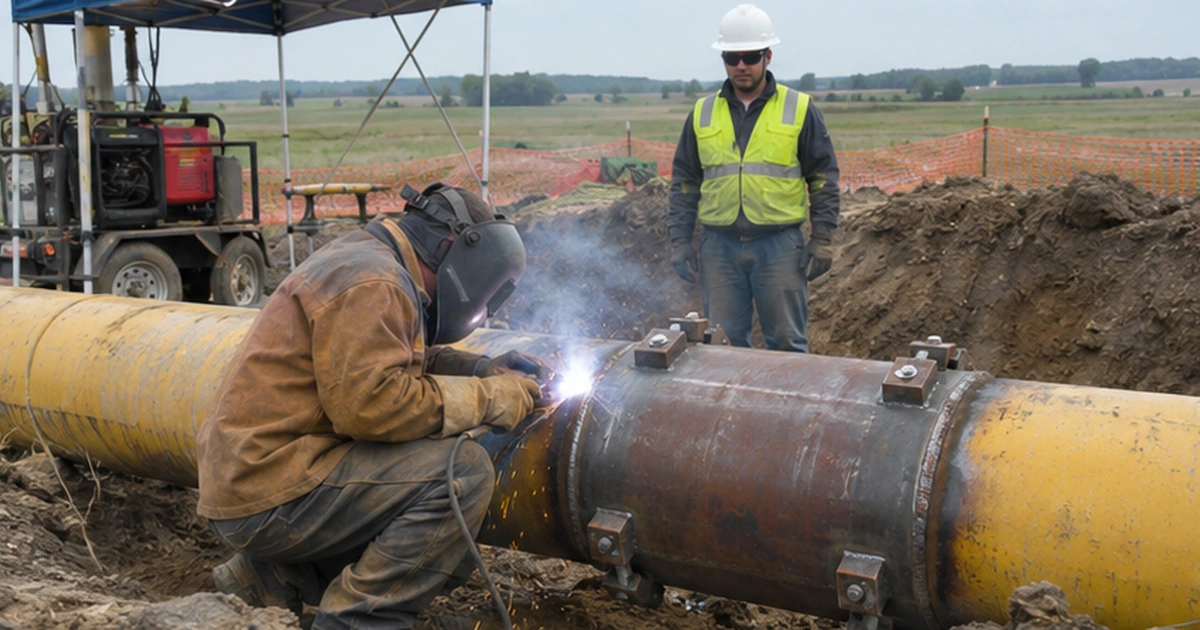
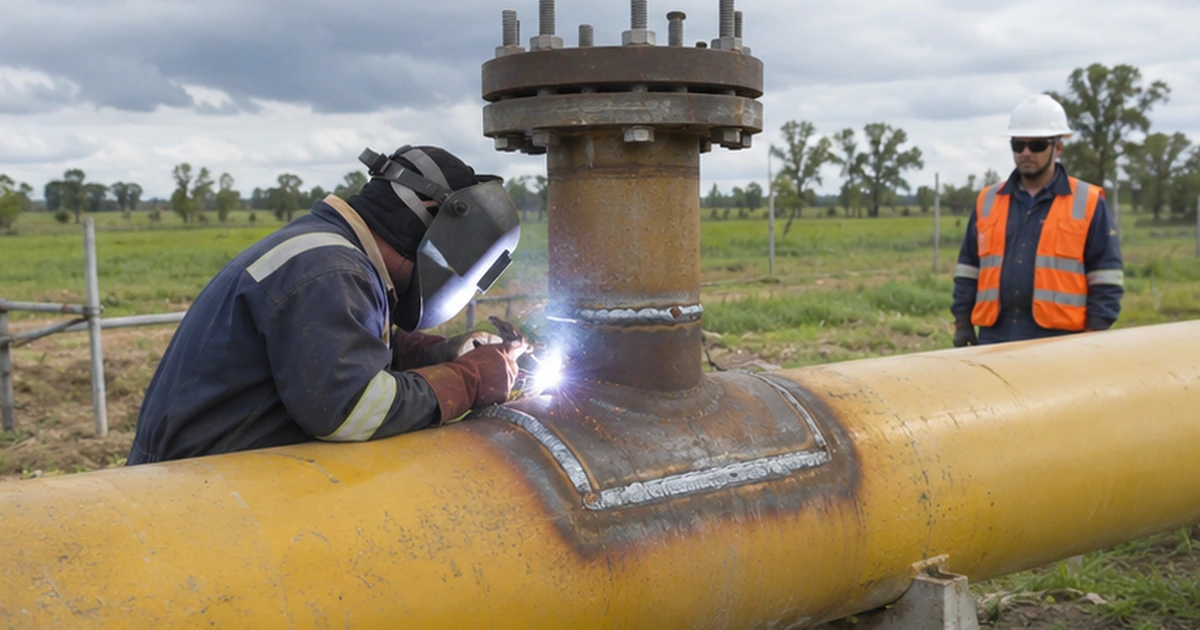
Shutting down a transmission line or a city network is costly and sometimes impossible. Welding on live gas pipelines, also called in-service welding, allows repairs, reinforcements and new connections while the gas keeps flowing. Typical tasks are welding full-encirclement repair sleeves, attaching branch fittings, and hot tapping, where a new connection is cut into the pipe under pressure.
The Two Main Risks
- Burn-through: if the arc melts through the pipe wall, gas escapes at the weld. The risk rises with thin wall, high heat input and low internal pressure.
- Hydrogen cracking: flowing gas cools the pipe wall fast. Rapid cooling gives a hard heat-affected zone that can crack, especially if hydrogen is present.
These two risks pull in opposite directions. Lower heat input reduces burn-through risk but increases cooling rate and hardness. In-service procedures balance them by controlling heat input, using low-hydrogen electrodes and, where needed, using temper bead sequences.
Procedures and Qualification
Work on live gas pipelines is carried out under qualified procedures developed for in-service conditions, typically following standards such as API 1104 Annex B or EN 12732 and operator requirements. The procedure defines the minimum wall thickness, the gas flow and pressure range, electrode type and size, heat input and the weld sequence. Welders are qualified on the procedure, often on test rigs with flowing water or gas to simulate the cooling effect.
Safety Controls on Site
- Work permit and method statement agreed with the pipeline operator
- Wall thickness measured by ultrasonic testing at the weld location
- Gas pressure reduced to the range set in the procedure where required
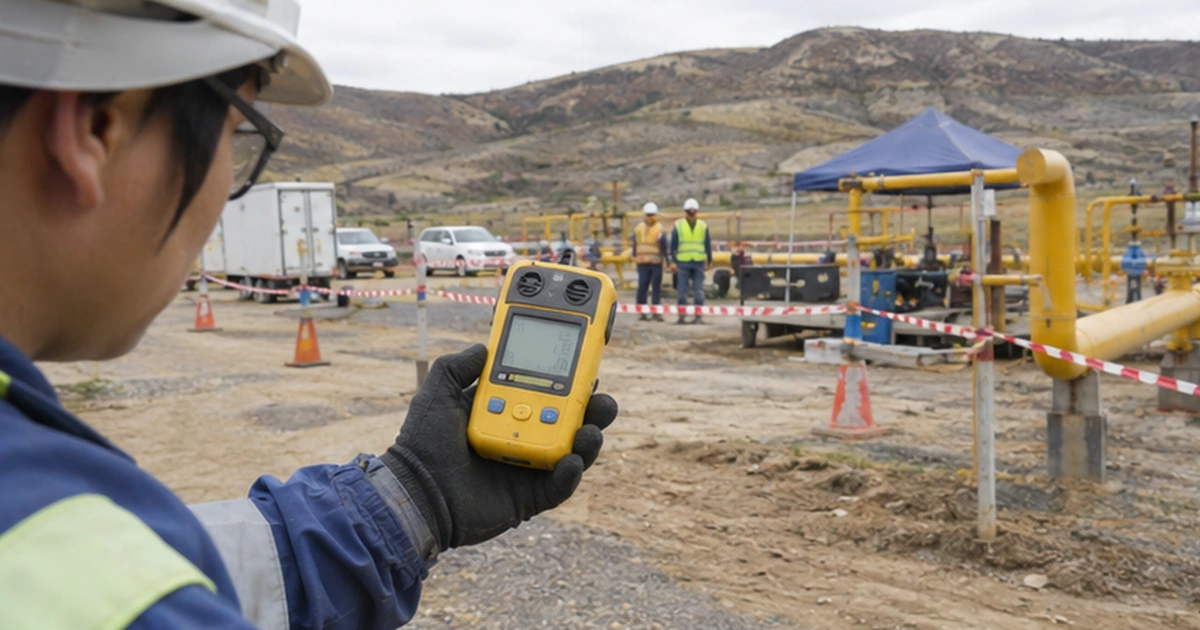
- Continuous gas detection and fire protection at the excavation
- Clear escape routes and only essential people in the work area
- Inspection of completed welds, often by magnetic particle and ultrasonic testing after a delay for hydrogen cracking
From My Experience
On hot tapping work, the planning, measurements and coordination with the operator take far longer than the welding itself, and they should. I keep the electrode small and the travel steady, and I never accept a wall thickness reading I did not see taken at the actual weld location.
Conclusion
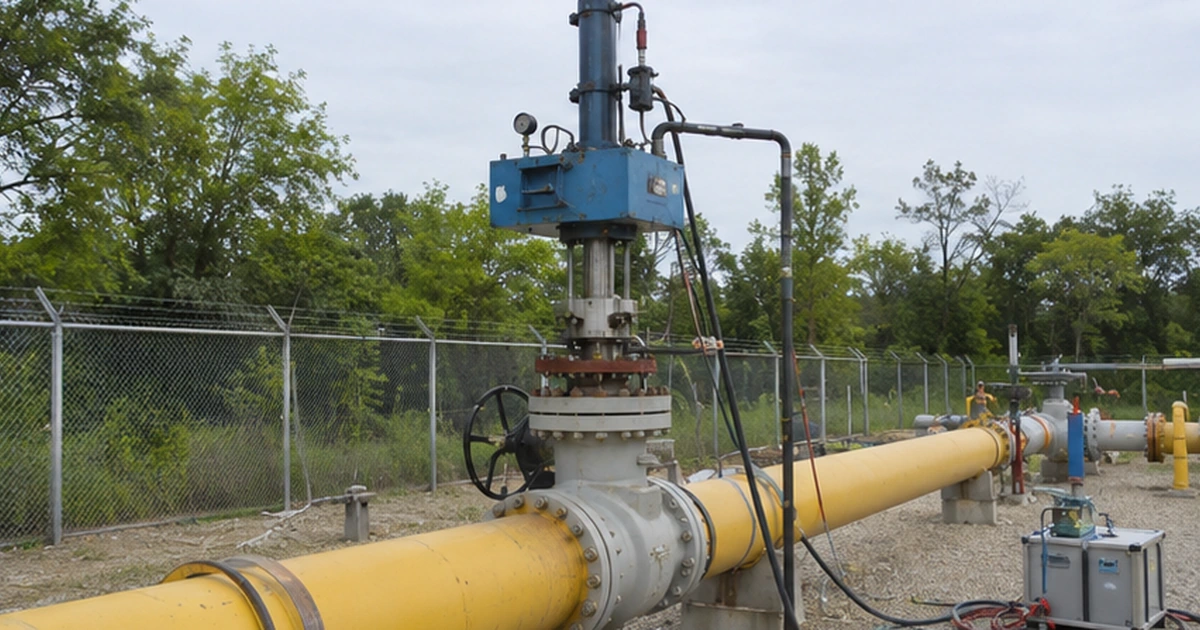
Welding on live gas pipelines is routine for experienced crews but never casual: it depends on a qualified procedure, accurate measurements and strict site control. See the hot tapping under pressure project and the article on hot work on tanks and containers.
If you found this article useful, feel free to share it with colleagues who work with gas networks. — Zisis
Need Help on a Project?
For specialized welding on demanding materials on marine and industrial work, see Specialized Welding or request a quote.