

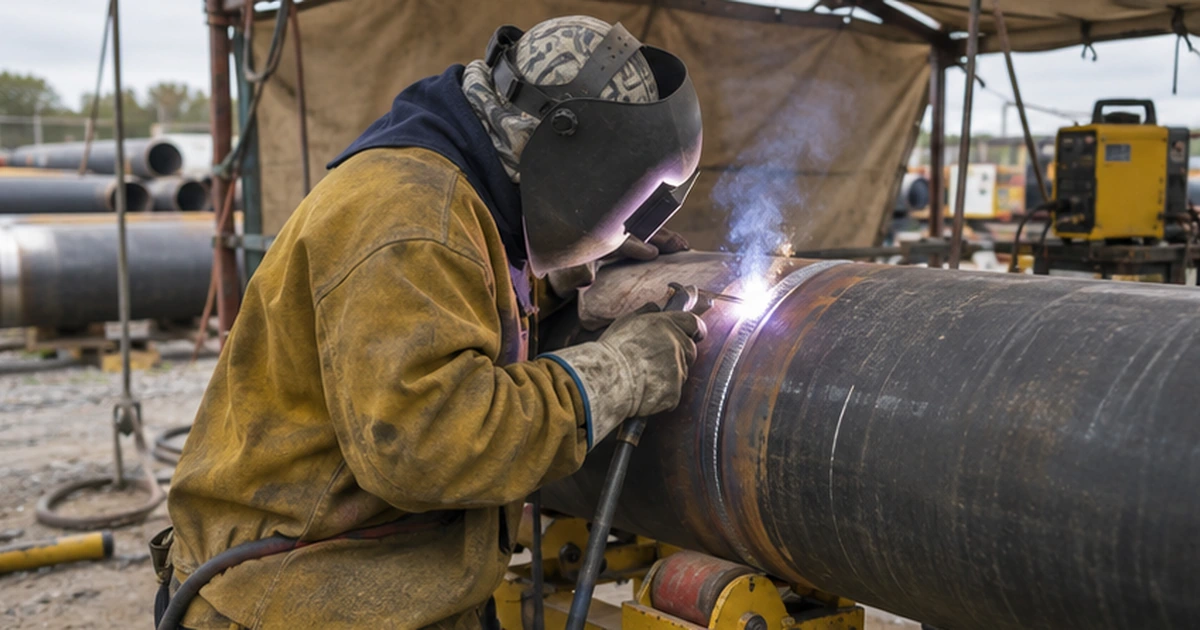
What Sour Service Means
Oil and gas are called sour when they contain hydrogen sulphide (H2S). H2S is toxic to people even in small concentrations, and in the presence of water it attacks steel. Pipelines, vessels and piping that carry such fluids are said to be in sour service, and they must be built from materials and welds that resist the specific types of cracking H2S causes.
How H2S Damages Steel
- Sulphide stress cracking (SSC): hydrogen produced by the corrosion reaction enters the steel and, combined with tensile stress, cracks hard microstructures; it can happen quickly and without warning
- Hydrogen-induced cracking (HIC): hydrogen collects at inclusions in the plate and forms internal blisters and stepwise cracks, even without applied stress
- Stress-oriented HIC: a combination of both, often near welds
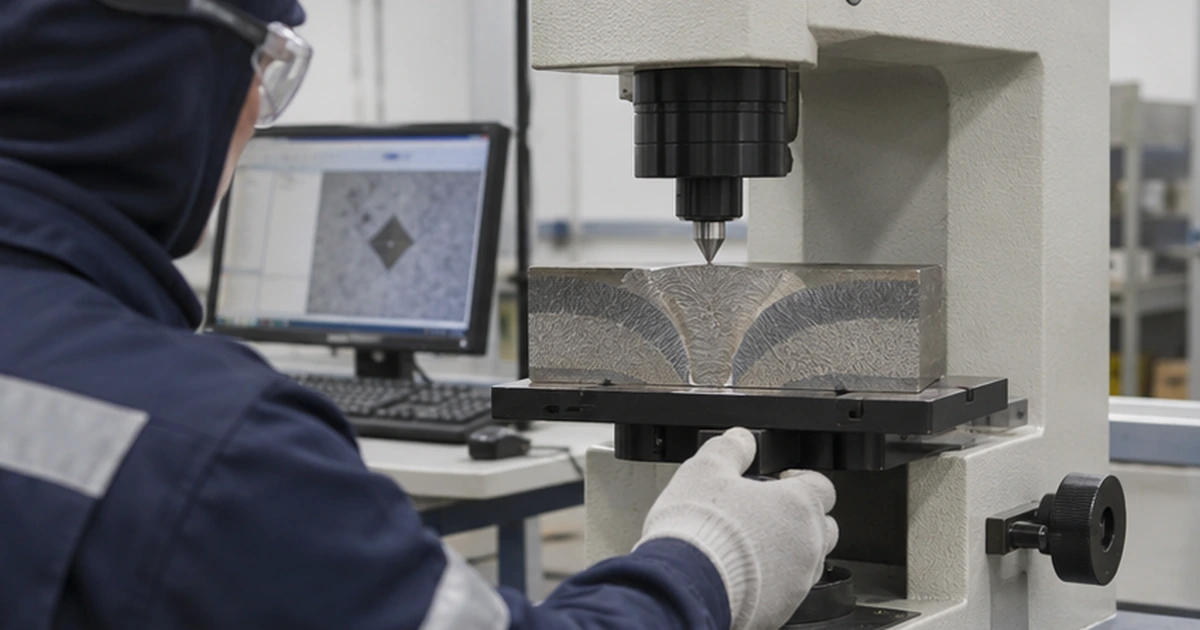
The most sensitive areas are those with high hardness, such as weld metal and heat-affected zones that cooled too fast.
A Lesson from Offshore
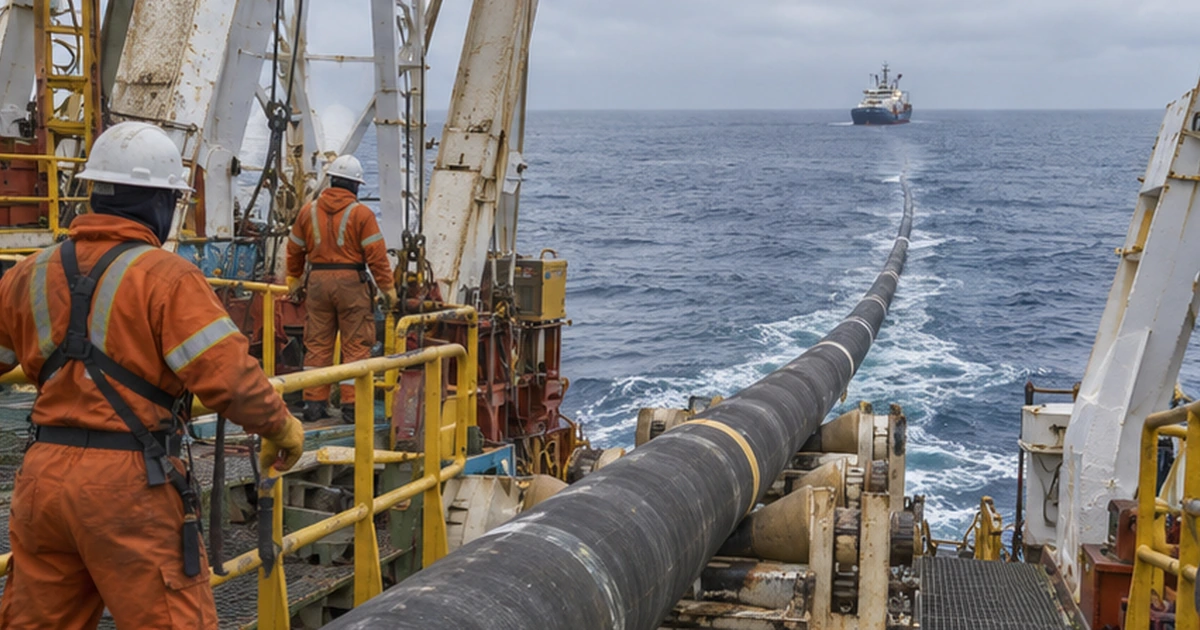
One of the best-known examples came from a large offshore field in the Caspian Sea, where gas with a high H2S content, above 15%, was carried through subsea and onshore pipelines about 95 km long. Soon after start-up, leaks were found, and investigations pointed to sulphide stress cracking. Both pipelines had to be replaced, a costly project that took several years. It showed how unforgiving sour service can be when materials and welds are not right.
Standards for Sour Service
The key standard is NACE MR0175 / ISO 15156, which defines the environments, materials and requirements for sour service. For carbon steel, a central requirement is a maximum hardness, typically 250 HV10 in the weld and heat-affected zone, and often 22 HRC as a general limit. Plate and pipe for sour service are also tested for HIC resistance, and line pipe is supplied to special sour grades under API 5L or ISO 3183.
Welding for Sour Service
- Qualified procedures that include hardness surveys across the weld, heat-affected zone and base metal
- Controlled heat input and preheat to avoid hard, fast-cooled microstructures
- Low-hydrogen processes and consumables, with restrictions on certain alloying elements such as nickel
- Post-weld heat treatment where required to reduce hardness and residual stress
- Strict control of repairs, which must also be qualified and hardness tested
From My Experience
On sour service work, the procedure is not a suggestion. Heat input, preheat and interpass are measured and recorded, and hardness results decide whether a weld stays. A weld that looks perfect can still fail if it is too hard.
Conclusion
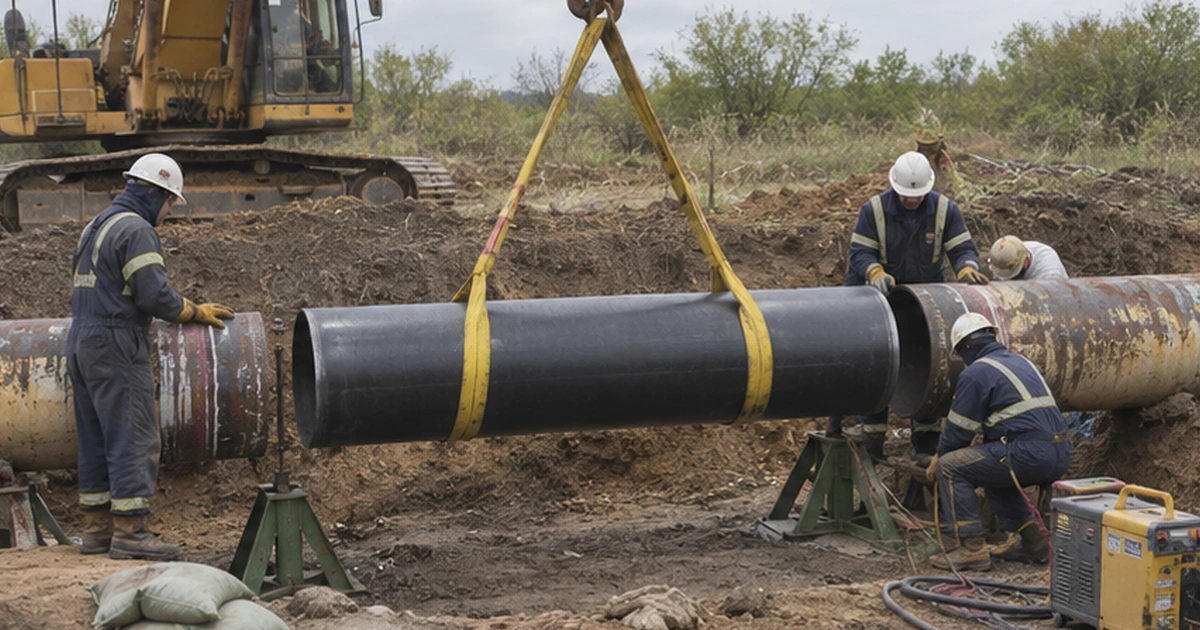
Sour service pipelines demand steel and welds with controlled hardness and proven resistance to H2S cracking. For in-service work, see welding on live gas pipelines, and for pipe manufacture, see how welded pipe is made.
If you found this article useful, feel free to share it with colleagues who work with oil and gas work. — Zisis
Need Help on a Project?
For specialized welding on demanding materials on marine and industrial work, see Specialized Welding or request a quote.