


Copper and Germs: An Old Observation
People have used copper to keep water and wounds clean for thousands of years. Modern research has confirmed what was once tradition: many bacteria, fungi and viruses die on clean copper surfaces, often within hours, while they can survive for days on stainless steel or plastic. This property is known as contact killing, and materials that show it are called antimicrobial copper.
How Antimicrobial Copper Works
When microbes land on copper, copper ions are released from the surface. The ions damage the cell membrane, interfere with proteins and enzymes, and break down genetic material. Because the attack works on several targets at once, it is difficult for bacteria to develop resistance. Moisture from touch helps the process, and the surface keeps working as long as it stays uncoated.
How Long Germs Survive on Copper
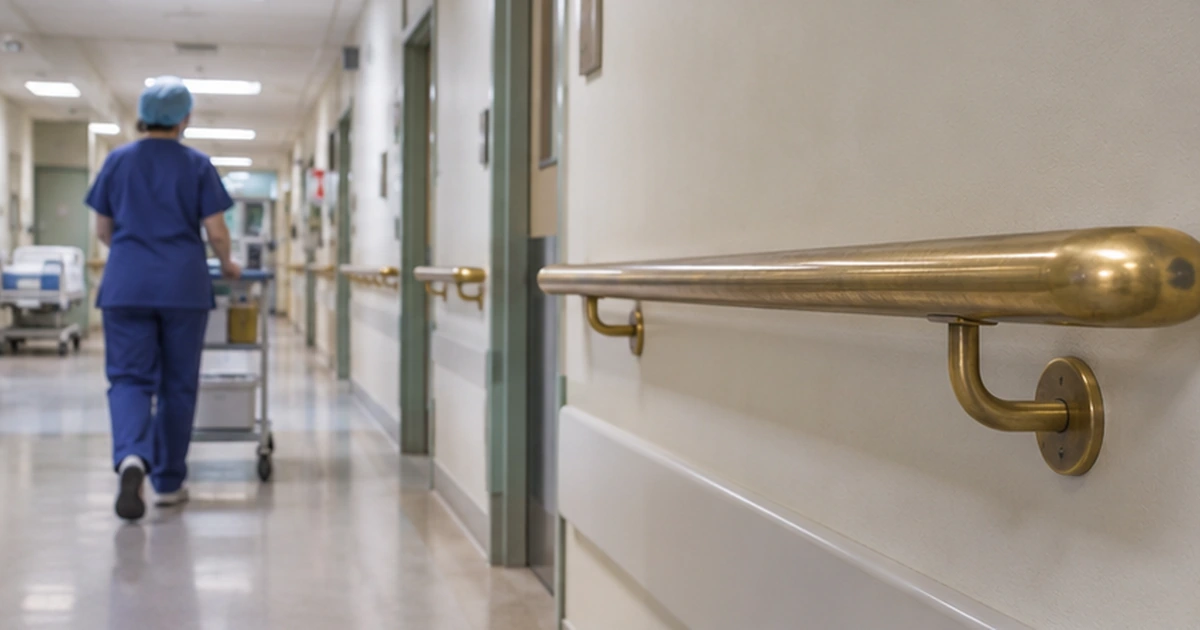
Survival times depend on the organism, temperature, humidity and how much is deposited. In a widely cited 2020 study of the virus that causes COVID-19, no viable virus was detected on copper after about 4 hours, compared with up to 2 to 3 days on plastic and stainless steel. Bacteria such as MRSA and E. coli have also been shown to die much faster on copper and copper alloys than on stainless steel in laboratory tests.
Copper surfaces are not instant disinfectants. They complement cleaning and hand hygiene; they do not replace them.
Which Alloys Qualify
- Pure copper: the strongest effect
- Brass (copper-zinc) and bronze (copper-tin): effective, provided the copper content is high enough, typically above about 60%
- Copper-nickel: also antimicrobial, which is one reason it resists marine growth in seawater piping
- Coatings: lacquers and clear coats block the effect, so surfaces must be left bare
Where Copper Surfaces Help
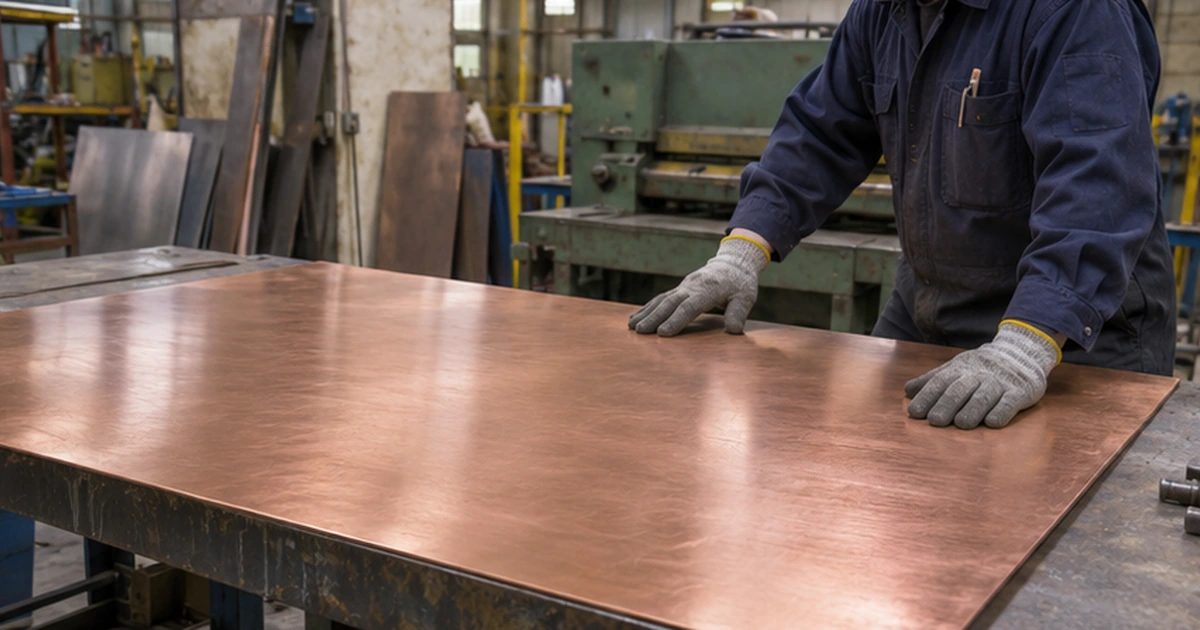
Copper alloys are used for frequently touched surfaces in hospitals, schools, public transport and food processing: door handles, push plates, handrails, bed rails, taps and light switches. Studies in hospitals have reported lower bacterial loads on copper surfaces, and some have reported fewer infections, although results vary between studies.
Working with Copper Alloys
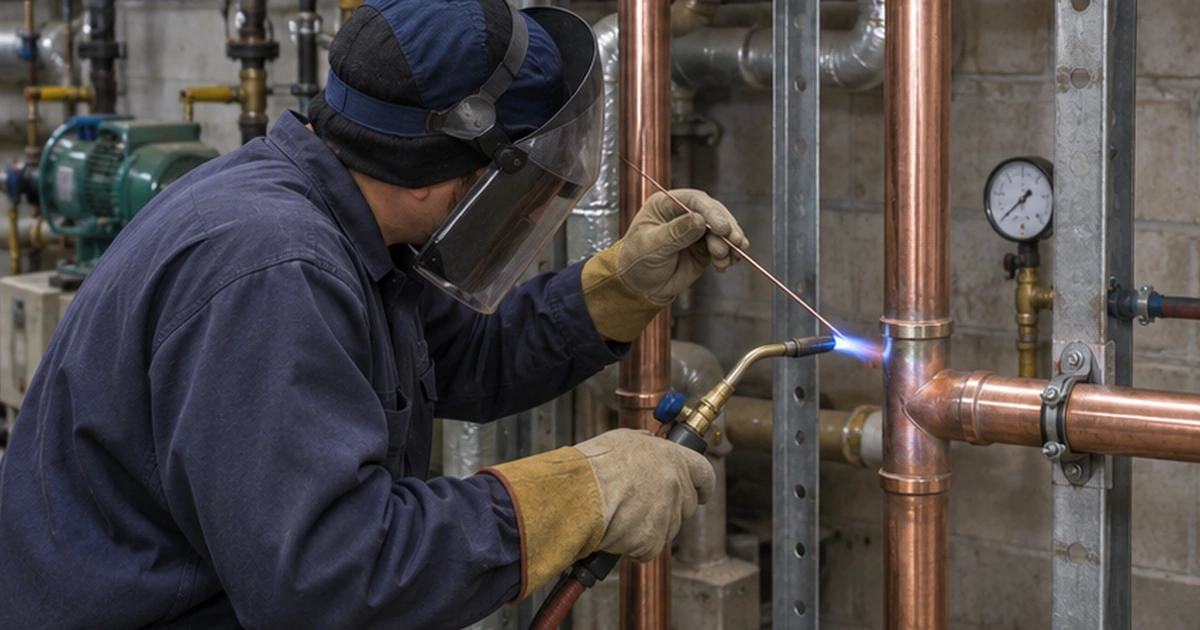
For fabricators, copper and brass are joined mainly by brazing and soldering, and by TIG or MIG welding for thicker sections. Copper conducts heat quickly, so preheating is often needed on heavy parts. Brass releases zinc fume when heated, which requires good extraction. Finished surfaces should be cleaned of flux and left uncoated if their antimicrobial property is wanted.
Conclusion
Antimicrobial copper surfaces kill many bacteria and viruses by contact, helping to reduce germs on frequently touched surfaces. For copper alloys at sea, see copper-nickel welding, and for joining copper, see soldering and brazing.
If you found this article useful, feel free to share it with colleagues who work with hygiene and building services. — Zisis
Need Help on a Project?
For specialized welding on demanding materials on marine and industrial work, see Specialized Welding or request a quote.