

Why Ships Carry Ballast Water
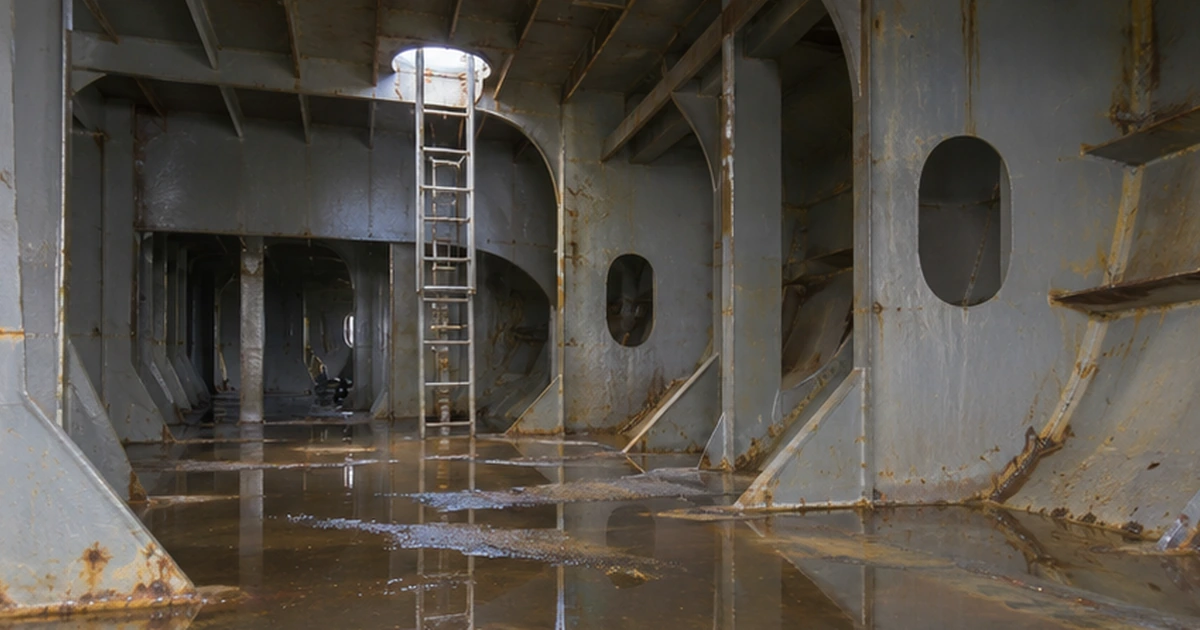
Ballast is weight added to a ship to keep it stable, upright and properly trimmed. When a cargo ship unloads, it rises in the water. Without ballast it would ride too high, roll heavily, expose its propeller and rudder, and be hard to steer. Before steel hulls and pumps, ships used stones and sand. Today they pump seawater into dedicated tanks and pump it out again as cargo is loaded.
How Ballast Tanks Are Arranged
Ballast tanks are located where they give the best effect on stability and trim: double bottom tanks, side and wing tanks, topside tanks, and fore and aft peak tanks. On tankers and bulk carriers they form much of the double hull. A network of ballast piping, valves and pumps in the engine room fills and empties each tank, controlled from the engine control room or bridge.
Ballast Water Treatment
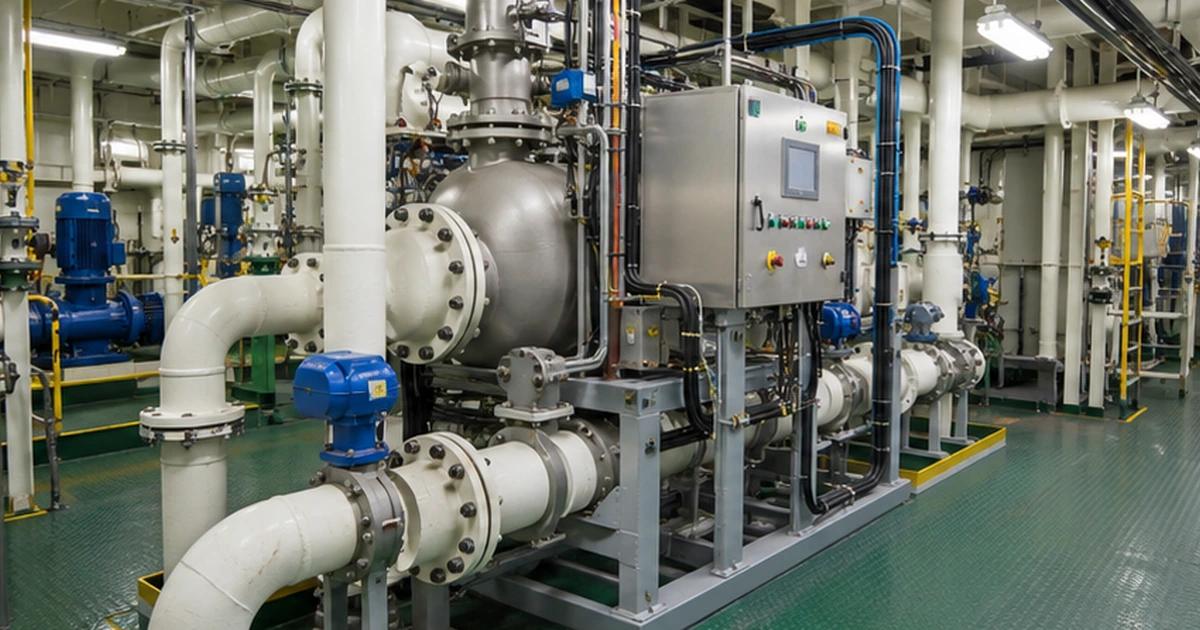
Ballast water carries organisms from one port to another, and discharging it can introduce invasive species into new waters. The IMO Ballast Water Management Convention, in force since 2017, requires ships to treat ballast water to a set standard before discharge. Ships now carry ballast water treatment systems, using filtration with ultraviolet light, electrochlorination or other methods, which have been retrofitted on a large part of the world fleet.
Corrosion in Ballast Tanks
Ballast tanks are among the most corrosive spaces on a ship. They are repeatedly filled with seawater and emptied, warm, humid and difficult to inspect. Coating breakdown at edges, welds and corners leads to pitting and wastage of plates, stiffeners and brackets. Classification societies inspect ballast tanks closely at each survey, and IMO coating rules require high-performance coatings on new ships.
Welding Repairs in Ballast Tanks and Piping
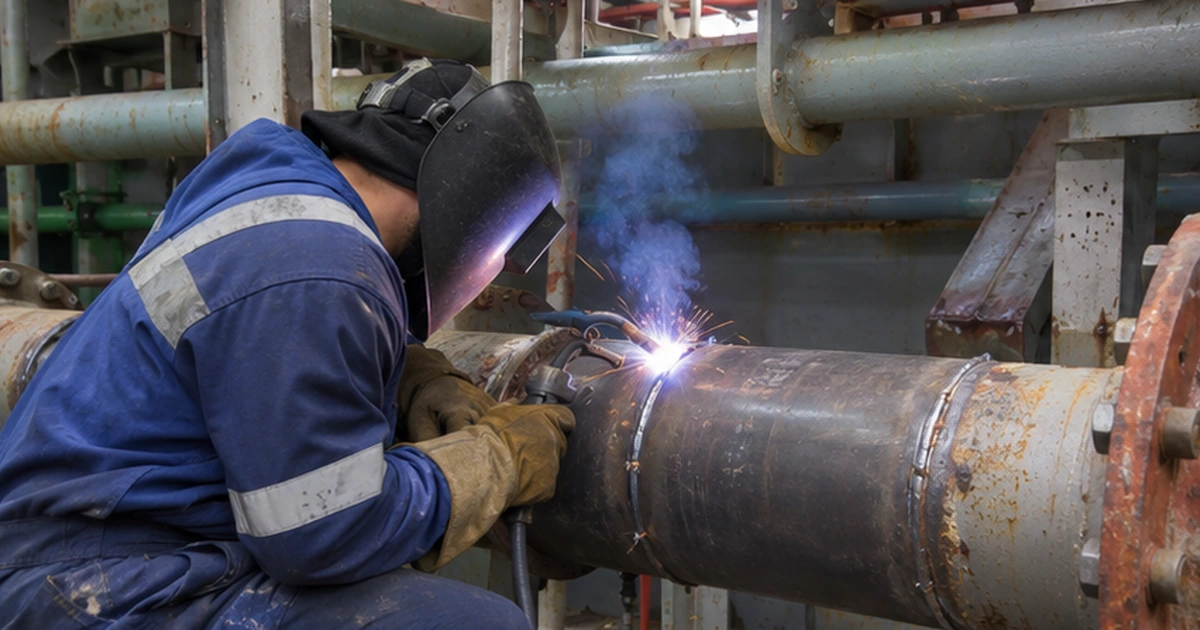
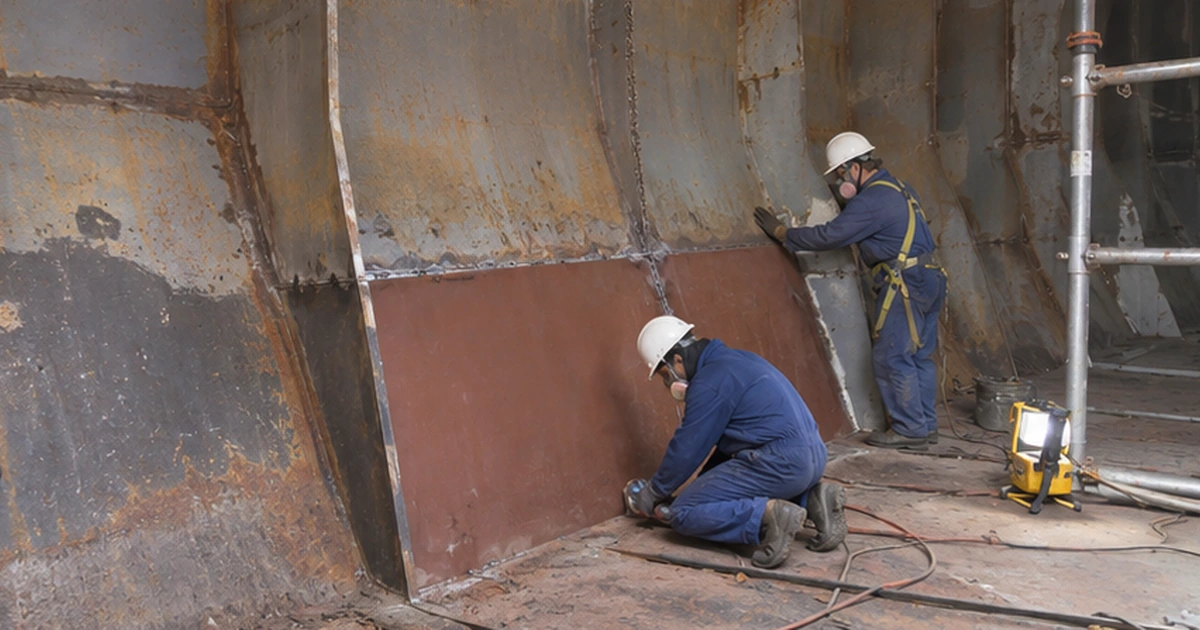
- Steel renewal: wasted plates, stiffeners and brackets are cut out and replaced with new steel of the class-approved grade
- Pitting repairs: shallow pits may be filled by welding where class allows; deeper wastage means renewal
- Ballast piping: corroded steel or GRP pipe sections are replaced, often with coated steel or copper-nickel
- Treatment system retrofits: new pipe spools, supports and penetrations welded in the engine room
Ballast tanks are confined spaces. Before any hot work, the tank is ventilated, tested for oxygen and flammable gas, and covered by a permit. Coatings near the weld are removed, fume is extracted, and a standby person stays at the entrance. After welding, the area is inspected and recoated to the original specification.
From My Experience
On ship repair work in port, ballast tank jobs usually come down to coating failure that was left too long. Renewing a bracket is straightforward; reaching it through manholes, ventilating the space and working in position is the real job. Good preparation and gas testing come before the first arc.
Conclusion
Ballast tanks keep a ship stable, but they are a constant battle against corrosion. Repairs combine structural welding, pipe work and strict confined-space safety. See also hot work on tanks and containers and the ship hull leak repair project.
If you found this article useful, feel free to share it with colleagues who work with ship repair. — Zisis
Need Help on a Project?
For marine repair welding on marine and industrial work, see Marine Repairs or request a quote.