

What 254 SMO Is
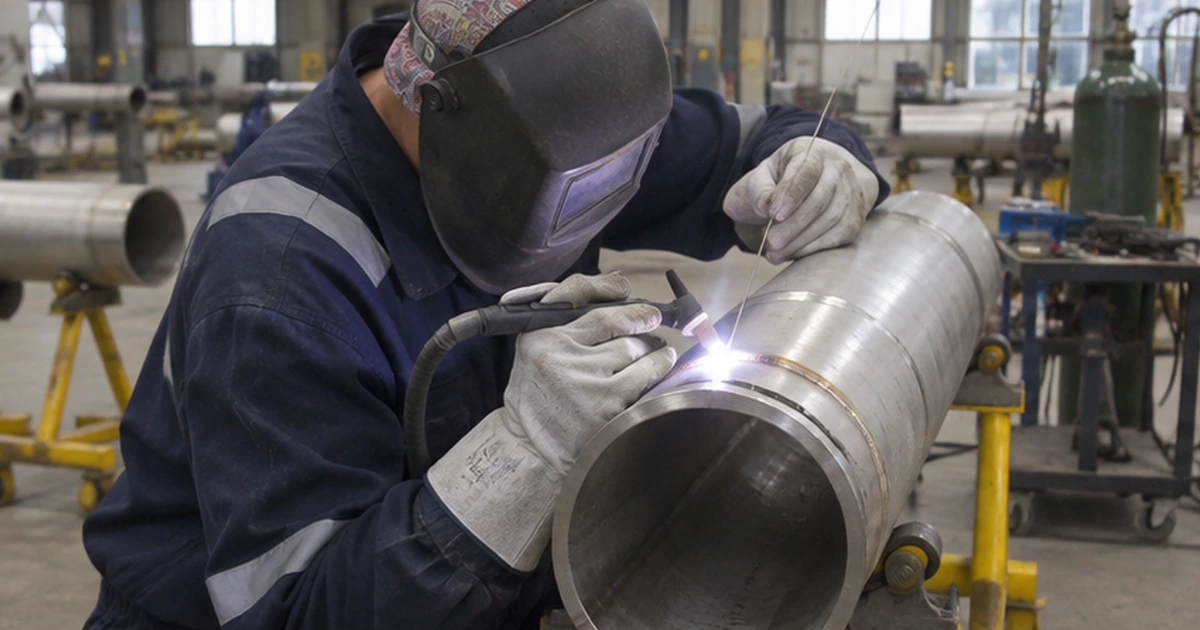
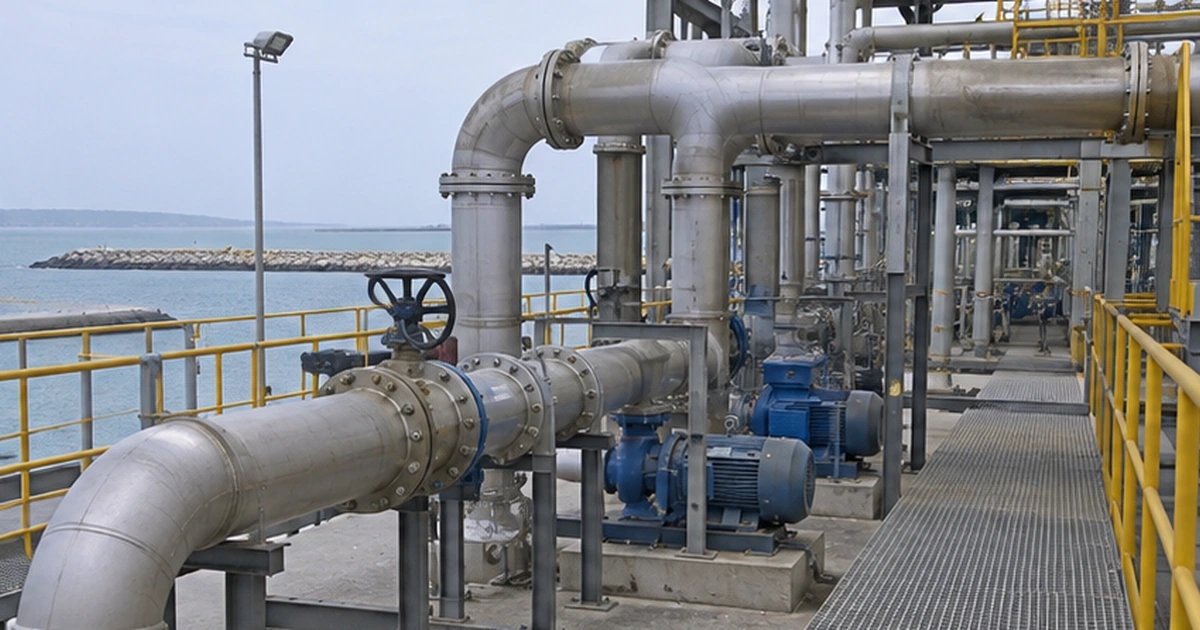
254 SMO is a trade name for a super austenitic stainless steel, also known by its UNS number S31254 or as a 6Mo grade. It contains about 20% chromium, 18% nickel, 6% molybdenum and added nitrogen. That composition gives it far better resistance to pitting and crevice corrosion than 316, which is why it is used for seawater cooling, desalination, offshore and chemical plants.
The name is sometimes explained online as an acronym, but it is simply a grade designation. What matters for the welder is the high alloy content and what happens to it in the weld.
The Main Challenge: Segregation in the Weld
When 254 SMO solidifies, molybdenum does not spread evenly. The centres of the weld dendrites end up with less molybdenum than the base metal, and those areas pit first in seawater. A weld made with matching filler is therefore weaker against corrosion than the pipe around it.
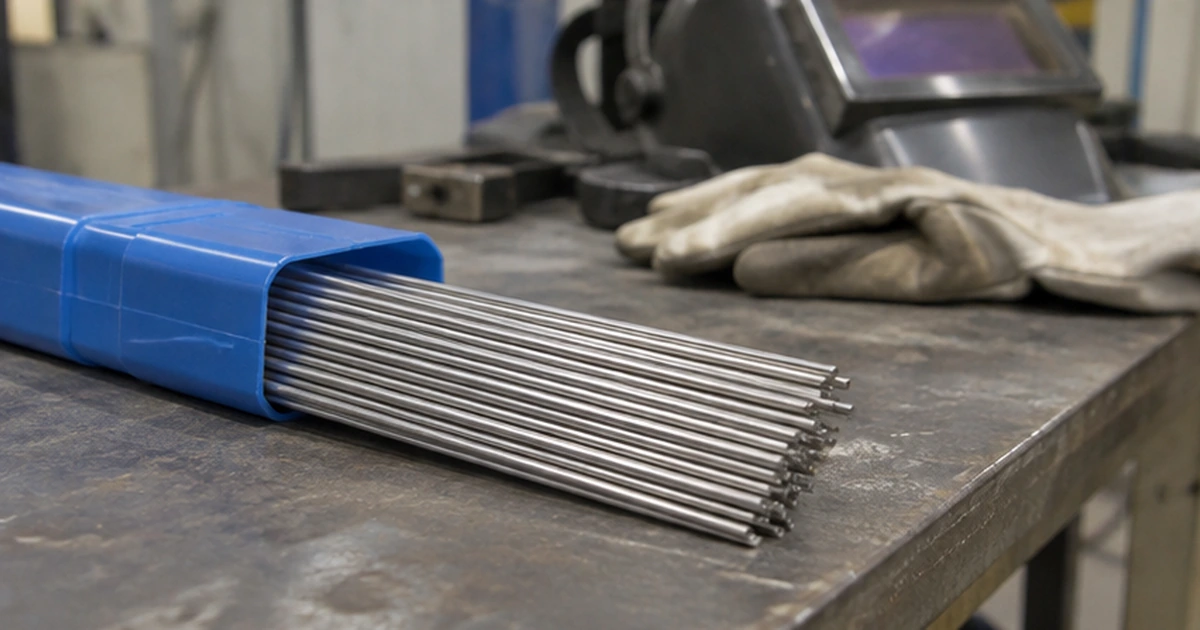
For this reason, 254 SMO is welded with an over-alloyed nickel-based filler, typically of the ERNiCrMo-3 (alloy 625) or ERNiCrMo-4 type. The extra molybdenum in the filler makes up for the segregation.
Welding Procedure for 254 SMO
- Process: TIG for roots and thin wall; MMA or MIG with nickel-based consumables for filling
- Heat input: low, with stringer beads rather than wide weaves
- Interpass temperature: kept low, typically below about 100 °C
- Preheat and post-weld heat treatment: normally not required
- Shielding and backing gas: pure argon, with a well-controlled root purge
High heat input and slow cooling can form intermetallic phases, such as sigma phase, in the heat-affected zone. These reduce both toughness and corrosion resistance, so the procedure aims to get in and out with as little heat as practical.
Cleaning After Welding
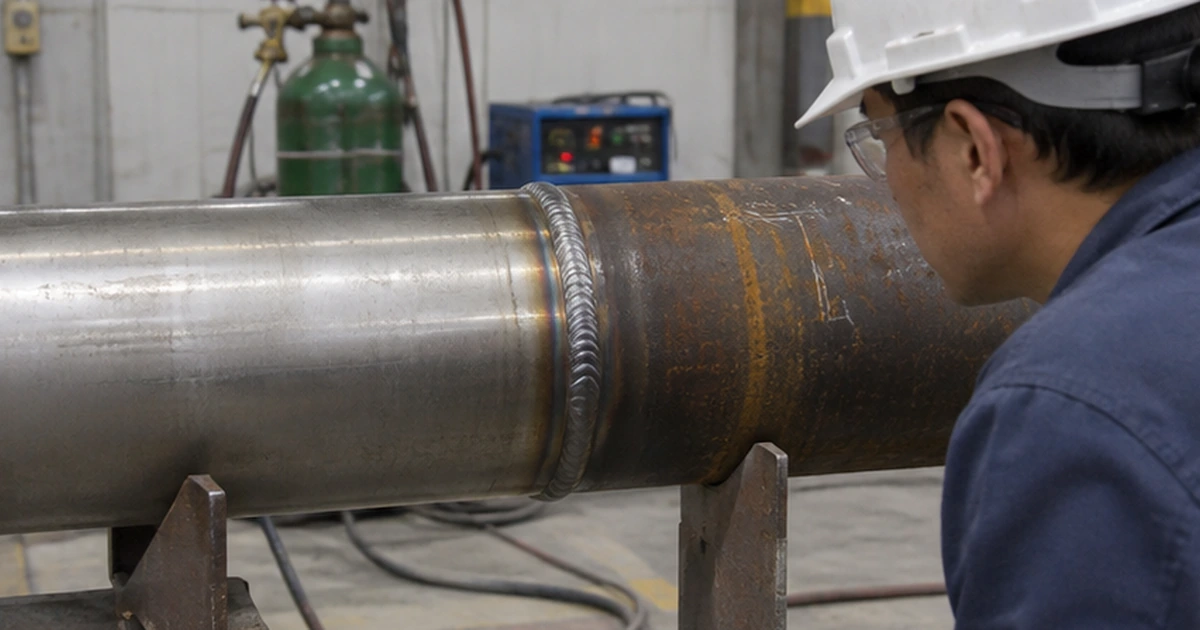
Heat tint on stainless steel is a weak spot for corrosion. On 254 SMO it matters even more, because the alloy is chosen precisely for aggressive environments. Discoloured areas on the root and cap are removed by pickling or careful mechanical cleaning, followed by passivation where specified.
Can 254 SMO Be Welded to Carbon Steel?
Yes, it is done regularly, for example where a stainless spool meets a carbon steel flange or support. The key points are:
- Use a nickel-based filler, again usually alloy 625 type, which tolerates dilution from both sides
- Keep dilution low, as carbon steel mixing into the weld lowers its corrosion resistance
- Consider buttering the carbon steel face first on critical joints
- Qualify the procedure for the exact material combination
From My Experience
Super austenitic and duplex grades reward discipline. I keep separate brushes and grinding discs for them, measure interpass temperature instead of guessing, and watch the colour of the root on the purge side. A beautiful cap means little if the root has turned dark.
Conclusion
254 SMO welds well when it gets over-alloyed filler, low heat input and a clean, purged root. For related grades, see duplex stainless steel welding and stainless steel 304 vs 316.
If you found this article useful, feel free to share it with colleagues who work with stainless piping. — Zisis
Need Help on a Project?
For precision TIG welding on marine and industrial work, see TIG Welding or request a quote.