

Why Hot Work on Tanks Is So Dangerous
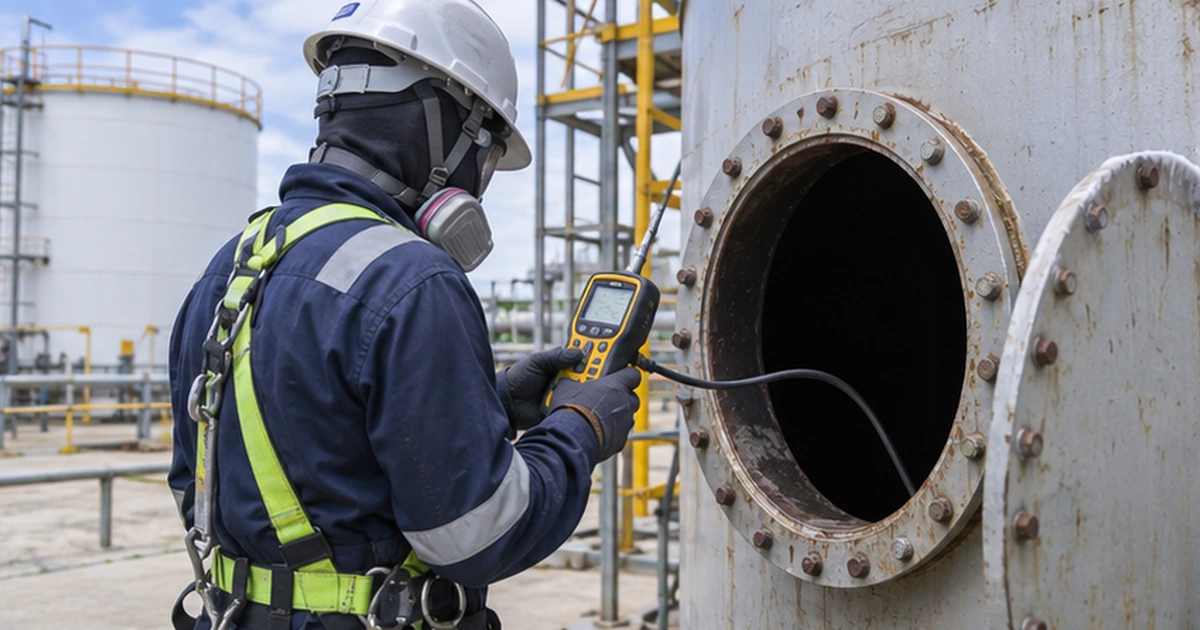
Hot work on tanks, drums, pipes and vessels that contain, or have contained, flammable material is one of the most dangerous jobs in welding. A container that looks empty can still hold residues and vapour. When heat is applied, that vapour can ignite and the container can explode violently.
Heating the wall can also release flammable gases from oil, grease or tar left on the inside, even when no liquid is visible. The HSE guidance on hot work on small tanks and drums explains these hazards and how to reduce the risk.
Before Any Hot Work
A competent, experienced person should decide the safety measures and supervise the work. The basic steps are:
- Find out exactly what the container held and what heating it could release
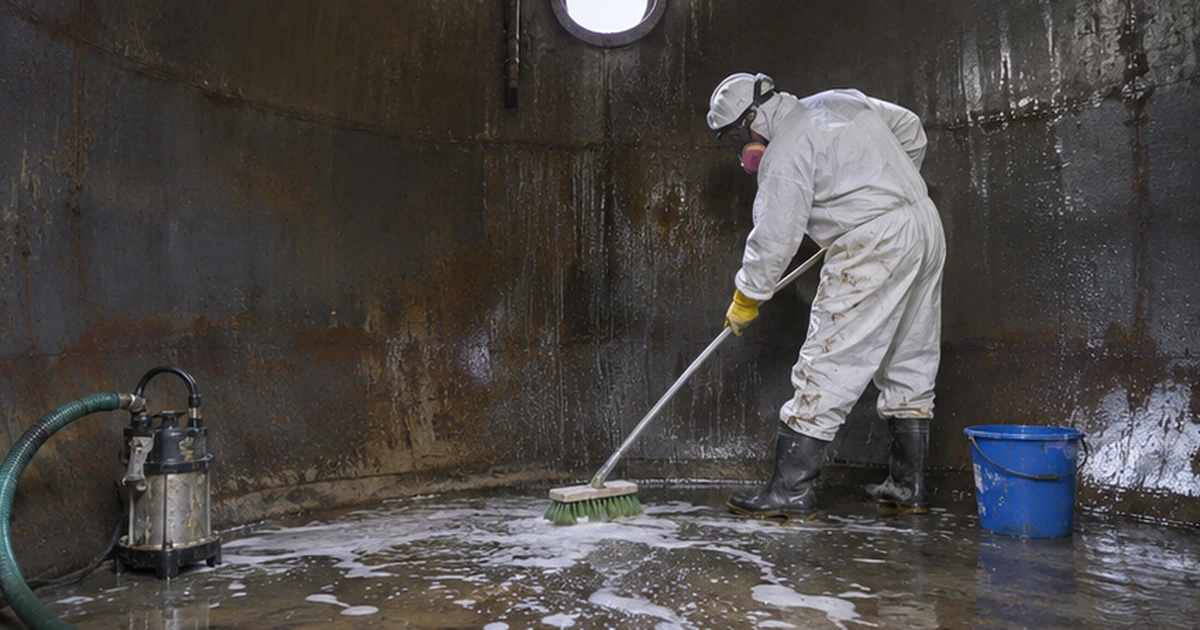
- Empty it completely and clean it, removing sludge and residues
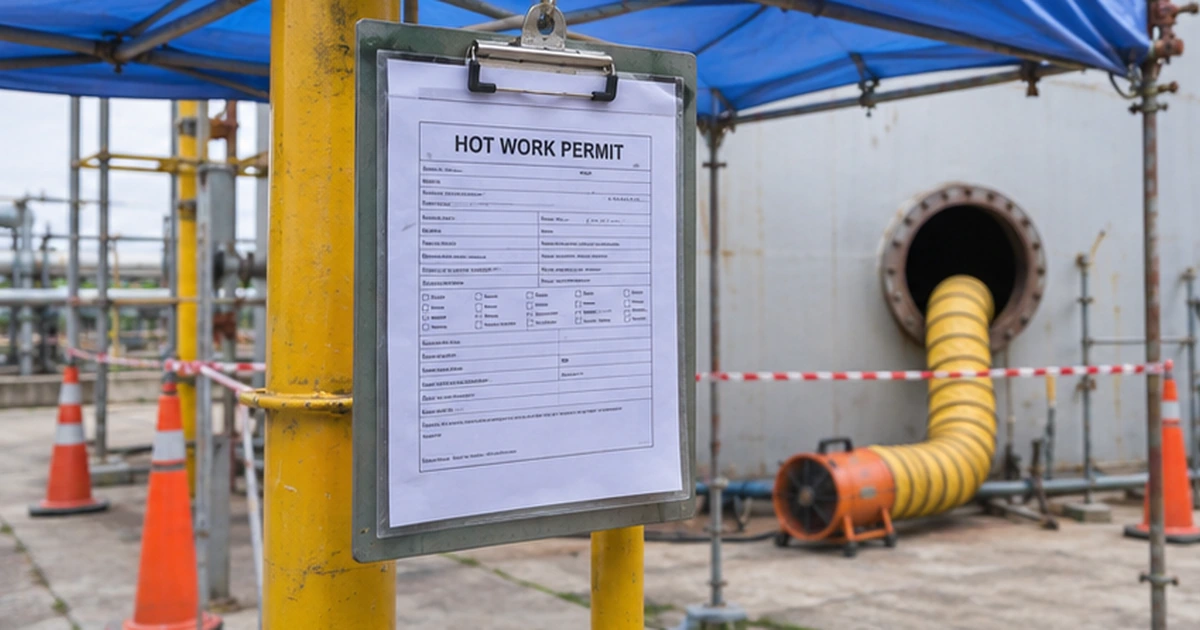
- Gas free and test the atmosphere with a calibrated gas detector
- Where needed, inert it by filling with water, nitrogen or carbon dioxide
- Issue a hot work permit that lists the precautions and who is responsible
Gas testing is repeated during the work, because conditions inside can change as the metal heats up.
Fire Protection Around the Work
- Remove anything that can burn, or cover it with fire blankets
- Seal openings in floors and walls that sparks could pass through
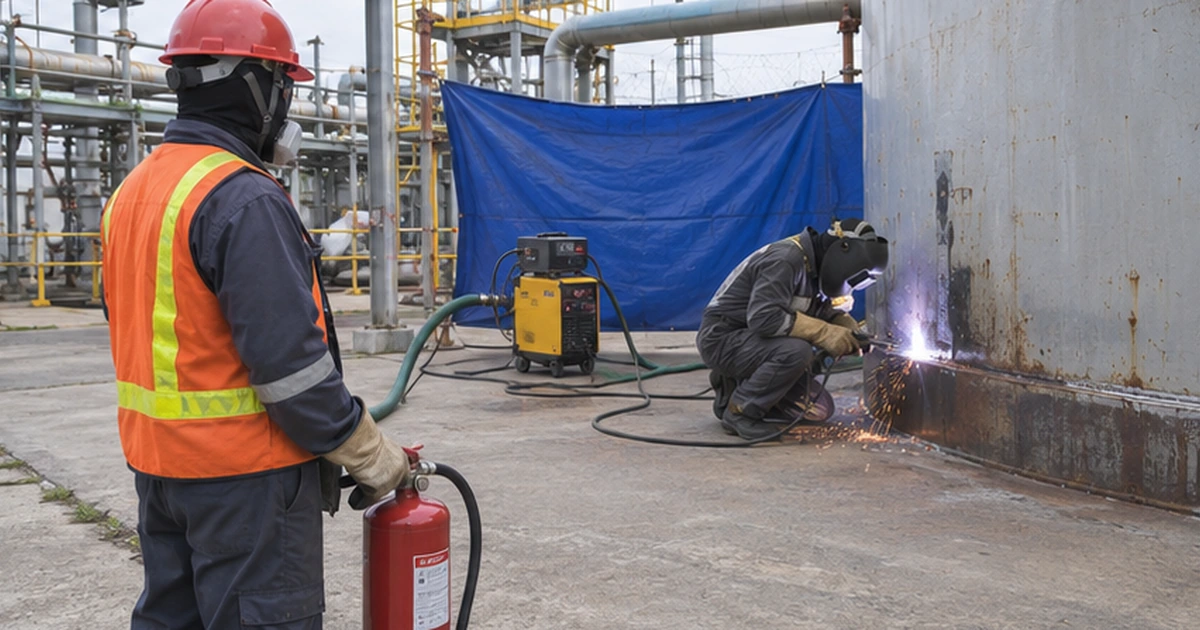
- Keep extinguishers and a fire blanket within reach
- Keep a fire watch during the work and for at least an hour afterwards
Flammable Liquids and Clothing
Clothing soaked with fuel or solvent can catch fire from a single spark, and synthetic fabrics melt onto the skin. Workers who handle fuels should change contaminated clothing before hot work. If clothing catches fire, the person should drop and roll, or be smothered with a fire blanket. Carbon dioxide extinguishers must not be used on people, because of the suffocation risk.
Ship Tanks and Confined Spaces
On ships, fuel and cargo tanks, double bottoms and void spaces combine two risks: flammable residues and the lack of oxygen. Before entry and hot work, the space is ventilated, tested for oxygen and flammable gas, and certified as gas free by a competent person. A standby person stays outside, and rescue arrangements are agreed before anyone goes in.
From My Experience
On hot tapping work on live pipelines, the permit, gas testing and coordination with the operator take longer than the welding itself, and they should. With tanks and pipes, I never rely on someone telling me it is empty. I want to see the test result before I strike an arc.
Conclusion
Hot work on tanks and containers is safe only when the hazard has been removed and proven gone: cleaned, gas freed, tested and covered by a permit. See also my article on welding safety on site.
If you found this article useful, feel free to share it with colleagues who work with hot work and maintenance. — Zisis
Need Help on a Project?
For welding supervision and quality control on marine and industrial work, see Welding Supervision or request a quote.