

What Superalloys Are
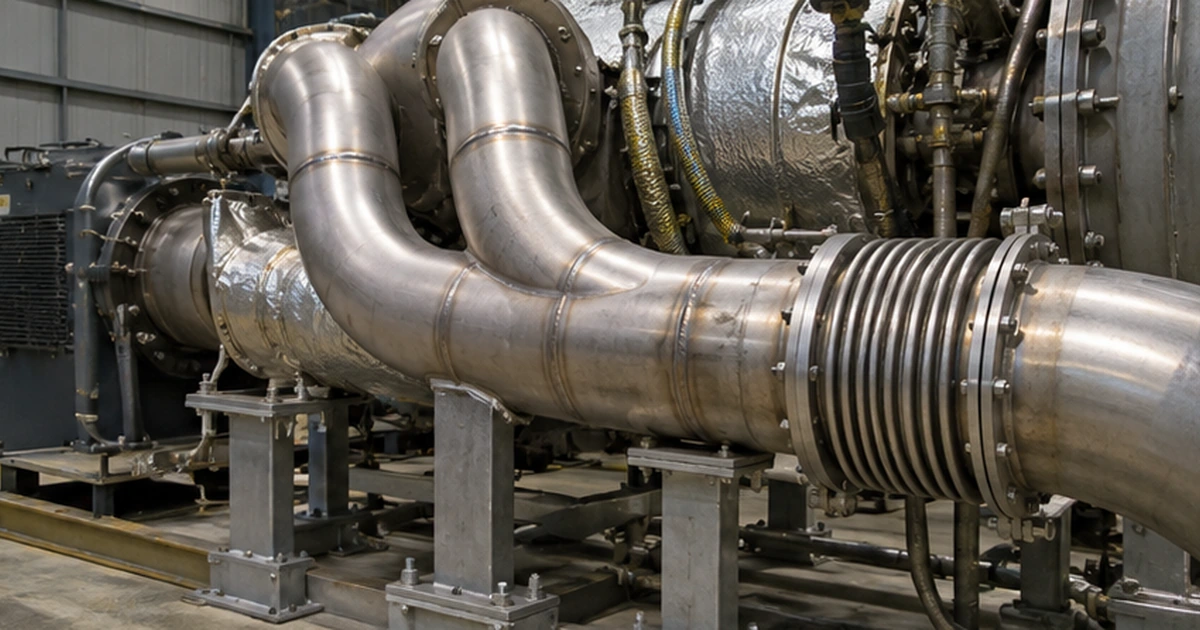
Superalloys are metals designed to keep their strength and resist oxidation and corrosion at high temperatures, often above 600 °C, where most steels weaken. Most are based on nickel, some on cobalt or iron-nickel. They are used in gas turbines, jet engines, furnaces, chemical plants, power generation and offshore equipment.
Inconel and Hastelloy are trade names for two well-known families of nickel-based superalloys. Similar alloys are sold under other names and are often referred to by their UNS numbers.
Inconel: Heat and Oxidation
Inconel alloys are nickel-chromium based. Alloy 600 resists oxidation and is used in furnace parts and heat treatment equipment. Alloy 625 adds molybdenum and niobium for strength and excellent seawater and acid resistance. It is also widely used as a filler metal for joining dissimilar metals and super austenitic stainless steels. Alloy 718 is precipitation hardened for very high strength in turbine parts.
Hastelloy: Aggressive Chemicals
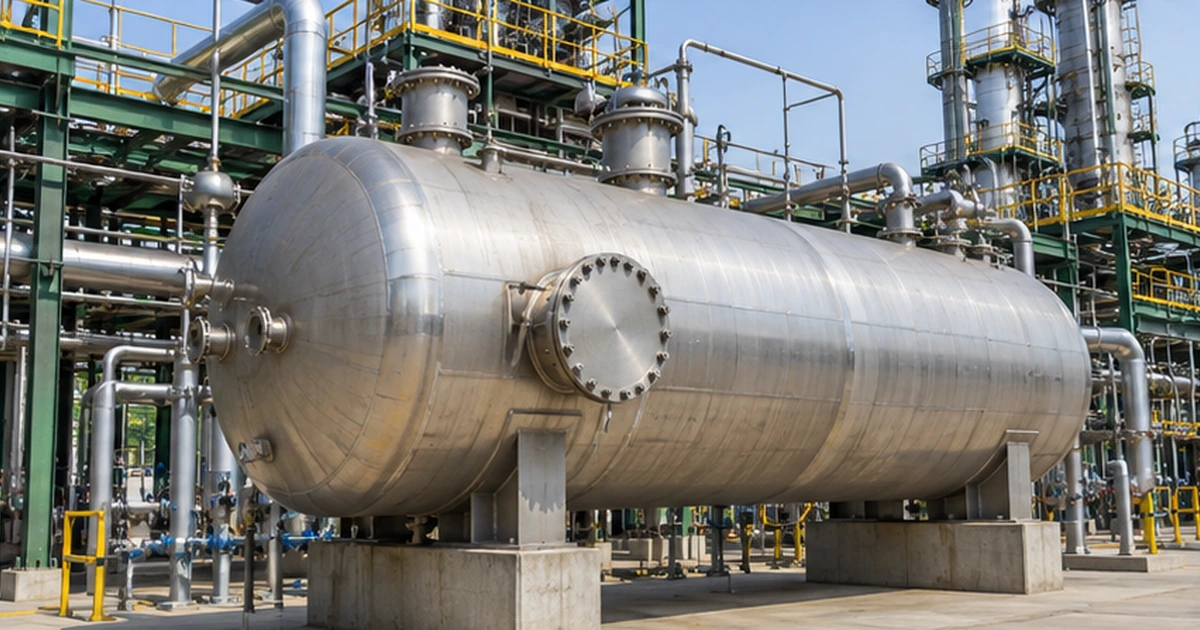
Hastelloy alloys are nickel-molybdenum or nickel-chromium-molybdenum based. Grades such as C-276 and C-22 resist hydrochloric and sulphuric acid, wet chlorine and other chemicals that would destroy stainless steel. They are used in chemical reactors, scrubbers, pollution control and pickling plants. Hastelloy X is a heat-resistant grade for combustors and furnace parts.
Welding Nickel Alloys: What Changes
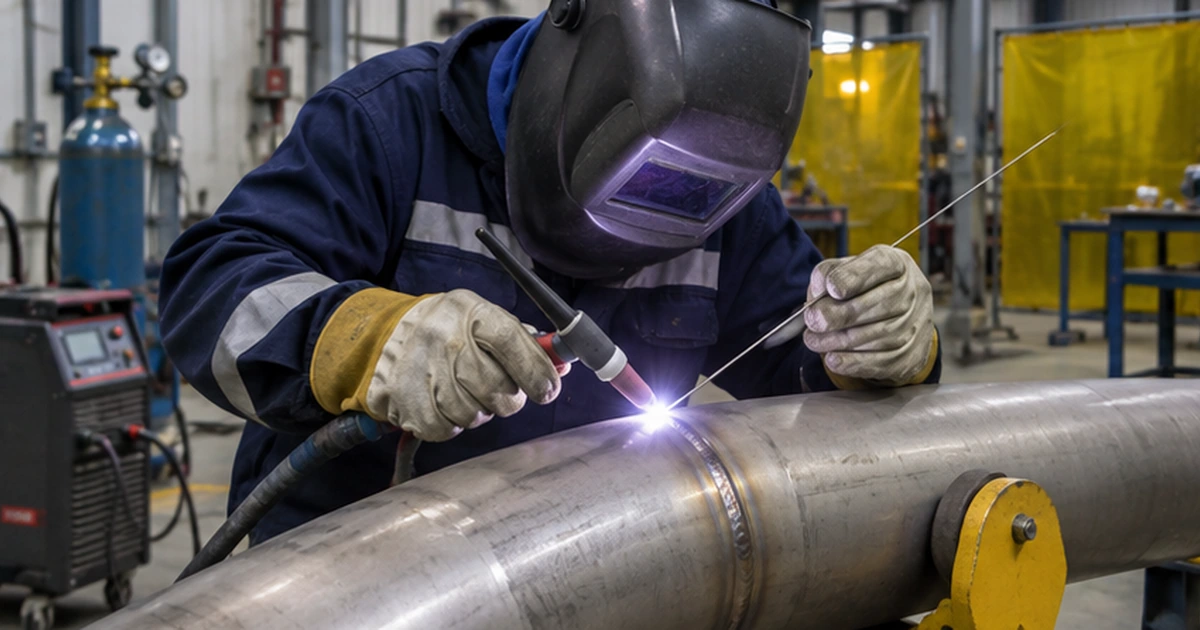
Most nickel alloys weld well with TIG, MIG and MMA, but they behave differently from steel.
- Sluggish weld pool: the metal does not flow, so the welder must place it with slight manipulation
- Shallow penetration: wider bevels, larger root openings and smaller root faces are used
- Cleanliness: sulphur, lead, phosphorus and low-melting metals cause cracking, so oil, paint and marker must be removed completely
- Heat input: kept low, with controlled interpass temperature, to avoid hot cracking
- Filler: matching or over-alloyed nickel filler; never weld autogenously on critical work
Gas and Shielding
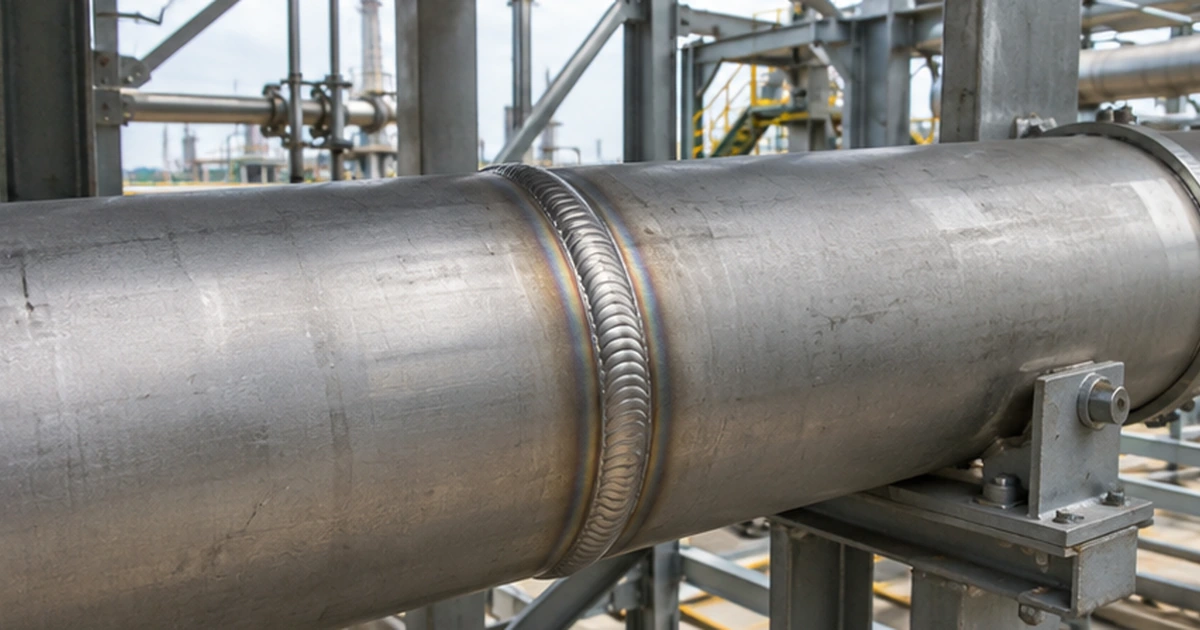
TIG welding uses pure argon or argon-helium mixes. Small additions of hydrogen are sometimes used on certain grades, but never without a qualified procedure. Back purging is essential on pipe roots, as oxidised nickel alloy roots lose their corrosion resistance and are difficult to clean.
From My Experience
The first time a welder used to carbon steel works on nickel alloy, the pool looks wrong: thick, slow and reluctant to wet the sidewalls. Turning up the current is the wrong reaction. It is better to open the joint, use a slight weave and let the filler do the work, while keeping heat input under control.
Conclusion
Inconel, Hastelloy and other nickel superalloys solve problems that stainless steel cannot. They weld well with clean joints, low heat input, the right filler and good shielding. See also 254 SMO stainless steel welding, where nickel fillers play a key role.
If you found this article useful, feel free to share it with colleagues who work with high-temperature and corrosive service. — Zisis
Need Help on a Project?
For precision TIG welding on marine and industrial work, see TIG Welding or request a quote.