

What Heat Does to Metal
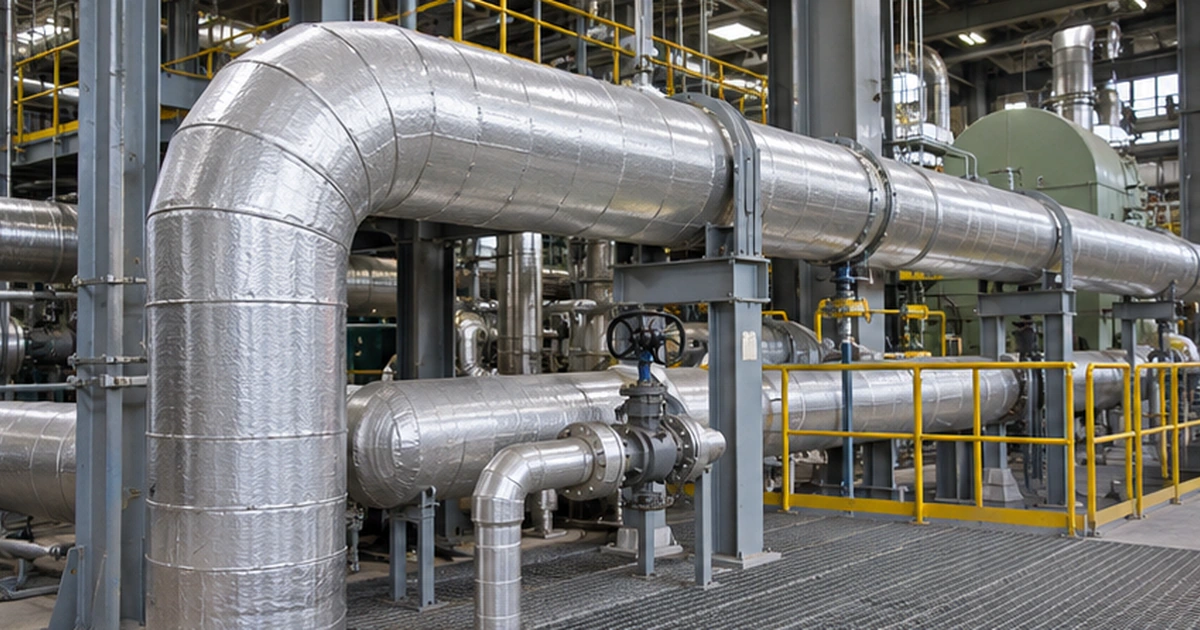
All metals lose strength as temperature rises. At room temperature a steel beam carries its load indefinitely. Above roughly 40% of its absolute melting temperature, the same steel will slowly stretch under a constant load, even if the stress is well below its yield strength. This slow, time-dependent deformation is called creep, and it is the main factor in choosing high temperature metals.
Understanding Creep
Creep develops in three stages. In primary creep, the strain rate is high but falls as the metal work-hardens. In secondary creep, the rate is steady and lowest; this is the stage designers use. In tertiary creep, voids form at grain boundaries, the rate accelerates and the part ruptures. Boilers, steam lines, turbine parts and furnace components are designed for a set life, often 100,000 hours or more, at a given temperature and stress.
Common High Temperature Metals
- Carbon steel: fine up to about 400 to 425 °C; above that, creep and graphitisation limit its use
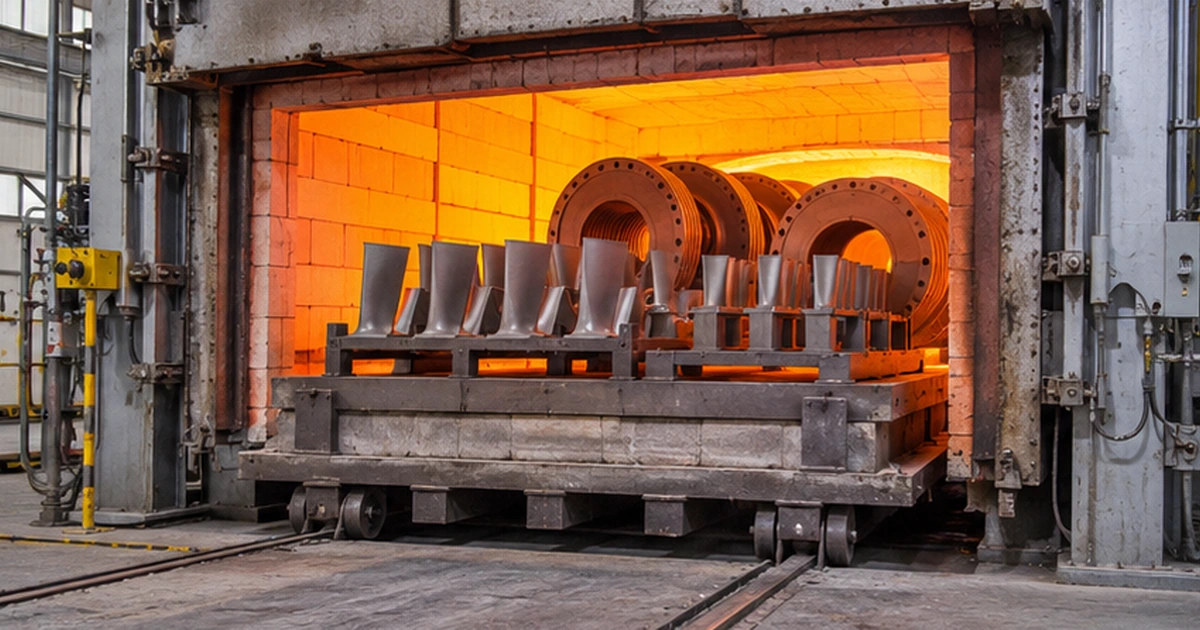
- Chrome-moly steels (such as P11, P22, P91): the standard for steam piping and boilers up to about 600 °C
- Austenitic stainless steels (such as 304H, 316H, 321, 347): good to about 800 °C, with good oxidation resistance
- Heat-resistant stainless (such as 309 and 310): furnace parts and heat treatment fixtures
- Nickel alloys (such as alloy 600, 625, 800H and X): gas turbines, furnaces and petrochemical heaters
- Refractory metals (molybdenum, tungsten, tantalum): very high melting points, used in special vacuum or protective atmospheres
Aluminium at High Temperatures
Aluminium is a poor choice for structural use in heat. Its alloys start losing strength significantly above about 100 to 150 °C, and heat-treated grades such as 6061-T6 can lose much of their strength if exposed above about 200 °C for long periods. That is why aluminium is used for heat sinks and heat exchangers, where it conducts heat away, rather than for parts that carry load while hot.
Welding for High Temperature Service
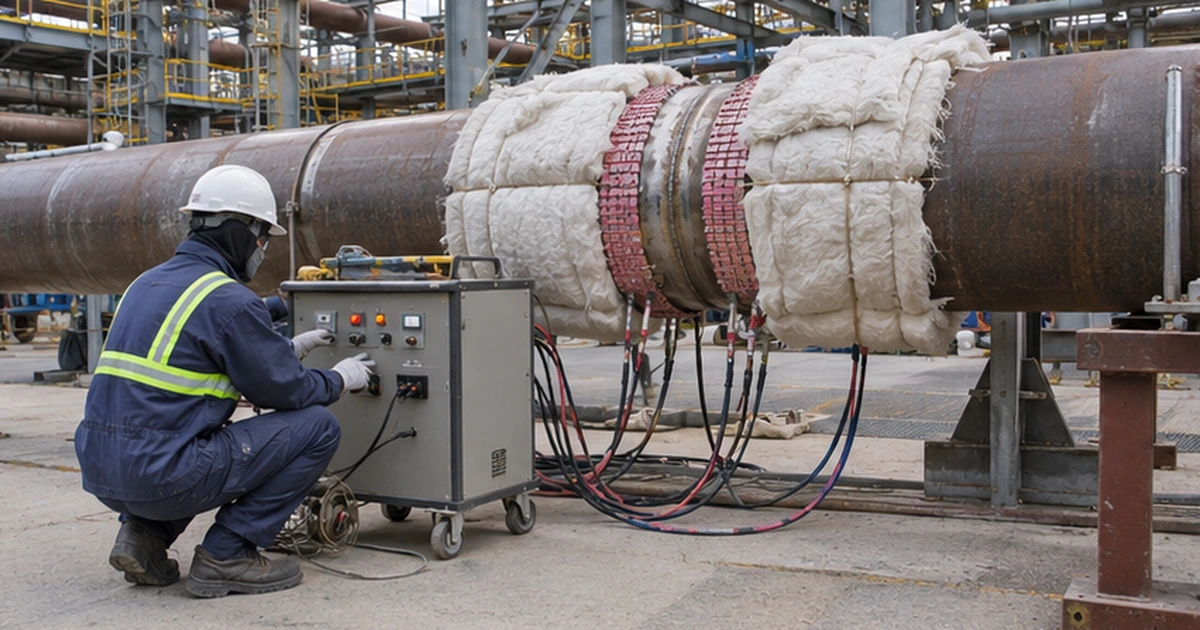
Welds in creep service must have properties close to the base metal. Chrome-moly steels need matching filler, preheat, careful interpass control and post-weld heat treatment to temper the hard heat-affected zone. Grade 91 steels are especially sensitive: a missed or incorrect heat treatment can halve the weld’s creep life. Stainless and nickel alloys usually do not need heat treatment, but their filler must be chosen for the operating temperature.
From My Experience
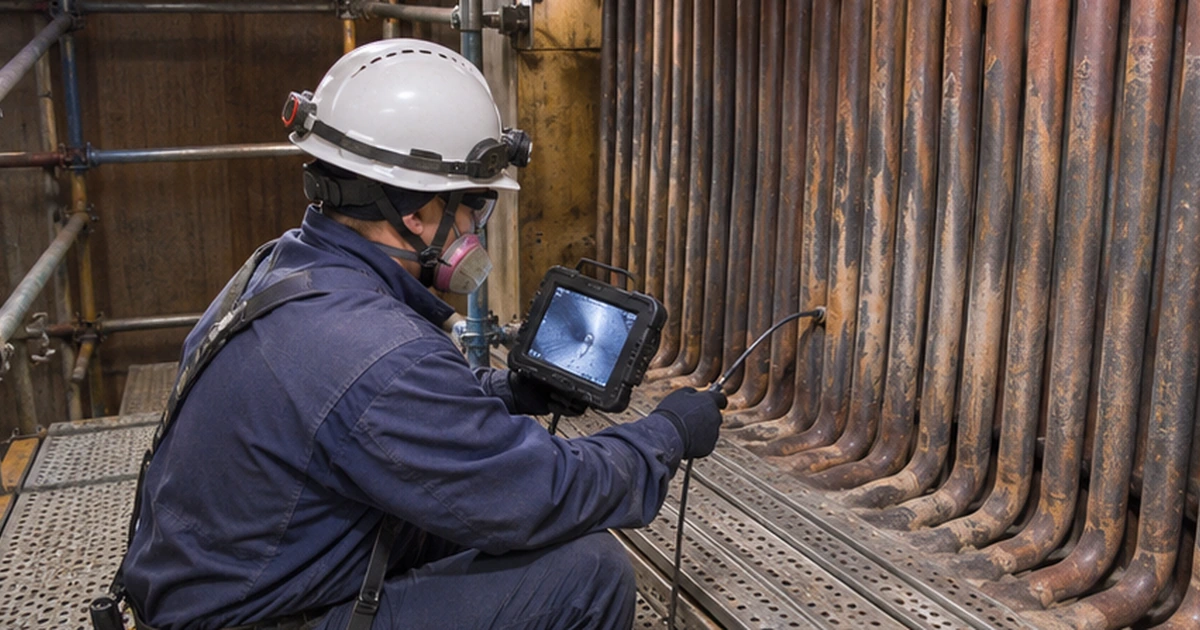
On refinery and plant work, the material certificate and the welding procedure for hot service get checked more carefully than anything else. If the paperwork says P22 with heat treatment, that is exactly what goes into the line. Creep failures happen years later, long after anyone remembers who cut a corner.
Conclusion
High temperature metals are chosen by their creep strength and oxidation resistance at the operating temperature. From carbon steel to nickel alloys, each has a ceiling. For heat treatment basics, see annealing, quenching and tempering, and for nickel alloys, see Inconel and Hastelloy welding.
If you found this article useful, feel free to share it with colleagues who work with plant and power work. — Zisis
Need Help on a Project?
For specialized welding on demanding materials on marine and industrial work, see Specialized Welding or request a quote.