

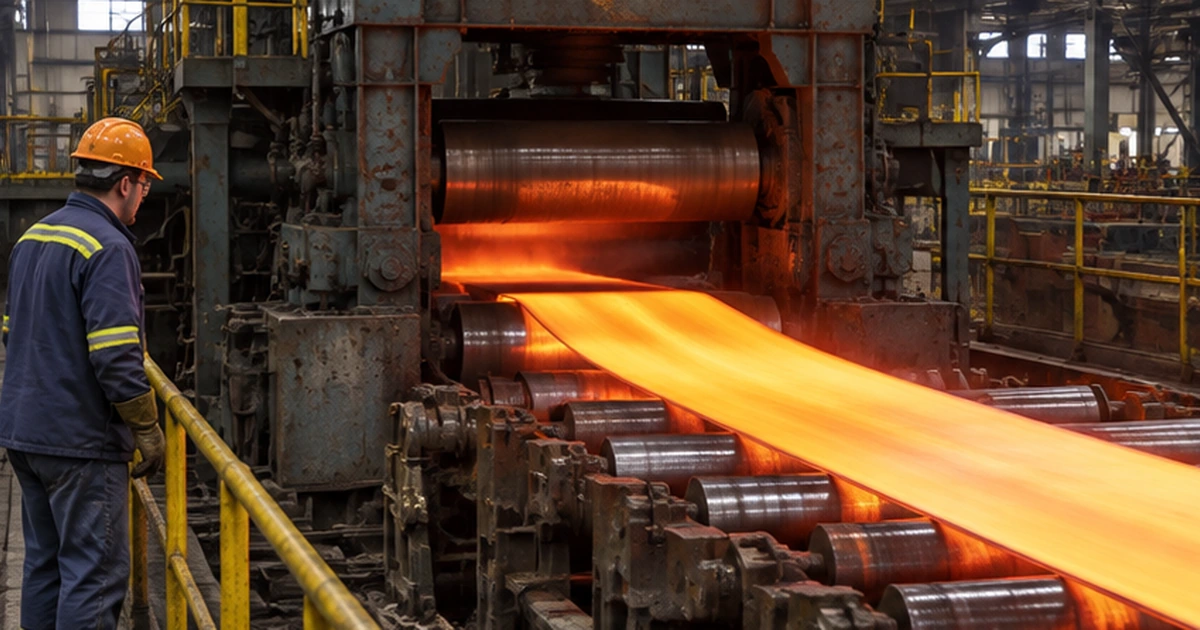
How Hot-Rolled Steel Is Made
Hot-rolled steel is rolled at temperatures above about 900 °C, above its recrystallisation temperature. At that heat the steel is soft and can be reduced to plates, sections, bars and coils quickly and cheaply. As it cools, it shrinks slightly and forms a bluish-grey oxide layer called mill scale. Dimensions and flatness are less precise, and edges and corners are slightly rounded.
Hot-rolled steel is used where exact dimensions and surface finish are not critical: structural beams, plate for ships and tanks, rails, and general fabrication.
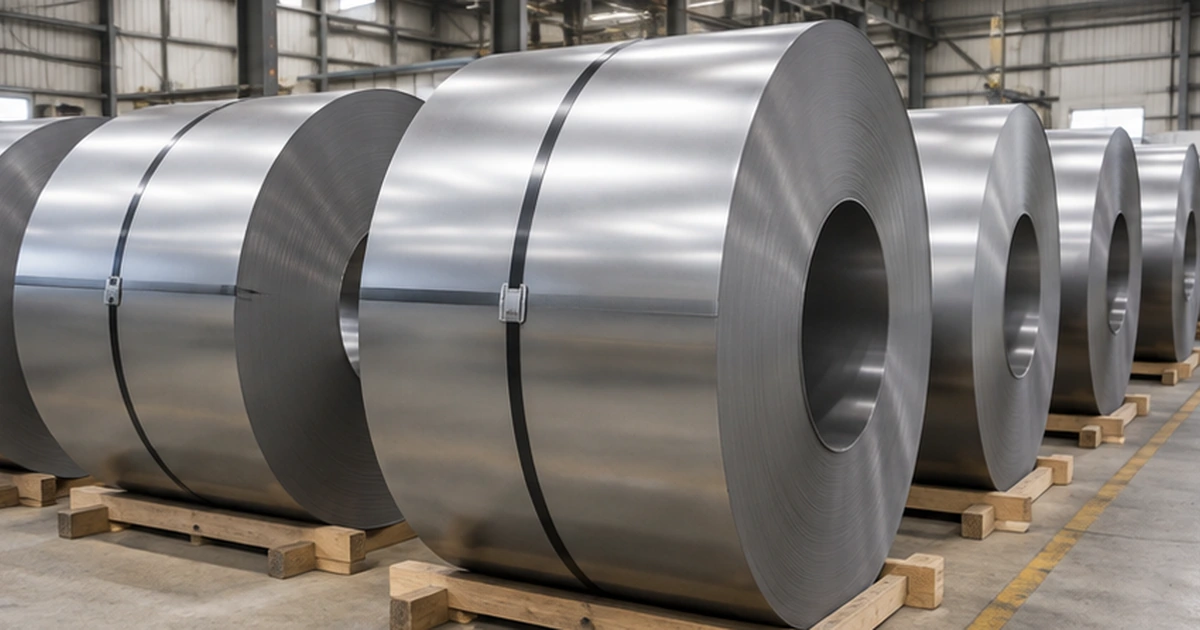
How Cold-Rolled Steel Is Made
Cold-rolled steel starts as hot-rolled steel, which is pickled to remove scale and then rolled again at room temperature. Rolling it cold work-hardens the steel, increasing its strength and hardness by up to around 20%, and gives it a smooth, bright surface, tight tolerances and sharp edges. It is often annealed afterwards to restore some ductility for forming.
Key Differences
- Surface: hot-rolled has mill scale; cold-rolled steel is smooth and oily
- Tolerances: cold-rolled is much more precise and flatter
- Strength: cold-rolled is stronger and harder for the same grade, but less ductile
- Internal stress: cold-rolled can contain residual stresses that cause distortion when cut or welded
- Thickness range: cold-rolled is mainly thin sheet and small bars
- Cost: hot-rolled is cheaper
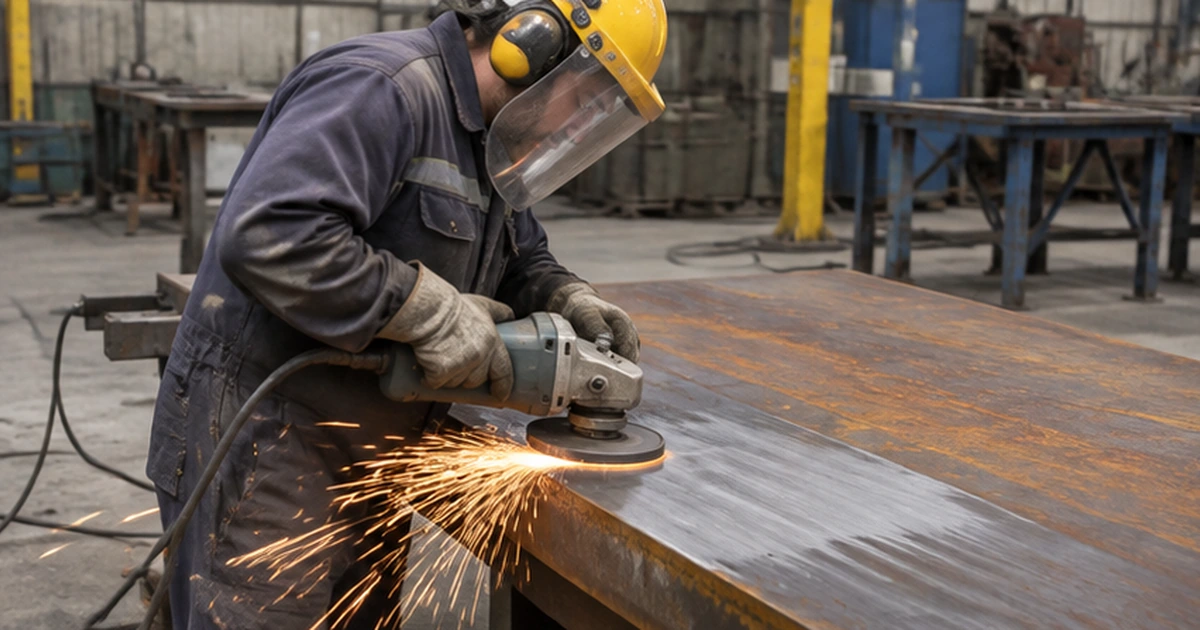
What It Means for Welding
For hot-rolled plate, the mill scale is the main concern. It can cause porosity, lack of fusion and an unstable arc, especially with MIG/MAG and TIG. The weld area should be ground to bright metal on critical work. MMA electrodes tolerate scale better, which is one reason they remain popular on site.
Cold-rolled sheet welds cleanly but needs its oil removed, as it causes porosity. Because it is thin and stressed, it distorts easily. Short tacks, skip welding and low heat input keep it flat. The heat of welding also softens the cold-worked steel next to the weld.
Choosing Between Them
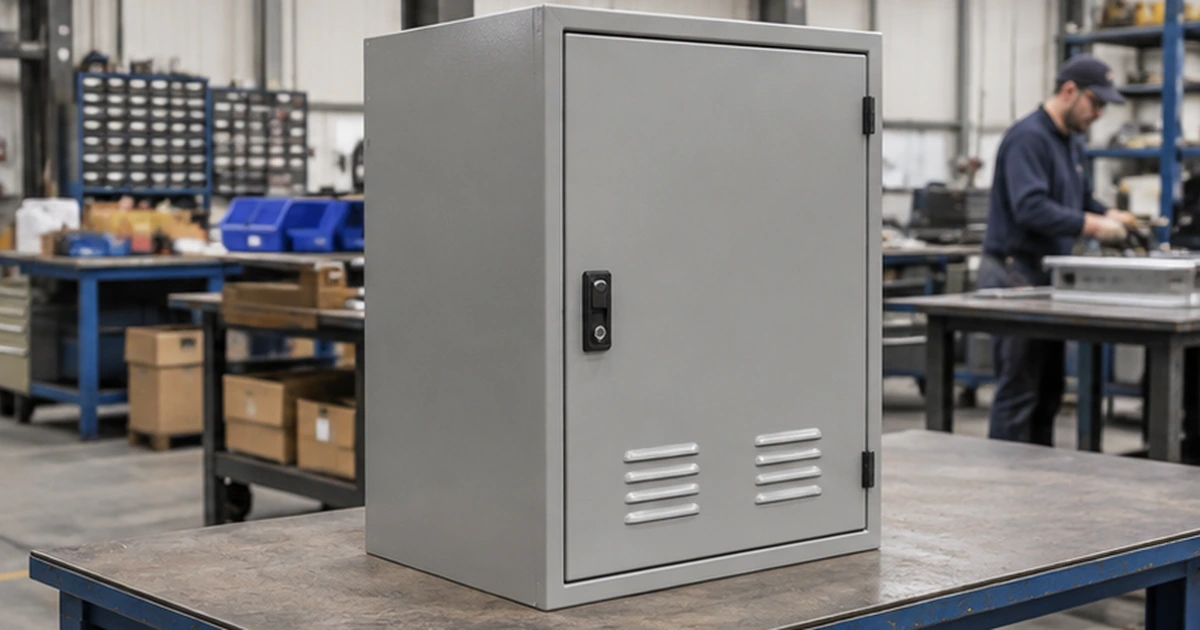
If the part will be painted or hidden and dimensions are not tight, hot-rolled steel saves money. If it needs precise dimensions, a clean finish or extra strength in thin gauges, as with furniture, appliances, enclosures and car parts, cold-rolled steel is the better choice. Hot-rolled pickled and oiled sheet sits between the two: scale-free but without the tight tolerances of cold-rolled.
From My Experience
On structural plate, I treat mill scale as dirt. A flap disc along the weld path takes a minute and saves a porous root. On thin cold-rolled panels, the risk shifts to distortion, so the sequence of tacks and short welds matters more than the settings.
Conclusion
Hot-rolled steel is cheaper and fine for structures; cold-rolled steel is stronger, smoother and more precise. Each needs its own preparation before welding. For more on edges and fit-up, see weld joint preparation.
If you found this article useful, feel free to share it with colleagues who work with steel fabrication. — Zisis
Need Help on a Project?
For specialized welding on demanding materials on marine and industrial work, see Specialized Welding or request a quote.