

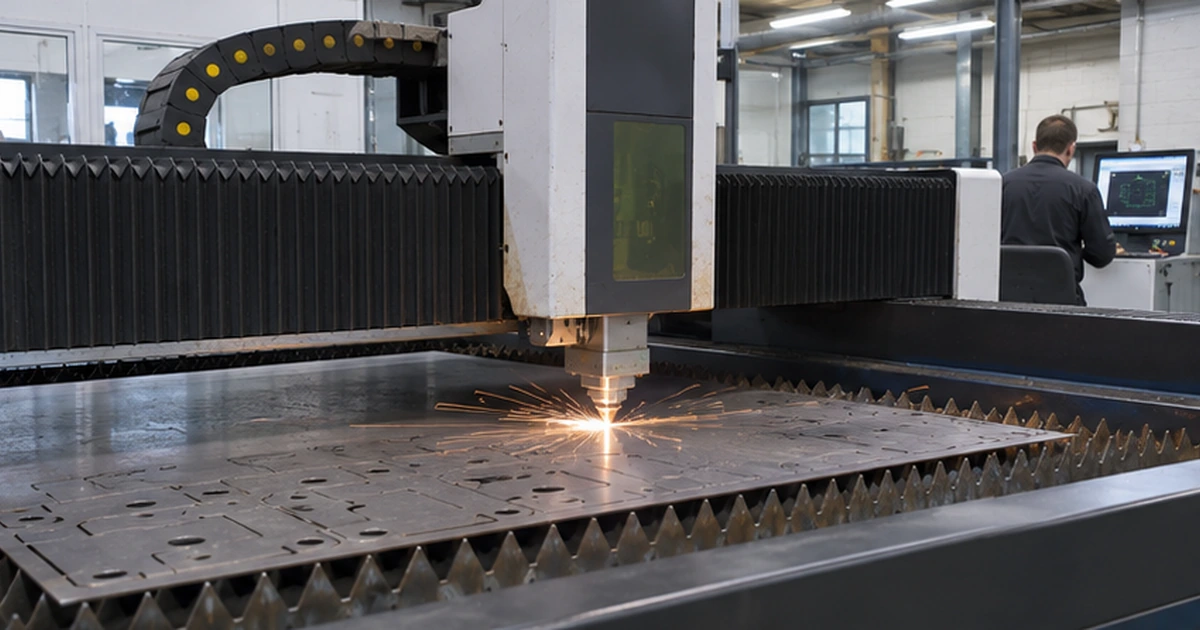
How Laser Cutting Works
Laser cutting focuses a high-power beam of light onto a very small spot, melting or vaporising the metal. An assist gas, blown through the same nozzle, removes the molten metal from the cut. The cutting head follows a programmed path, so complex shapes can be cut directly from drawings with very little waste.
Fibre and CO2 Lasers
Two types of laser dominate metal cutting. CO2 lasers were the industry standard for decades and still give an excellent edge on thick mild steel. Fibre lasers, now the most common, generate the beam in an optical fibre. They are more efficient, need less maintenance and cut thin and medium sheet much faster, including reflective metals such as aluminium, brass and copper that are difficult for CO2 lasers.
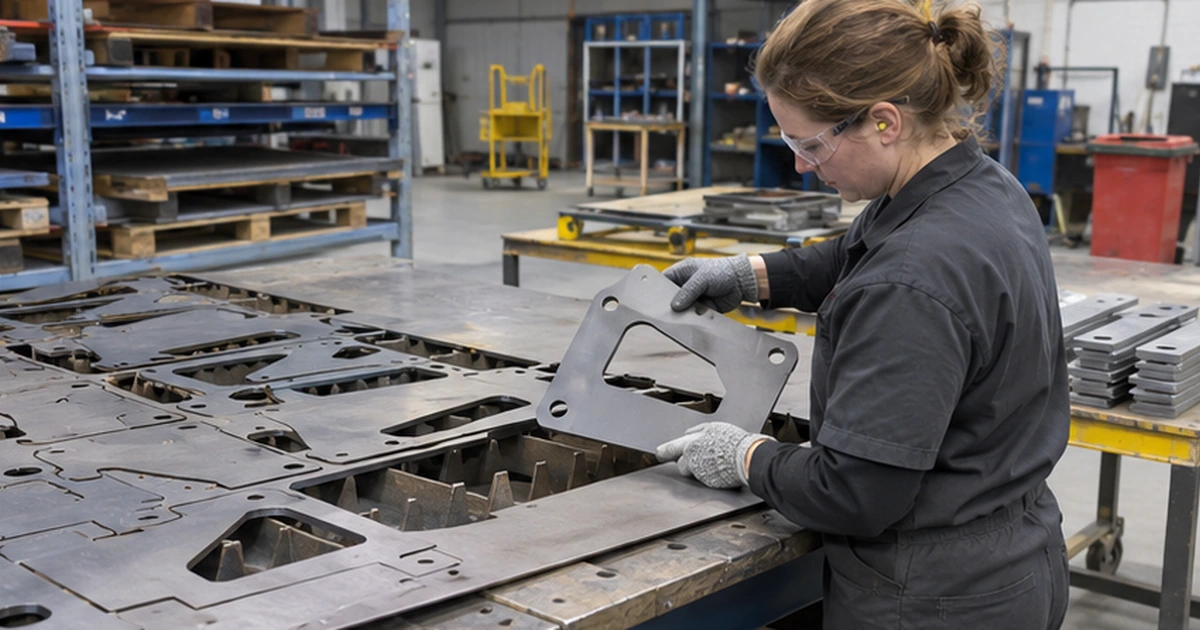
Assist Gases
- Oxygen: used for mild steel; it reacts with the steel and adds heat, allowing thick plate to be cut, but leaves an oxide layer on the edge
- Nitrogen: used for stainless steel and aluminium; gives a clean, bright, oxide-free edge, at higher gas consumption
- Compressed air: a lower-cost option for thin material where edge quality is less critical
Edges cut with oxygen carry an oxide film that should be removed before welding or painting. Nitrogen-cut edges are ready to weld.
Thickness, Accuracy and Edge Quality
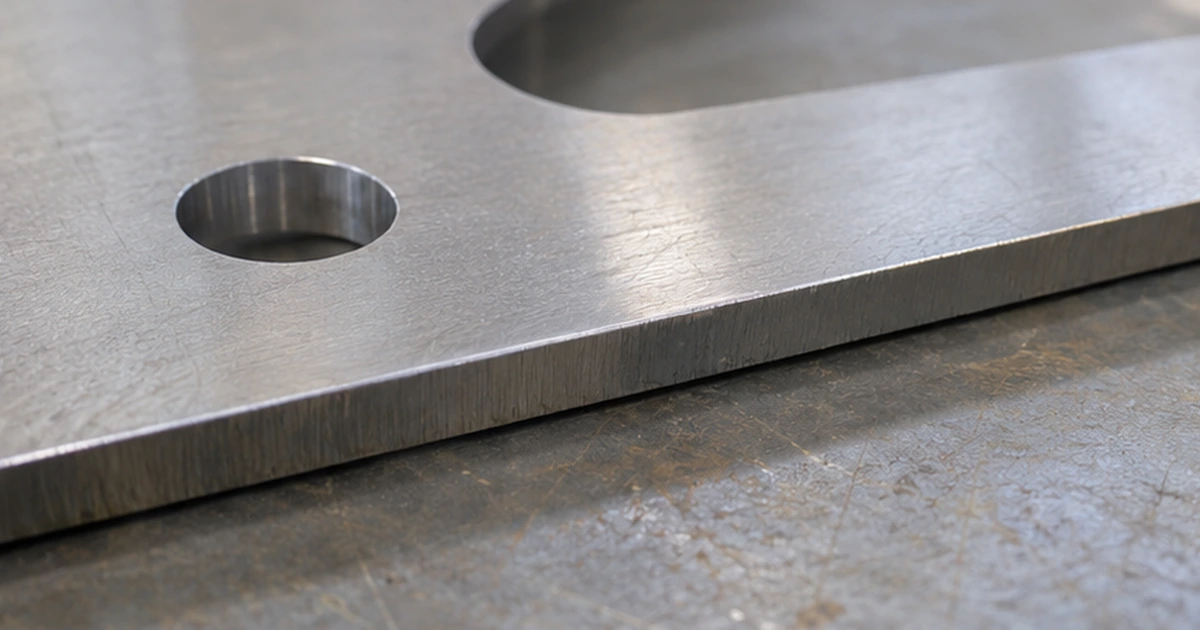
Modern fibre lasers cut mild steel up to about 25 to 30 mm and stainless steel and aluminium to similar or lower thicknesses, depending on power. Laser cutting gives a narrow kerf, typically 0.1 to 0.5 mm, a small heat-affected zone and tolerances around ±0.1 mm on thin sheet. Accuracy and edge squareness fall as thickness increases.
Laser, Plasma or Waterjet
- Laser: best accuracy and speed on thin and medium sheet; small heat-affected zone
- Plasma: cheaper, faster on thick steel plate, with a wider kerf and more bevel on the edge
- Waterjet: no heat at all, cuts almost any material and great thicknesses, but slower and more expensive to run
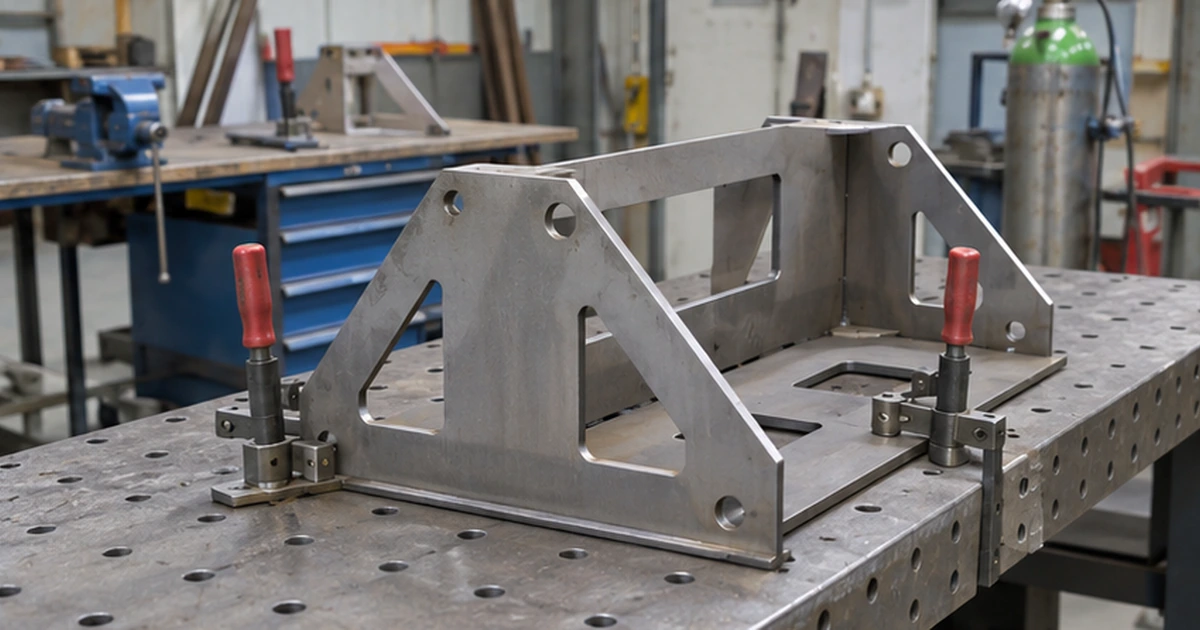
For welded fabrication, laser-cut parts fit together accurately with consistent gaps, which shortens fit-up time and improves weld quality.
From My Experience
Laser cutting is done in the workshop, not on site, but its results reach the welding bench. Parts cut to accurate drawings mean even root gaps and less grinding. When a profile arrives with an oxygen-cut edge, I clean the oxide off the weld area before welding, especially for MIG and TIG work.
Conclusion
Laser cutting gives fast, accurate parts with clean edges, especially on thin and medium sheet. Choosing between laser, plasma and waterjet depends on thickness, material and tolerance. See also waterjet cutting of metal plate and weld joint preparation.
If you found this article useful, feel free to share it with colleagues who work with fabrication. — Zisis
Need Help on a Project?
For specialized welding on demanding materials on marine and industrial work, see Specialized Welding or request a quote.