

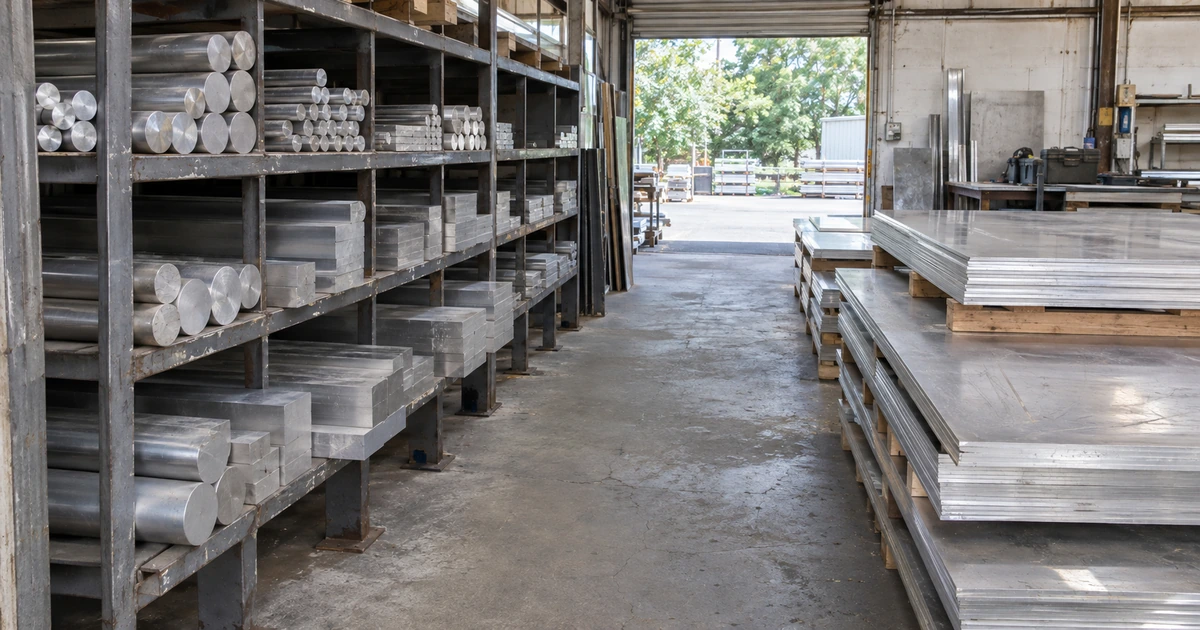
How Aluminium Grades Are Numbered
Wrought aluminium grades use a four-digit number. The first digit shows the main alloying element: 1xxx is almost pure aluminium, 2xxx copper, 3xxx manganese, 5xxx magnesium, 6xxx magnesium and silicon, and 7xxx zinc. A temper code follows, such as O (annealed), H (strain hardened) or T6 (solution treated and artificially aged). Two plates of the same grade can have very different strength depending on temper.
1100, 3003 and 5052: Workable and Weldable
- 1100: at least 99% aluminium. Soft, very formable, excellent corrosion resistance, easy to weld. Used for chemical equipment, heat exchanger fins and decorative work.
- 3003: aluminium with about 1.2% manganese. About 20% stronger than 1100, still easy to form and weld. Cookware, tanks, roofing and general sheet work.
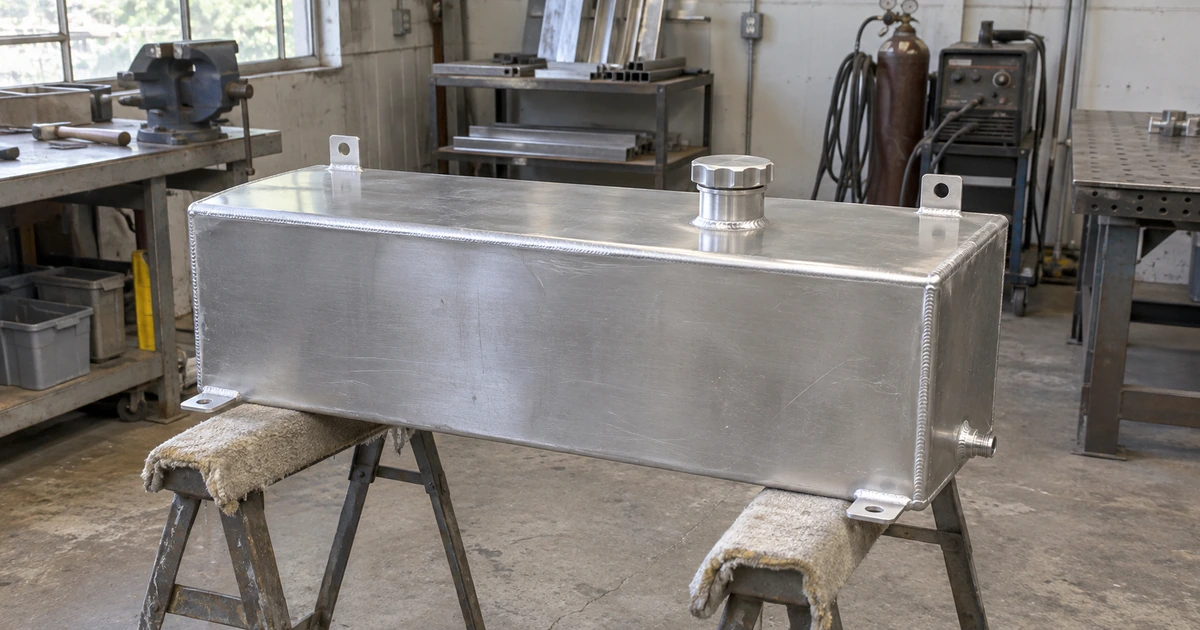
- 5052: aluminium with about 2.5% magnesium. The strongest of the non-heat-treatable common grades, with very good seawater resistance. Boat parts, fuel tanks, enclosures and pressure vessels. It welds well.
6061 and 6063: The Everyday Structural Grades
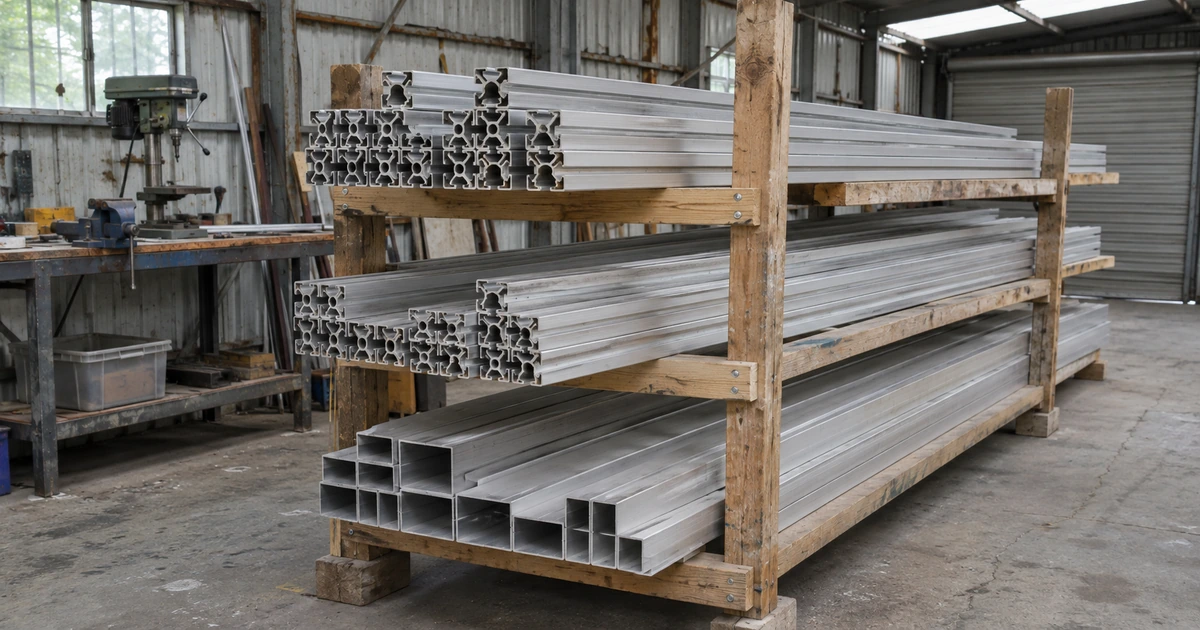
6061 is the most widely used heat-treatable aluminium grade. In the T6 temper it has a tensile strength of around 310 MPa, good corrosion resistance and good machinability. It is used for frames, brackets, marine fittings, pipe and machine parts. 6063 has a little less strength but a better surface finish and is the standard grade for extruded profiles, window frames and handrails.
Both weld well with 4043 or 5356 filler, but welding locally removes the T6 heat treatment. The heat-affected zone can lose a third or more of its strength, which designers must account for.
2011 and 2024: Copper Alloys for Machining and Aircraft
2011 is a free-machining grade, made for high-speed lathe work such as screws and fittings. 2024 is a high-strength alloy for aircraft structures and parts under fatigue loading. Both have lower corrosion resistance and both are generally considered unsuitable for fusion welding, as they crack easily.
6061 vs 7075 Aluminium
The two grades are often compared. 7075 contains about 5.6% zinc and in T6 temper reaches a tensile strength of around 570 MPa, close to many steels and almost twice that of 6061. It is used where strength-to-weight matters most: aerospace, high-performance parts and moulds.
- Strength: 7075 is far stronger
- Corrosion resistance: 6061 is better, especially in marine use
- Machinability: both good, 7075 slightly better
- Weldability: 6061 is weldable; 7075 is generally not, due to hot cracking
- Cost: 7075 is more expensive
If a part must be welded, 6061 is the normal choice. 7075 parts are usually bolted or riveted.
From My Experience
Before welding any aluminium part, I ask for the grade and temper, or check the material certificate. A repair that looks simple can be impossible if the part turns out to be 7075 or 2024. Knowing the grade first saves a failed weld and an argument afterwards.
Conclusion
Aluminium grades differ widely in strength, corrosion resistance and weldability. For welded work, the 1xxx, 3xxx, 5xxx and 6xxx series are the usual choices. For filler selection and cracking risks, see aluminium alloys and weldability.
If you found this article useful, feel free to share it with colleagues who work with aluminium. — Zisis
Need Help on a Project?
For MIG/MAG welding on marine and industrial work, see MIG/MAG Welding or request a quote.