

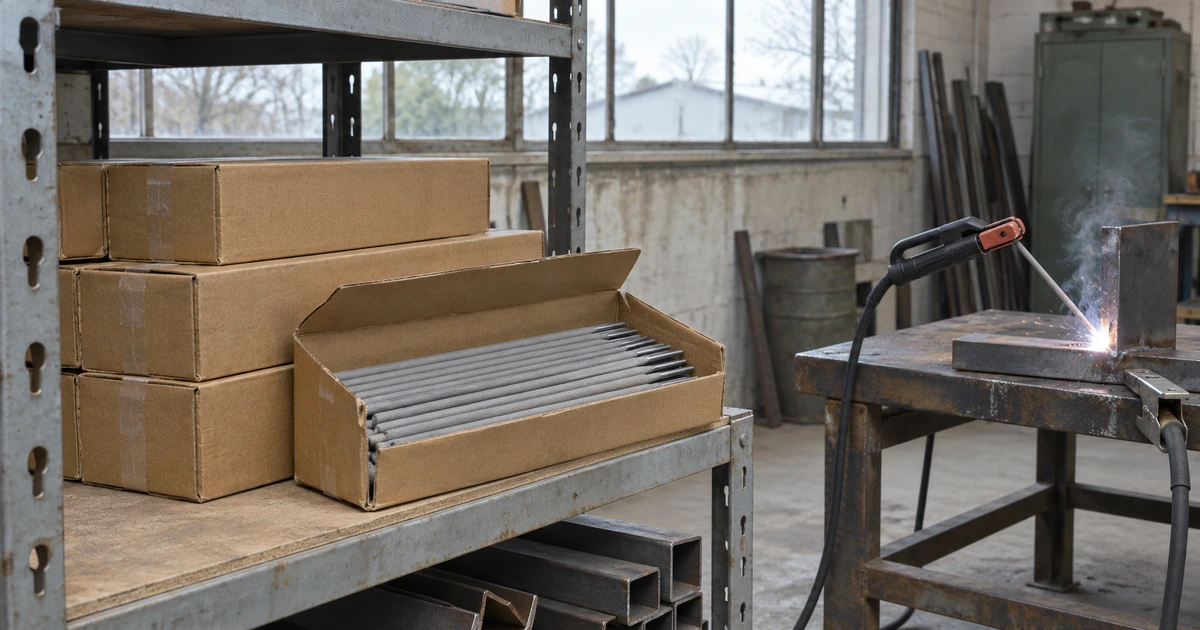
Why So Many Rutile Electrodes
Rutile electrodes are the everyday consumable of general fabrication and repair. Many of them carry the same AWS class, E6013, yet they behave differently: some run better on thin sheet, some deposit faster, some are better for roots. The difference lies in the coating thickness and in the additions to the rutile base.
Coating Types
- Medium-coated rutile: easy in all positions, on AC or DC
- Thick-coated rutile: smooth arc and fine appearance, good on thin sheet
- Acid-rutile: faster travel and higher deposition, mainly flat and horizontal
- Rutile-basic: a rutile electrode with basic additions, better for roots and difficult positions
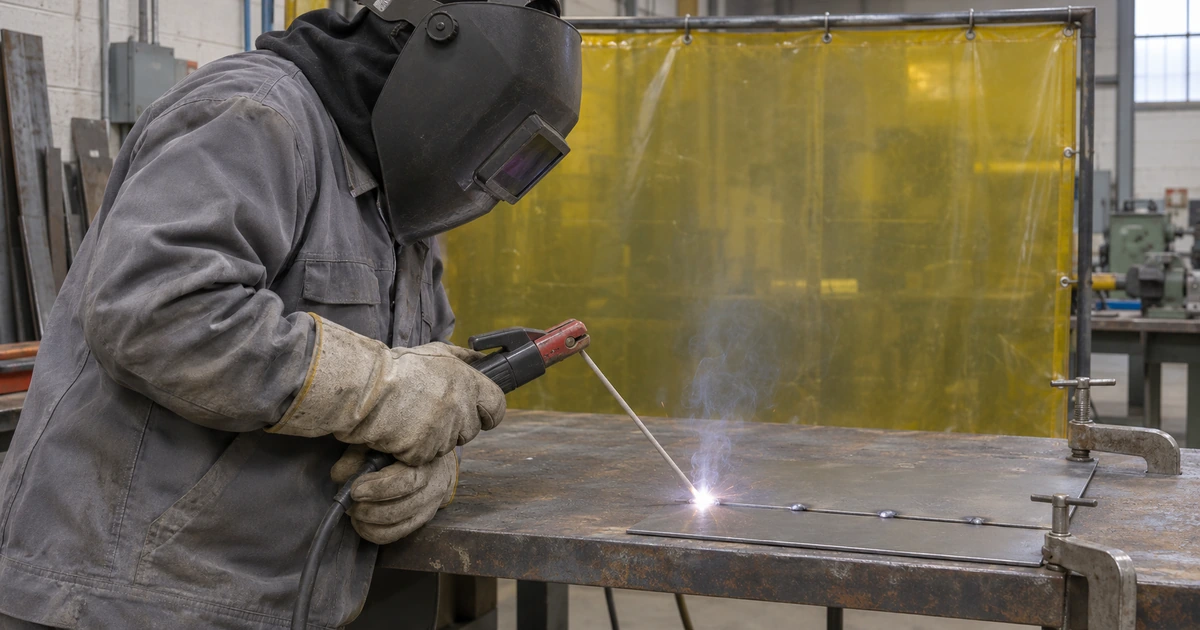
The Range at a Glance
- Fincord-M: medium-coated rutile, E6013. Very easy to use in all positions and on AC or DC
- Overcord-S: thick-coated rutile, E6013. Suited to small welds and light structures in thin sheet
- Citoflux: acid-rutile, E6013/E6020. High welding speed for general fabrication
- Leucord-B: medium-coated acid-rutile, E6013. General light fabrication work
- Leucorapid: thick-coated acid-rutile. Fast deposition and good tensile strength for general construction
- Citofine-C: oxide type. Clean, slightly concave bead, suited to thin sheet
- Citorex 8: rutile-basic, E6013. Particularly suited to root passes and difficult positions
The data above summarises the original product information. Classifications and approvals change over time, so always confirm them on the current manufacturer datasheet before an electrode goes into a WPS.
Choosing Between Them
- Thin sheet and light work: thick-coated rutile or oxide type for a smooth, controlled arc
- All-position site work: medium-coated rutile
- Long flat runs where speed matters: acid-rutile
- Roots and difficult access: rutile-basic
Storage is simple compared with basic electrodes, but rutile electrodes still need to be kept dry. Damp rutile electrodes give a rough arc, more spatter and porosity.
Diameter and Current
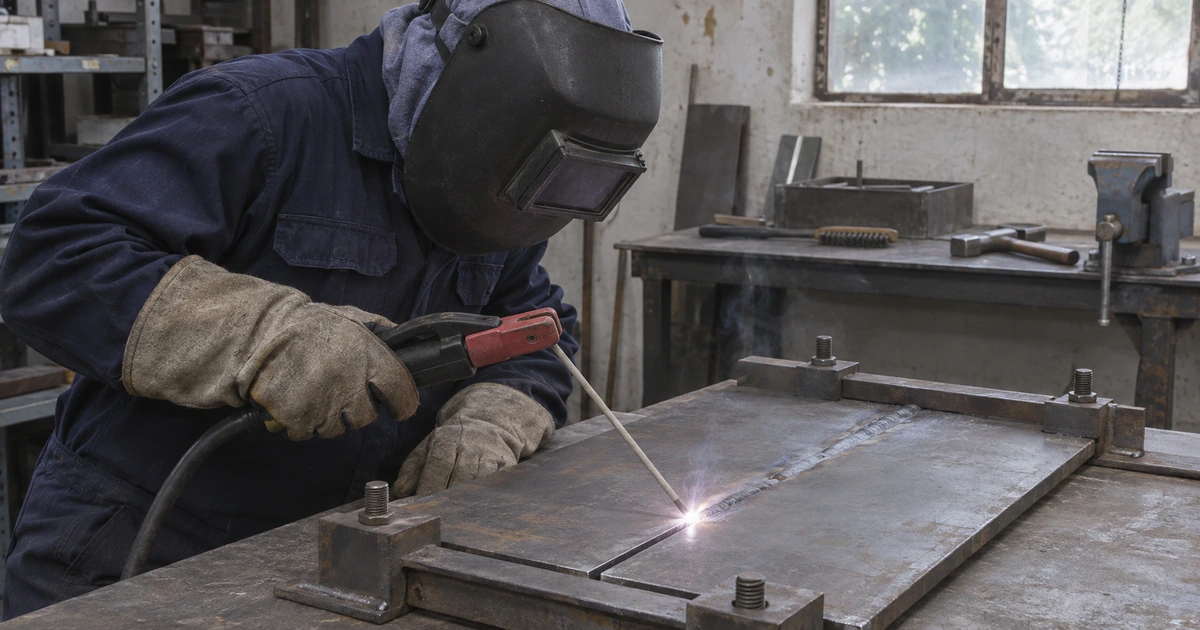
Most general work uses 2.5 mm and 3.25 mm electrodes, with 2.0 mm for thin sheet and 4.0 mm for heavier sections in the flat position. Current is set within the range on the packet and adjusted for position, with lower current for vertical-up and overhead welding.
Where Rutile Electrodes Stop
Rutile electrodes are not low-hydrogen. For thick sections, high-strength steels, pressure parts and impact requirements at low temperature, a basic E7018 type is used instead. TWI explains the coating families in its guide to MMA welding.
From My Experience
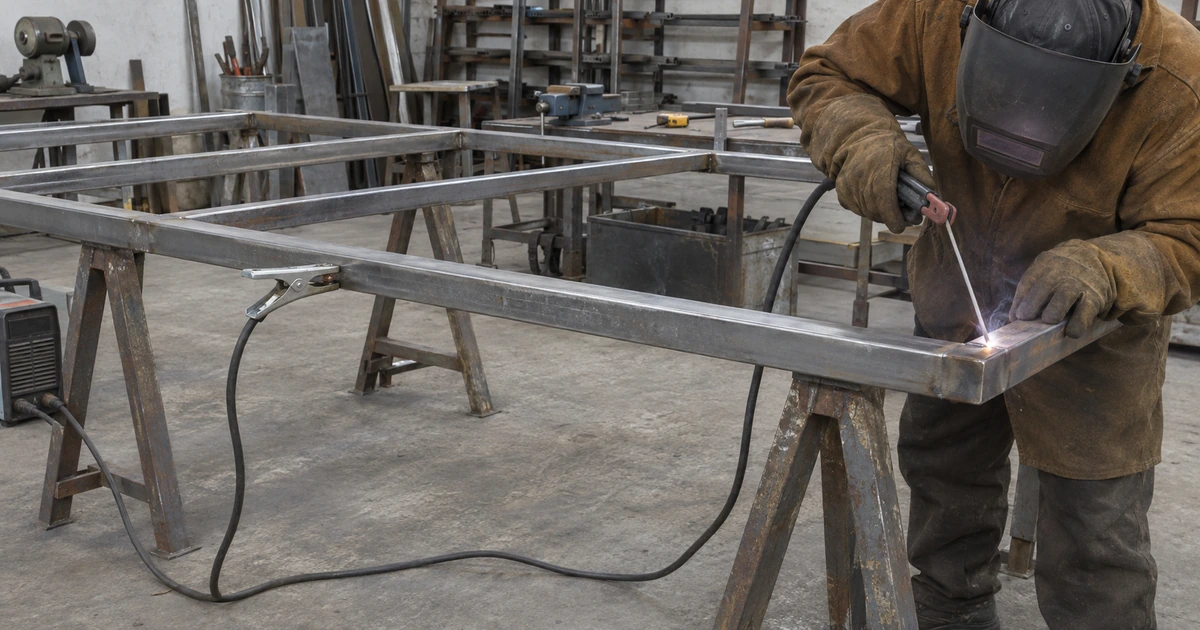
For light fabrication, tacking and maintenance, a good medium-coated E6013 is hard to beat. When a joint needs a reliable root in an awkward position, I prefer a rutile-basic type. And when the drawing calls for impact values, rutile is put aside completely.
Conclusion
Rutile electrodes cover most everyday steel work, and choosing the right coating makes the job easier and the weld better. For the wider picture, see steel welding electrodes and Navacito rutile electrode.
If you found this article useful, feel free to share it with colleagues who work with welding electrodes. — Zisis
Need Help on a Project?
For MMA/SMAW welding on marine and industrial work, see MMA/SMAW Welding or request a quote.