

Annealing, Quenching and Tempering
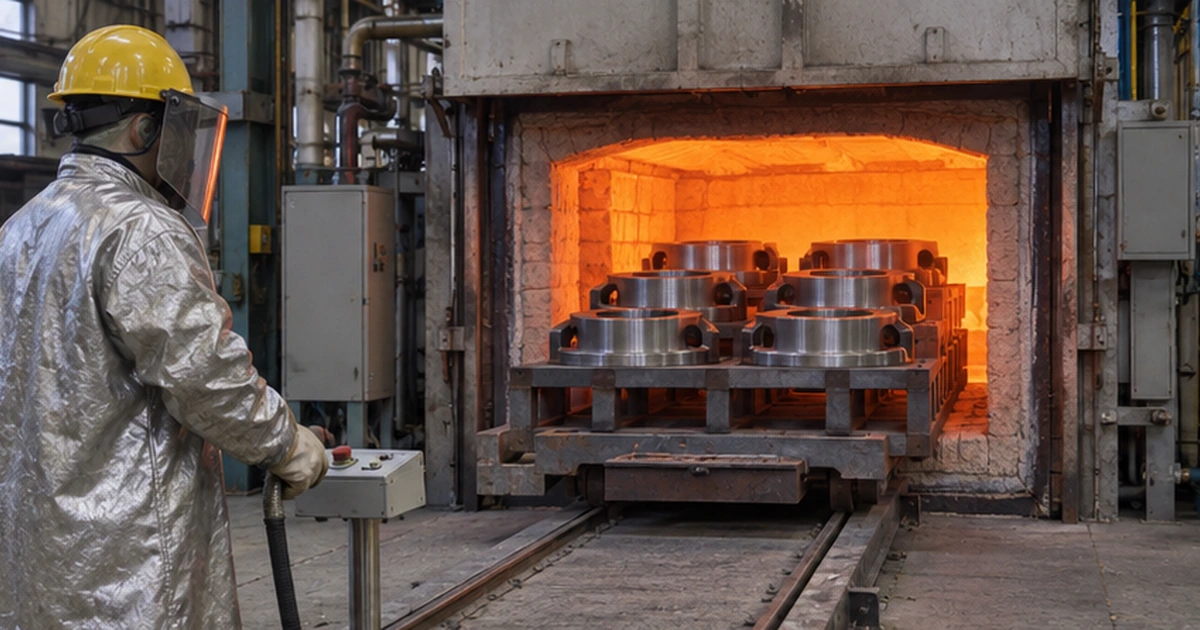
Annealing, quenching and tempering are heat treatments that change the grain structure and properties of steel. In a heat treatment shop they are done under control. In welding, the heat of the arc does some of the same things to the joint whether we plan it or not, and that directly affects strength and toughness.
Quenching
Quenching is rapid cooling, usually in water or oil. The steel has no time to transform normally, so it becomes hard but brittle. On hardenable steels, a welder who drops a hot part into water to cool it faster is quenching the joint and can cause cracking.
Tempering
Tempering reheats a hardened steel to a temperature below the lower critical point, then cools it. It reduces hardness and brittleness and restores toughness. For the constructional steels a welding engineer deals with, tempering is generally carried out between 550 and 760 °C, depending on composition, as explained in TWI’s comparison of tempering and annealing.
Full Annealing
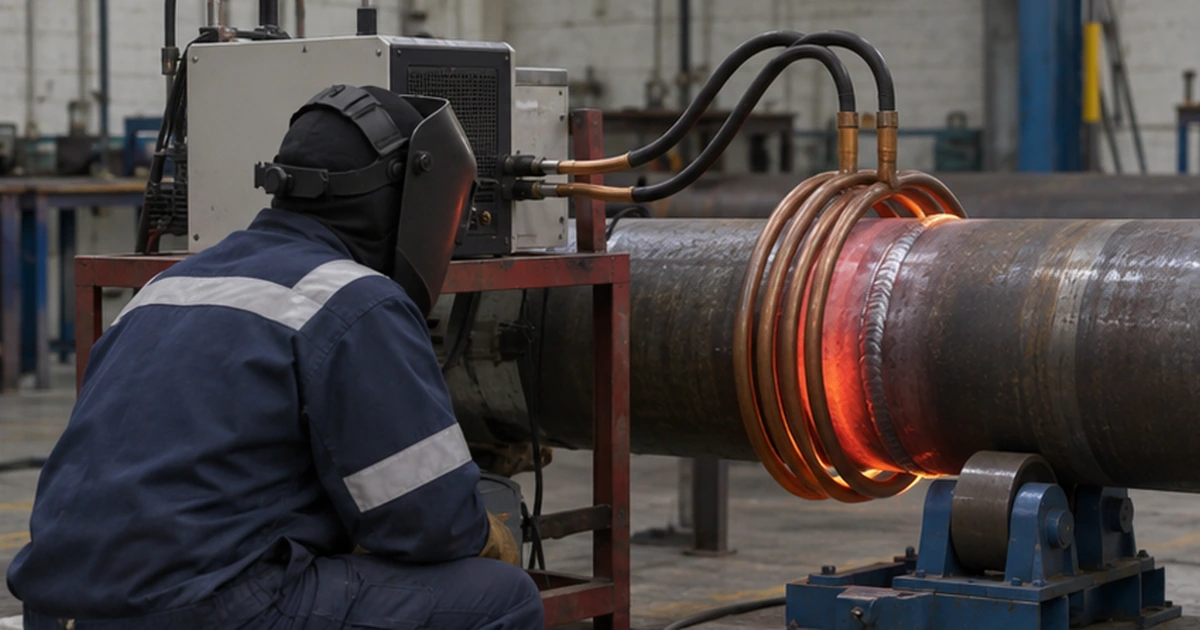
Full annealing heats the steel to about 40–50 °C above A3 for hypoeutectoid steels, or above A1 (727 °C) for hypereutectoid steels, holds it, then cools it very slowly, usually in the furnace. The aim is a balanced microstructure and better machinability.
- Burnt steel: annealed at too high a temperature (above about 1,100 °C), so impurities melt at the grain boundaries. It cannot be recovered and must be scrapped.
- Overheated steel: held too long at high temperature, so the grains grow coarse and the steel becomes brittle. It can be recovered by heating just above A3 for a short time and cooling to room temperature.
Annealing After Cold Work
Annealing of cold-worked metal takes place in three stages:
- Recovery, at roughly 0.3 Tm (Tm = melting temperature): internal defects rearrange, hardness drops slightly and ductility improves a little.
- Recrystallisation, above roughly 0.4 Tm: new, almost defect-free grains form and hardness falls sharply.
- Grain growth, with longer time at temperature: grains grow larger, and hardness and strength fall further.
Annealing is often done in a protective or reducing atmosphere to prevent surface oxidation.
What This Means on the Job
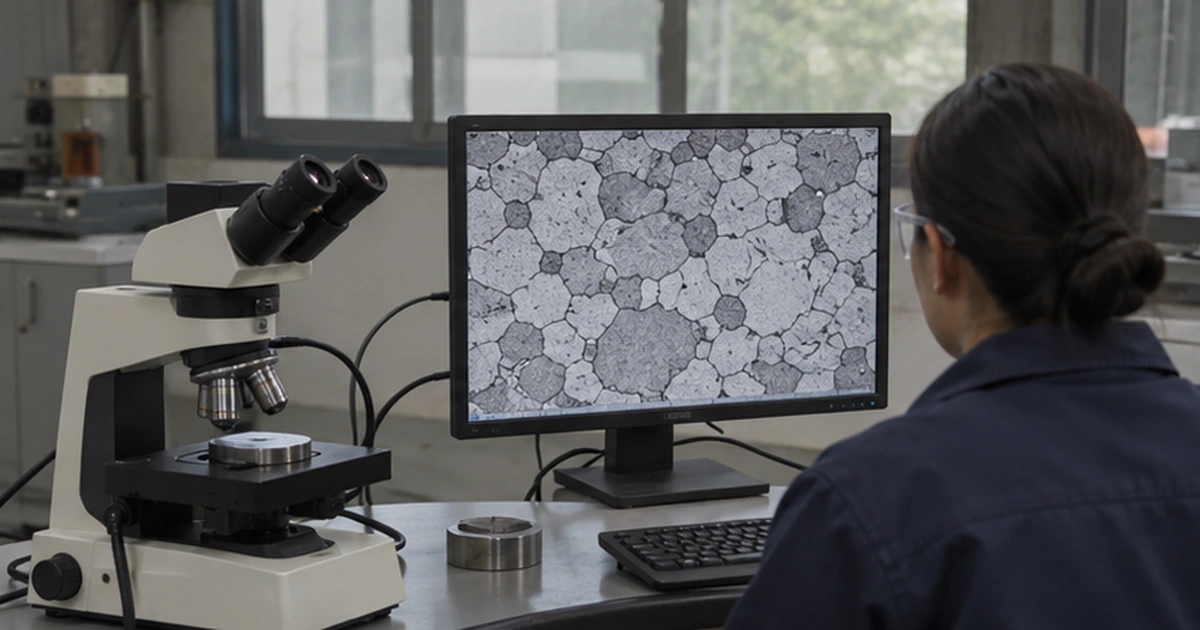
On thick sections and hardenable steels, controlled preheat, slow cooling and, where the code requires it, post-weld heat treatment (PWHT) protect the joint. My ship rudder crack repair is one example where heating was part of the repair procedure.
Normalising
Normalising heats steel above the upper critical temperature and cools it in still air. It refines a coarse grain structure and gives more uniform properties than the as-rolled or as-welded condition. It is used on forgings, castings and some welded components.
Post-Weld Heat Treatment
Post-weld heat treatment, or stress relief, reduces and redistributes the residual stresses left by welding. A common guideline is to soak the joint at peak temperature for one hour per 25 mm of thickness, though codes may set a minimum. Heating and cooling rates above about 350–400 °C are also controlled, because uneven heating causes distortion.
Hardness Checks
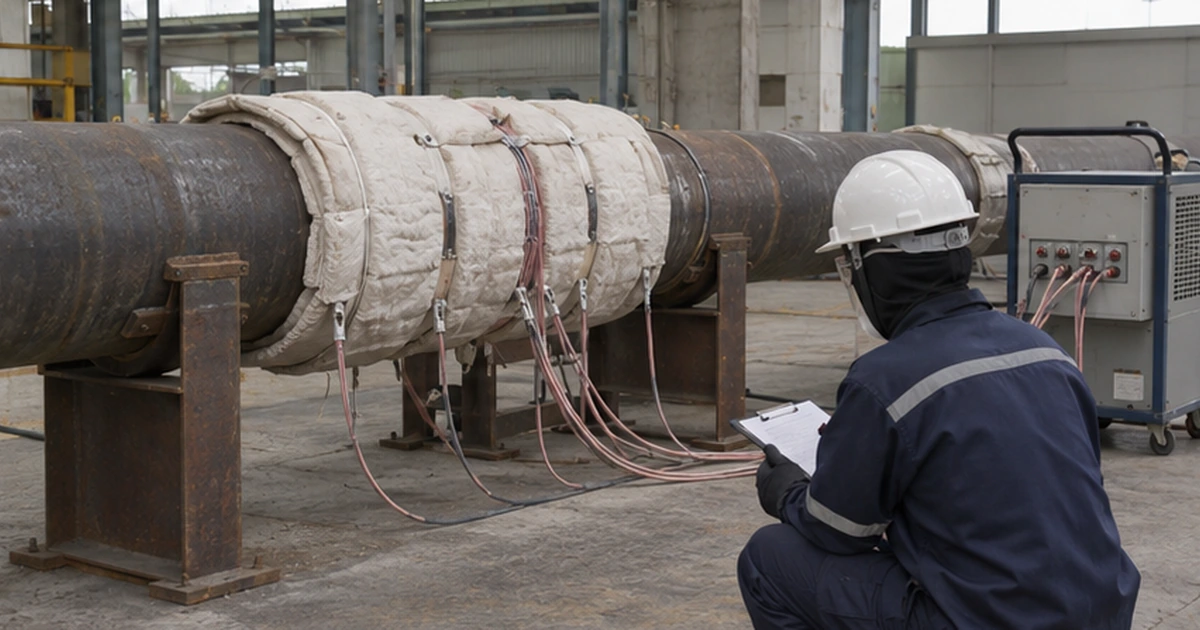
On hardenable and low-alloy steels, codes often set a maximum hardness in the heat-affected zone, commonly checked during procedure qualification. A high reading points to cooling that was too fast, and the usual remedies are more preheat, higher heat input within the WPS, or PWHT.
From My Experience
On thick-section repairs, I treat heat control as part of the welding itself, not as an extra. On the rudder crack repair in Tuzla, heating was built into the repair procedure, and the section was checked by visual, ultrasonic and penetrant testing before it was accepted.
Conclusion
Quenching hardens, tempering restores toughness and annealing softens. A welder who understands the three avoids brittle joints, and never cools a weld on hardenable steel in water.
If you found this article useful, feel free to share it with colleagues who work with heat treatment. — Zisis
Need Help on a Project?
For specialized welding on demanding materials on marine and industrial work, see Specialized Welding or request a quote.