

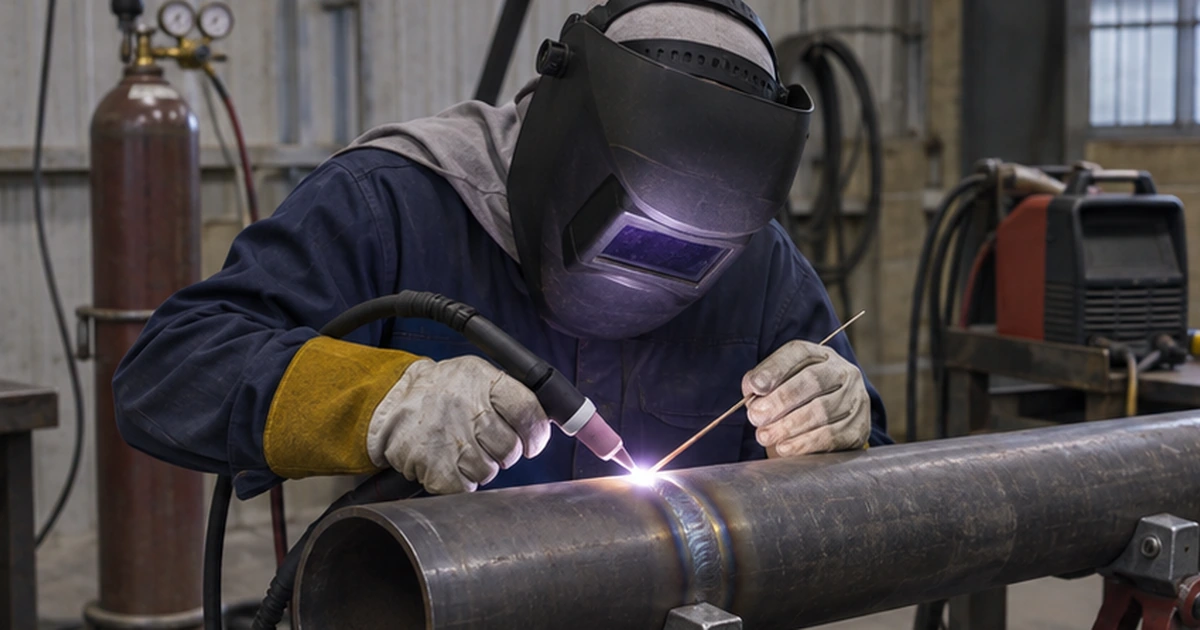
What a Professional Welder Is
A professional welder joins metal parts using processes such as TIG, MIG/MAG, MMA and flux-cored welding, to a standard that is defined, inspected and documented. The work is critical in shipbuilding and ship repair, energy and pipelines, construction, manufacturing and process plants. What separates a professional welder from someone who can weld is consistency: the same quality on every joint, in every position, under real site conditions.
Daily Responsibilities
- Preparing materials: cutting, bevelling, cleaning and fitting up parts
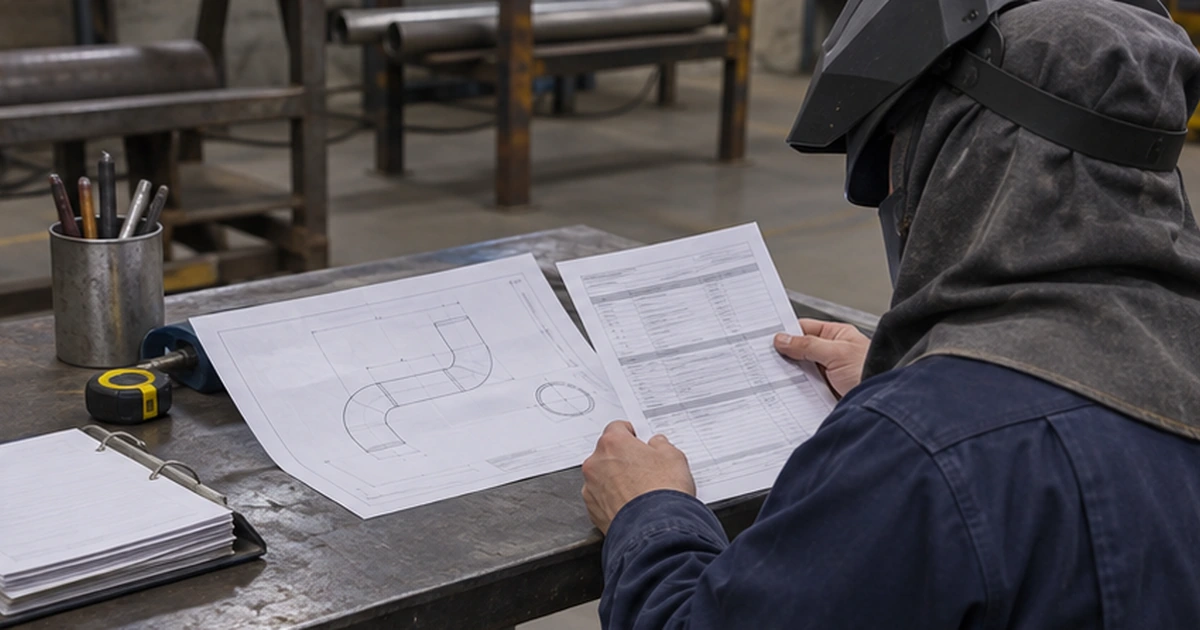
- Reading drawings, welding symbols and welding procedure specifications (WPS)
- Setting up equipment and choosing consumables to suit the procedure
- Welding in the required positions, from flat to overhead and fixed pipe
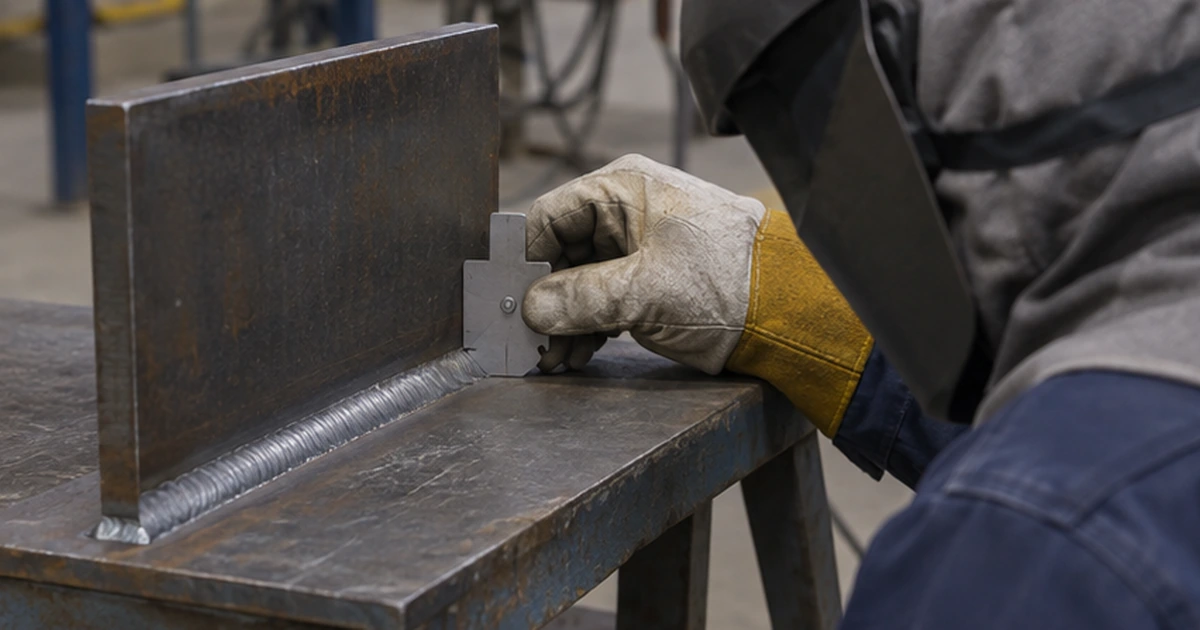
- Checking welds visually and correcting defects
- Maintaining equipment and keeping records
- Working safely, often in confined spaces, at height or near live plant
Qualification and Certification
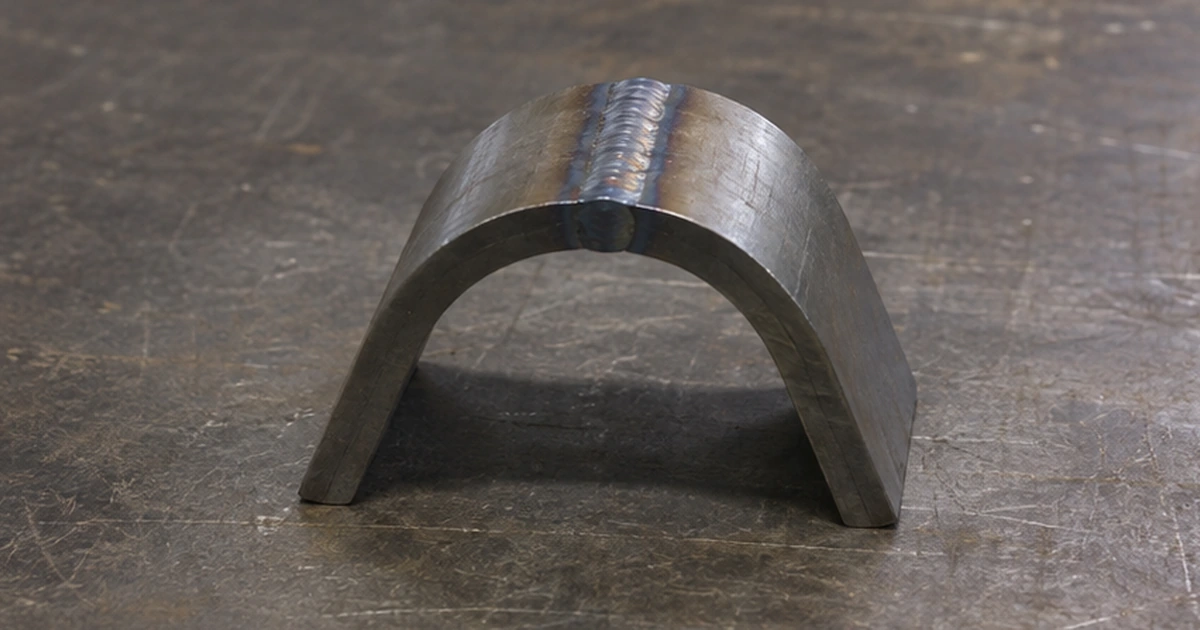
Professional welders are tested and certified for the processes, materials, thicknesses and positions they weld. In Europe, the main standard is EN ISO 9606-1 for steels, with other parts for aluminium, copper and nickel. A test coupon is welded under supervision and examined by visual inspection, bend tests, radiography or fracture tests. The certificate must be kept valid through continuous work and periodic revalidation. Pipe and pressure work often require additional qualifications from the client or classification society.
Skills That Matter
Hand skill is the foundation, but it is not enough. A professional welder needs to understand how heat affects each material, why preheat and interpass limits exist, and what causes cracks or porosity. They must read a procedure and follow it exactly, communicate with inspectors and engineers, and know when to stop and ask. Physical stamina, steady hands, good eyesight and patience matter as much as technical knowledge.
Quality and Responsibility
Welds hold ships together, contain pressure and carry loads. A defect hidden under paint can lead to a leak, a fire or a structural failure years later. That responsibility is why professional welding includes documentation, traceability and inspection. Good welders take pride in welds that pass radiography first time, not in welds that only look good on the surface.
In Practice
Welders who progress fastest are usually the ones who ask why a procedure says what it says. Once the reason behind a preheat or an interpass limit is understood, the same mistake is rarely made twice.
Conclusion
A professional welder combines skill, knowledge and discipline to produce welds that meet a standard every time. For the documents that guide the work, see welding procedure specification and welder licence in Greece.
If you found this article useful, feel free to share it with colleagues who work with young welders. — Zisis
Need Help on a Project?
For welding supervision and quality control on marine and industrial work, see Welding Supervision or request a quote.