

Three Ways to Join Metal
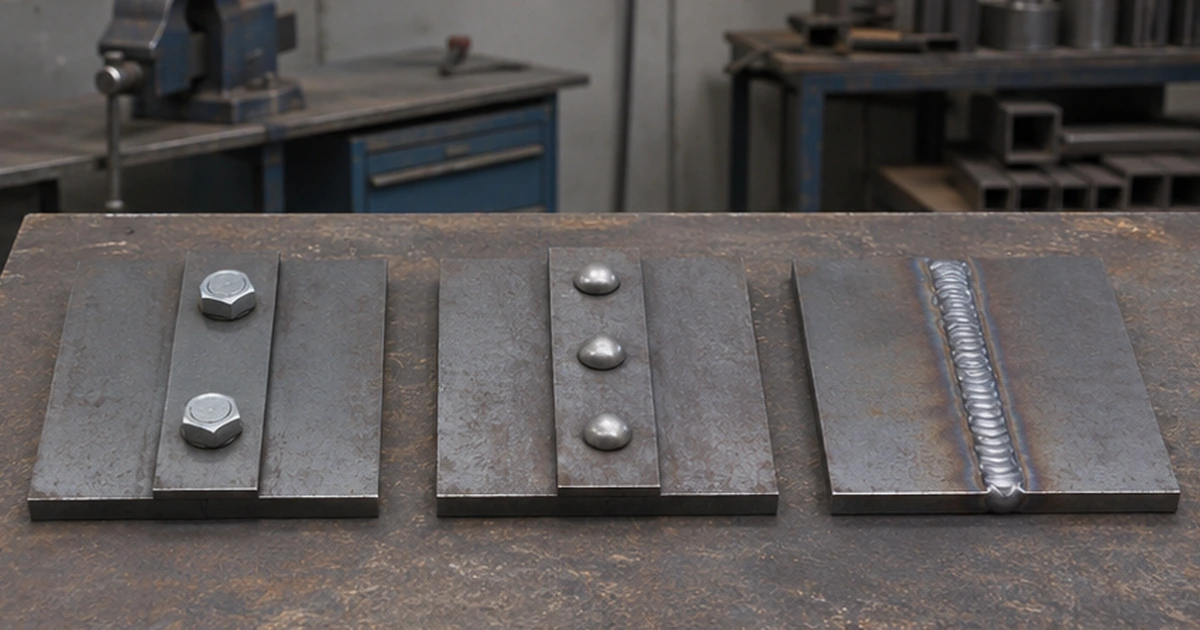
Metal parts can be joined in three main ways. Riveting and bolting are mechanical joints: bolts can be removed, rivets can be drilled out. Welding is different. It creates a permanent joint in which the parts become one continuous piece of metal. That gives welded structures their strength, tightness and lower weight, but it also means the joint cannot be undone without cutting.
What Is Welding?
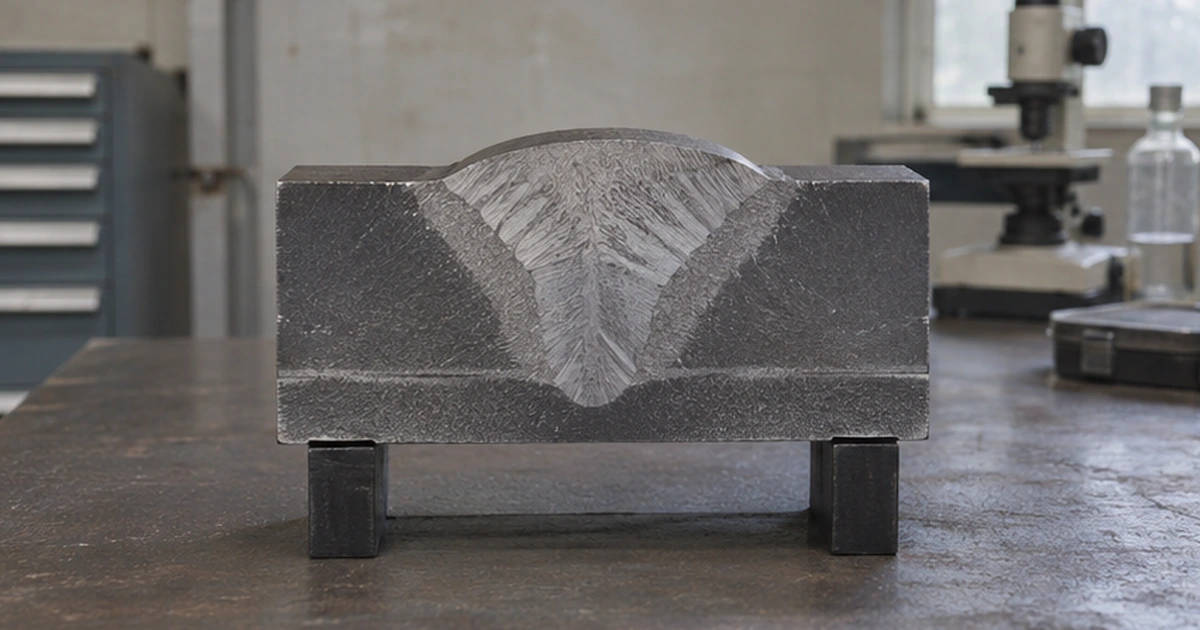
Welding is the permanent joining of two or more metal parts by heat, pressure or both, with or without a filler metal. In fusion welding, the edges are heated until they melt and mix, and the molten metal solidifies into a weld. In pressure welding, the metal is brought to a plastic state and forced together, so the atoms bond across the interface without full melting.
The Main Families of Welding Processes
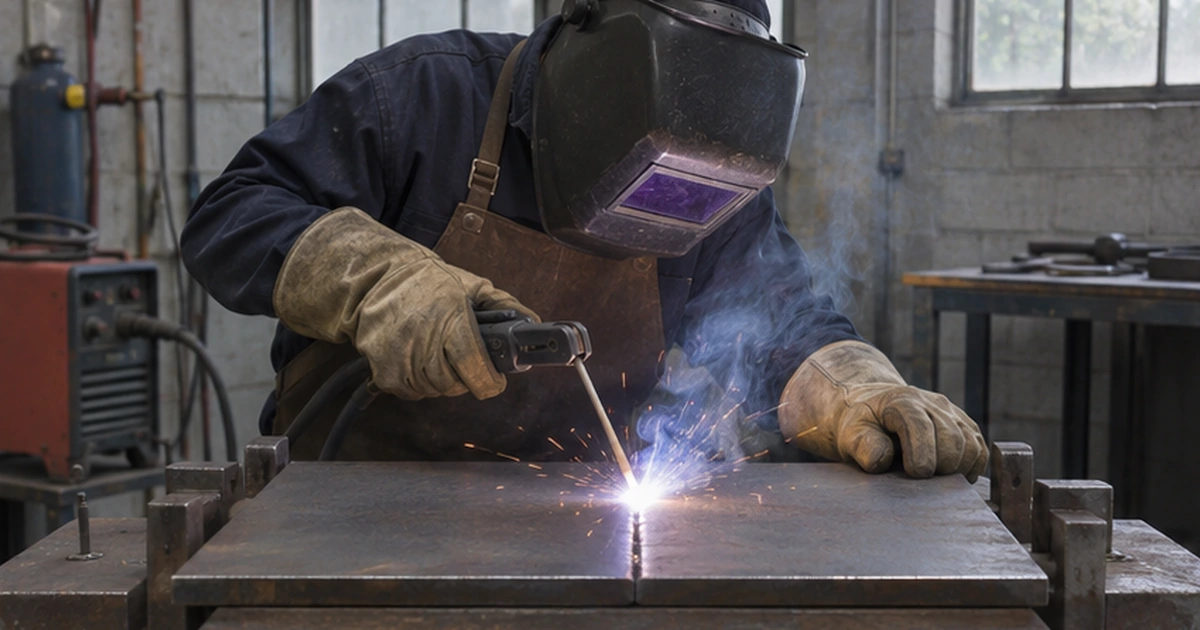
- Arc welding: an electric arc provides the heat. Includes MMA (stick), MIG/MAG, TIG, flux-cored and submerged arc welding.
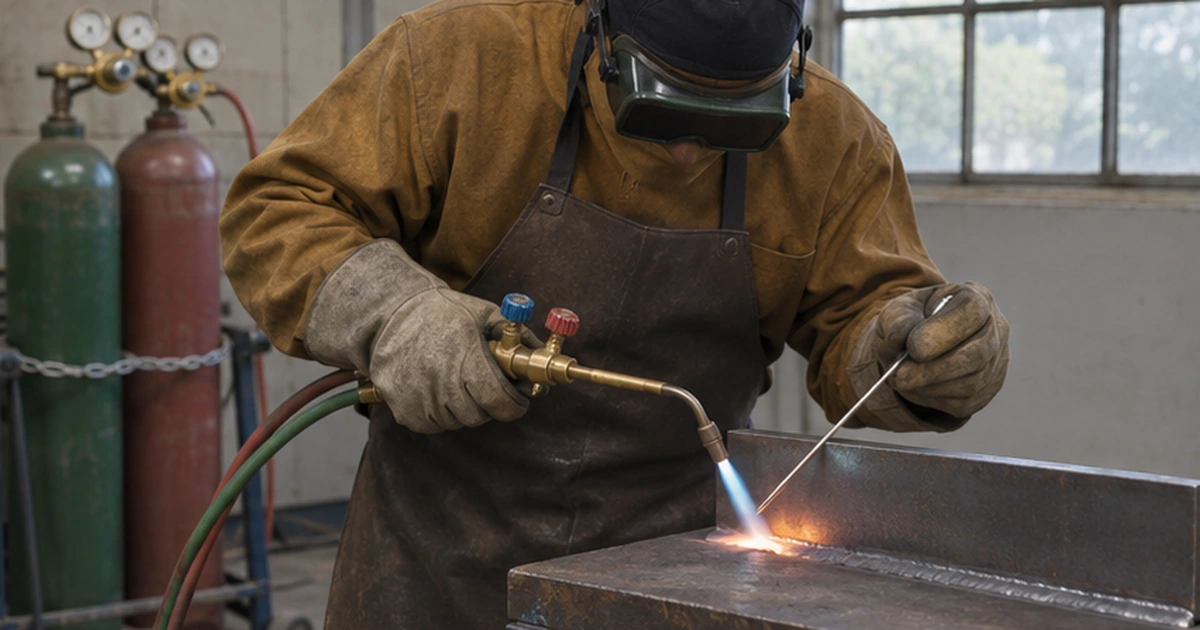
- Gas welding: a flame, usually oxygen and acetylene, melts the metal. Today mainly used for repairs, thin sheet and brazing.
- Resistance welding: current and pressure join overlapping sheets, as in spot and seam welding.
- Solid-state welding: friction, friction stir and explosion welding join metals without melting them.
- High-energy beam welding: laser and electron beam welding for precise, deep, narrow welds.
What Makes a Good Weld
A good weld fully fuses with the base metal, has the correct size and profile, and is free from cracks, porosity, slag and lack of fusion. Its mechanical properties, such as strength and toughness, must match the design. Achieving that depends on four things: the right process and consumable for the material, good joint preparation, correct settings and a skilled welder.
Rules That Apply to Every Weld
- Know the material and choose filler metal to suit it
- Clean the joint: rust, paint, oil and moisture cause defects
- Prepare and fit up the joint to the drawing, with the right gap and bevel
- Follow the welding procedure for current, heat input, preheat and sequence
- Protect the weld pool from air with gas or flux
- Inspect the result, visually first and by testing where required
- Work safely: ventilation, PPE, fire watch and electrical safety
In Practice
Most weld defects found on inspection go back to a dirty joint, a wrong gap or a setting nobody checked, not to a lack of hand skill. Time spent on preparation and on reading the procedure pays back more than time spent on the arc.
Conclusion
Welding joins metal permanently by heat and pressure, through a family of processes suited to different materials and jobs. For the arc in detail, see how arc welding produces heat and welding defects and prevention.
If you found this article useful, feel free to share it with colleagues who work with apprentices and new welders. — Zisis
Need Help on a Project?
For specialized welding on demanding materials on marine and industrial work, see Specialized Welding or request a quote.