

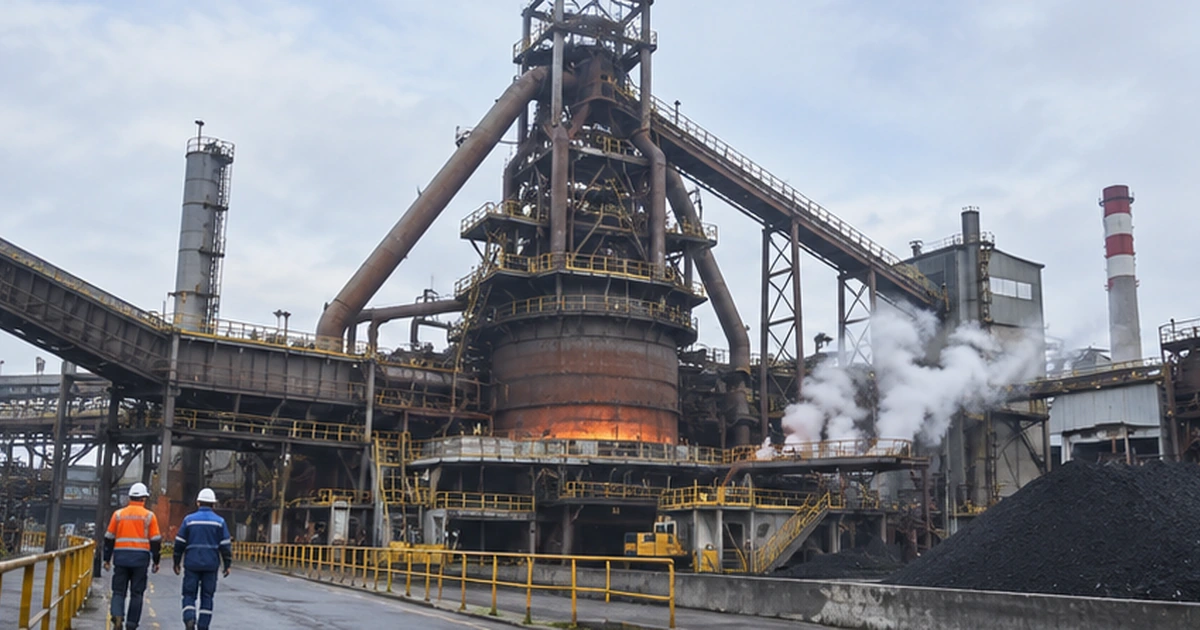
Why Steelmaking Emits So Much CO2
Steel production is responsible for roughly 7% of global CO2 emissions. Most of it comes from the blast furnace route, where iron ore is reduced to iron using coke made from coal. The carbon takes the oxygen from the ore and leaves as CO2. Roughly two tonnes of CO2 are emitted for every tonne of steel made this way.
What Is Green Steel?
Green steel is steel made with a much lower carbon footprint than the conventional blast furnace route. There is no single legal definition yet; producers and standards bodies use different thresholds and labels. In general, green steel relies on one or more of three approaches: replacing coal with hydrogen, using recycled scrap in electric furnaces, and powering production with renewable electricity.
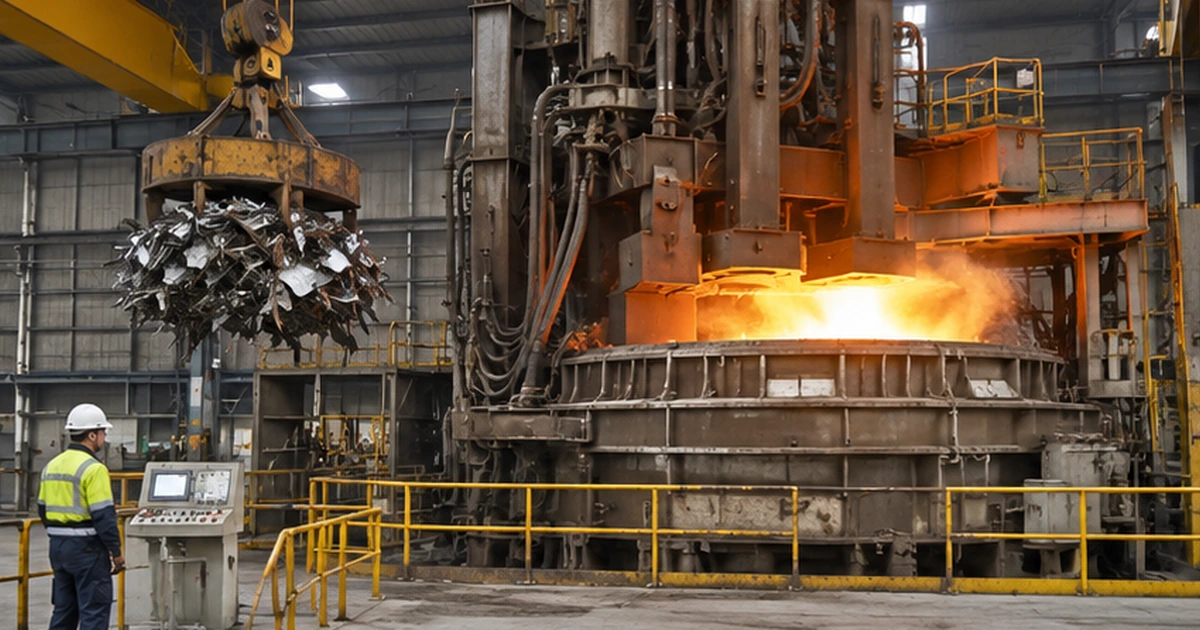
The Main Routes to Lower-Carbon Steel
- Hydrogen direct reduction: hydrogen, instead of carbon, removes oxygen from iron ore, producing water vapour rather than CO2; the resulting sponge iron is melted in an electric furnace
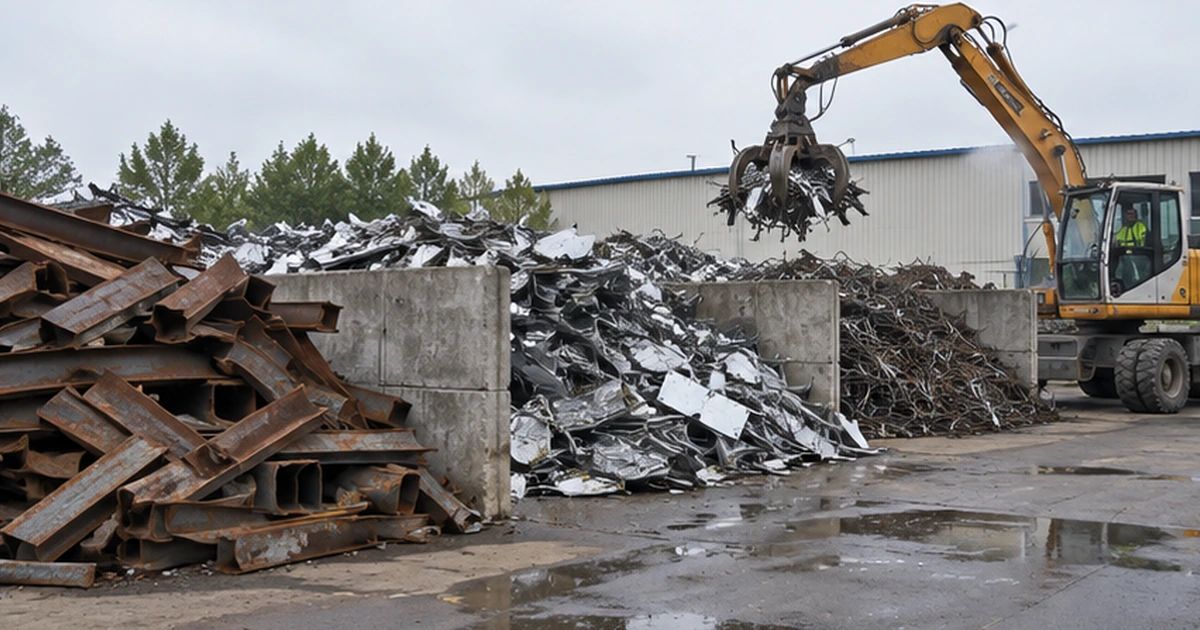
- Electric arc furnace (EAF) with scrap: recycled steel is melted with electricity, emitting far less CO2 than the blast furnace route, especially with renewable power
- Carbon capture: CO2 from conventional plants is captured and stored or reused; still at an early stage
- Efficiency and fuel switching: natural gas and process improvements reduce emissions in existing plants
Challenges
Green hydrogen is still expensive and requires large amounts of renewable electricity. Scrap supply is limited and its quality varies, as copper and other residual elements can be difficult to remove. New plants need major investment. As a result, green steel currently carries a price premium, although regulation, such as the EU carbon border adjustment mechanism, is pushing the market in that direction.
What Changes for Fabricators and Welders
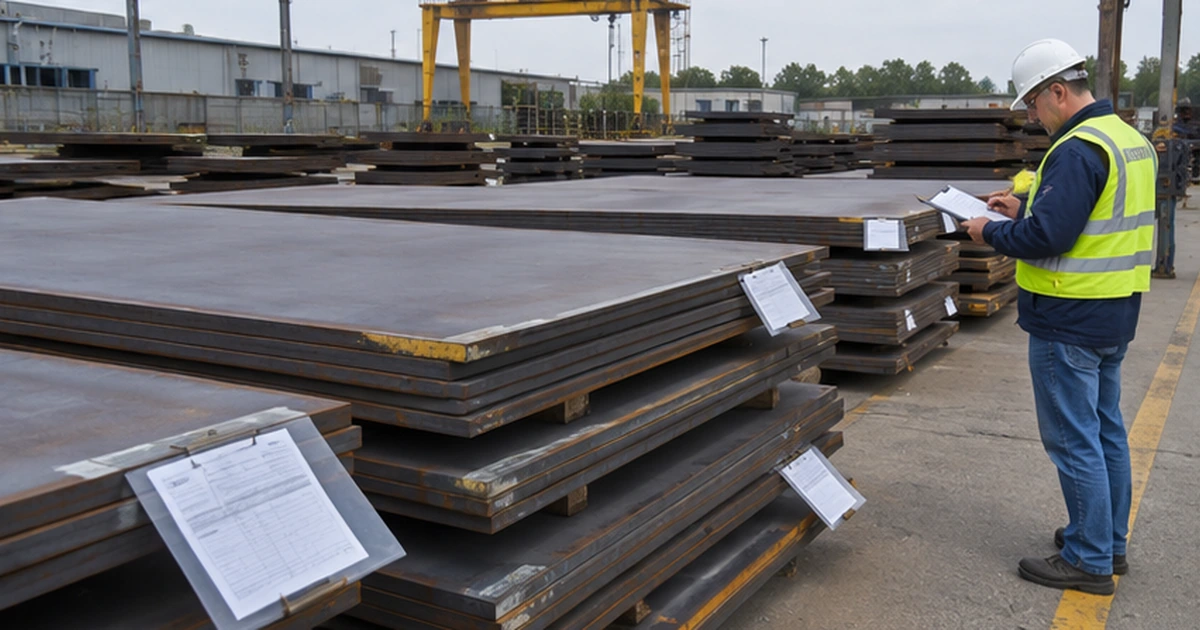
For the welder, green steel is still steel. Grades such as S355 or AH36 must meet the same standards whatever the production route, so welding procedures stay the same. Steel from scrap-based electric furnaces can contain slightly higher residual elements, which may affect hardenability on some grades, so the mill certificate remains the key document. Clients may increasingly ask for environmental product declarations alongside the usual material certificates.
From My Experience
On every job, I check the material certificate before welding: grade, heat number, chemistry. That habit does not change with green steel. If anything, it becomes more important as new production routes and suppliers enter the market.
Conclusion
Green steel aims to cut the large carbon footprint of steelmaking through hydrogen, recycling and clean electricity. For welders, the grade and certificate still decide the procedure. See also hot-rolled vs cold-rolled steel.
If you found this article useful, feel free to share it with colleagues who work with the steel industry. — Zisis
Need Help on a Project?
For specialized welding on demanding materials on marine and industrial work, see Specialized Welding or request a quote.