

What Rebar Is
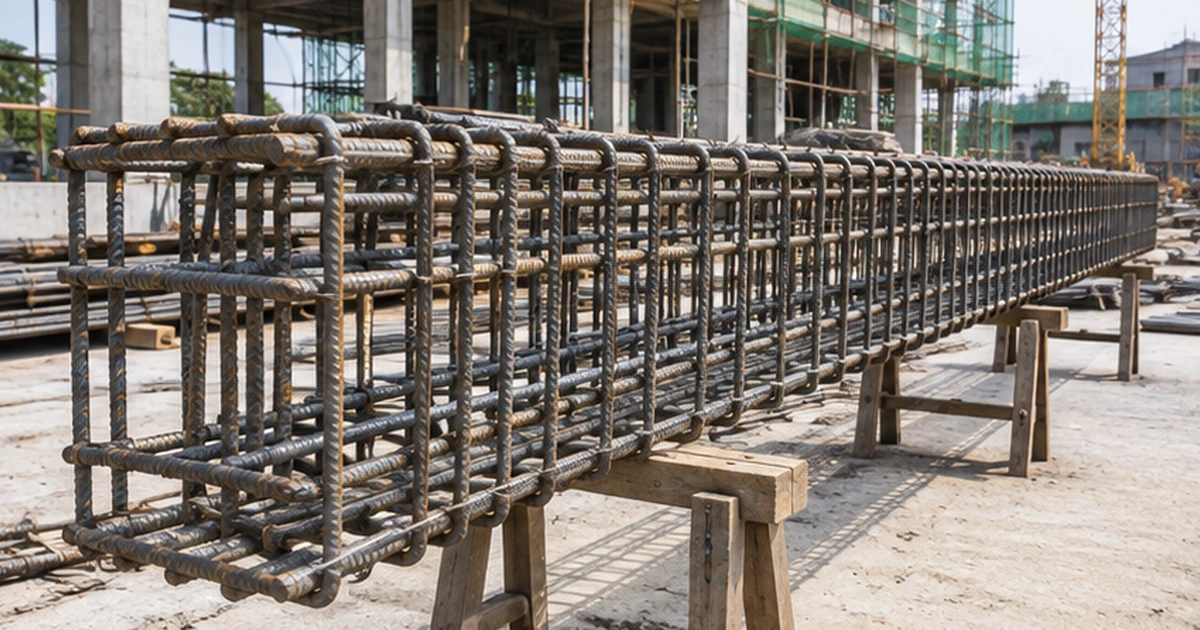
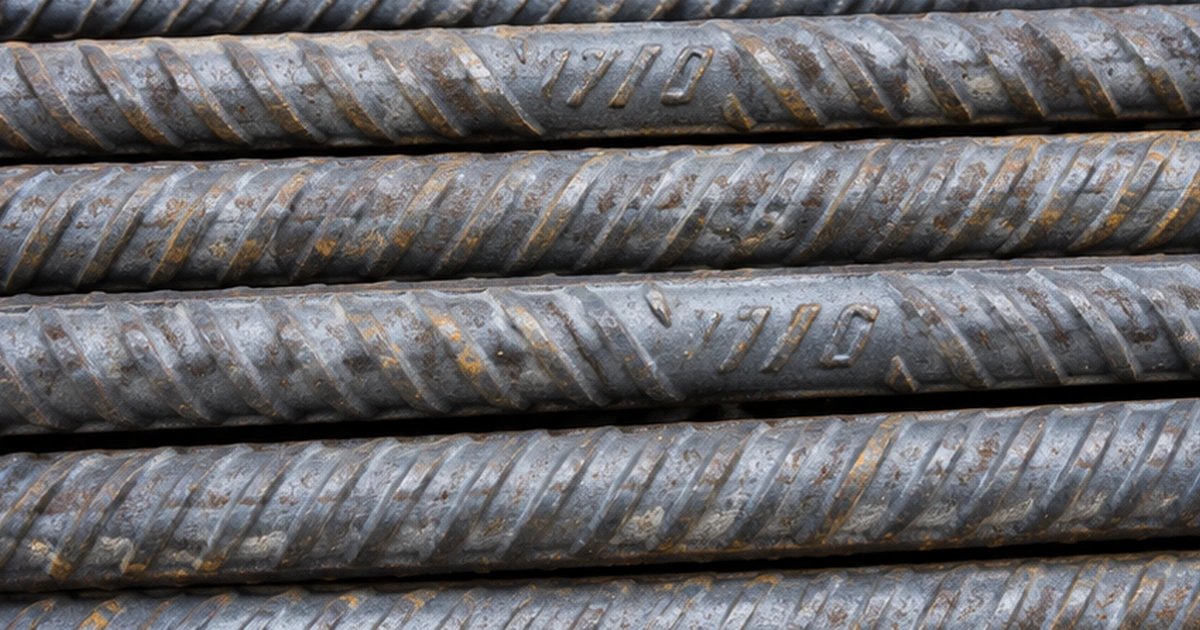
Rebar is ribbed steel bar used to reinforce concrete. Concrete is strong in compression but weak in tension; the steel carries the tensile loads. The ribs lock the bar into the concrete. Rebar is supplied as straight bars, coils and welded mesh in diameters from about 6 to 40 mm.
Rebar Grades in Europe and Greece
In Europe, reinforcing steel is covered by EN 10080 and the design rules of Eurocode 2. The common grade is B500, with a characteristic yield strength of 500 MPa, in three ductility classes:
- B500A: lower ductility, mainly cold-worked wire and mesh
- B500B: normal ductility, general construction
- B500C: high ductility, required in seismic regions
In Greece, reinforcing steel was regulated by the KTX-2008 regulation, which aligned national practice with these European standards and made B500C the standard grade for main reinforcement in buildings. The current rules should always be checked for each project.
Is All Rebar Weldable?
No. Rebar welding is only allowed when the steel is declared weldable by its standard and certificate. Weldability depends mainly on the carbon equivalent (CEV), which combines carbon and alloying elements into one number. EN 10080 limits CEV for weldable bars, typically to about 0.50% or lower. Above that, the heat-affected zone can harden and crack.
Some bars get their strength from quenching and self-tempering during rolling, giving a hard outer layer and a softer core. Welding heat can change that structure, which is why procedures and qualified welders are required for structural rebar welding.
Rebar Welding Methods
- Lap welds: two bars overlapped and joined by fillet welds on one or both sides
- Butt welds: bars joined end to end, often with a backing or splice bar
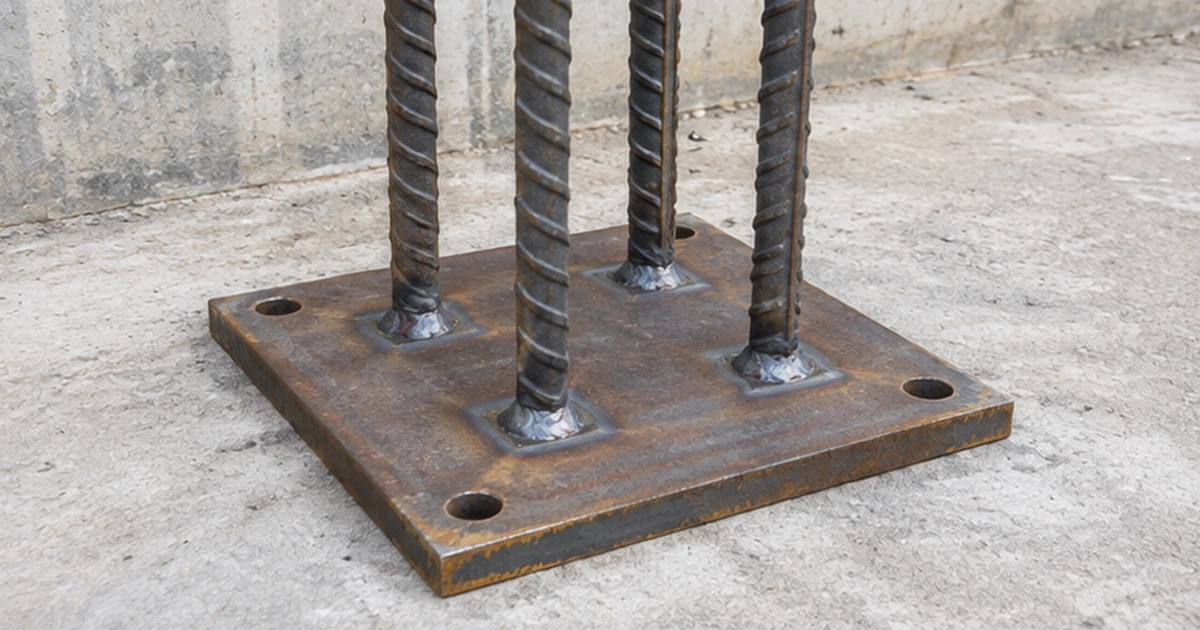
- Bar to plate: anchor plates, embeds and connections to steel members
- Tack welds for cages: only where the design and standard allow them, as tack welds can create local brittle spots
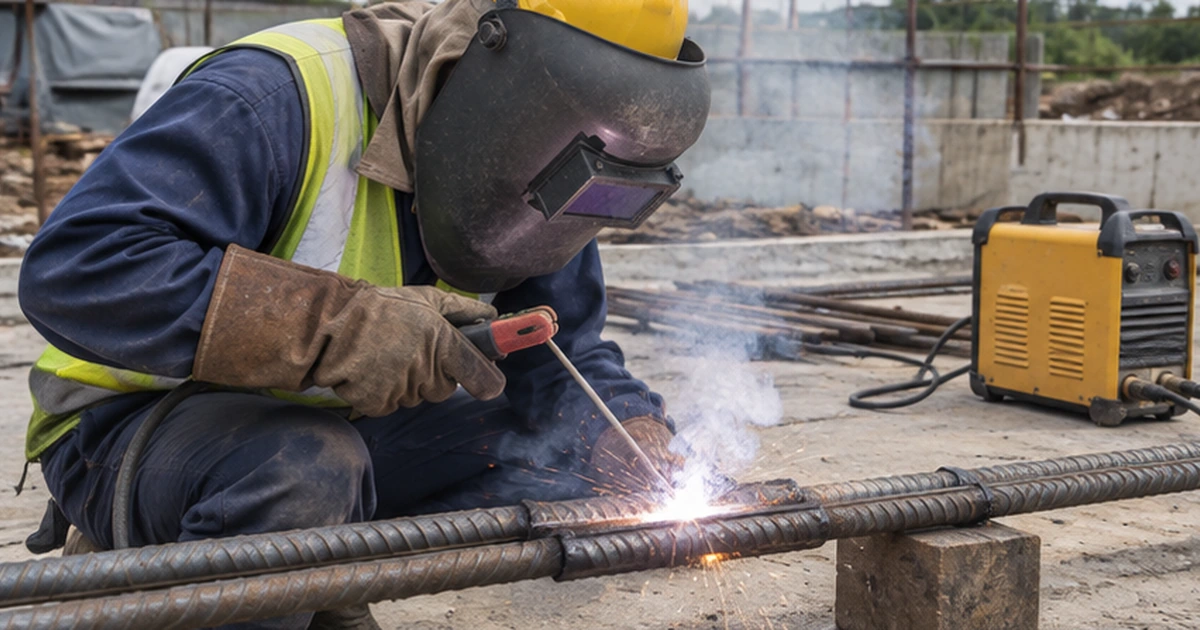
MMA with low-hydrogen electrodes and MAG with solid wire are the usual processes. Bars must be clean, dry and, in cold weather or for large diameters, preheated as required by the procedure. Welding close to bends is avoided, as the steel there has already been strained.
Common Mistakes
The most common mistakes are welding bars that are not declared weldable, tack welding main reinforcement to hold cages together, striking arcs on bars outside the weld, and welding wet or rusty bars. Each one can reduce ductility exactly where an earthquake demands it.
From My Experience
On construction jobs, I ask for the rebar certificate before welding anything structural. If the bar is not marked weldable, it gets tied or coupled, not welded. Concrete hides everything, so the decision has to be right before it is poured.
Conclusion
Rebar welding is safe and useful when the steel is weldable, the procedure is qualified and the work is done by trained welders. For electrode choice, see steel welding electrodes.
If you found this article useful, feel free to share it with colleagues who work with construction. — Zisis
Need Help on a Project?
For MMA/SMAW welding on marine and industrial work, see MMA/SMAW Welding or request a quote.