

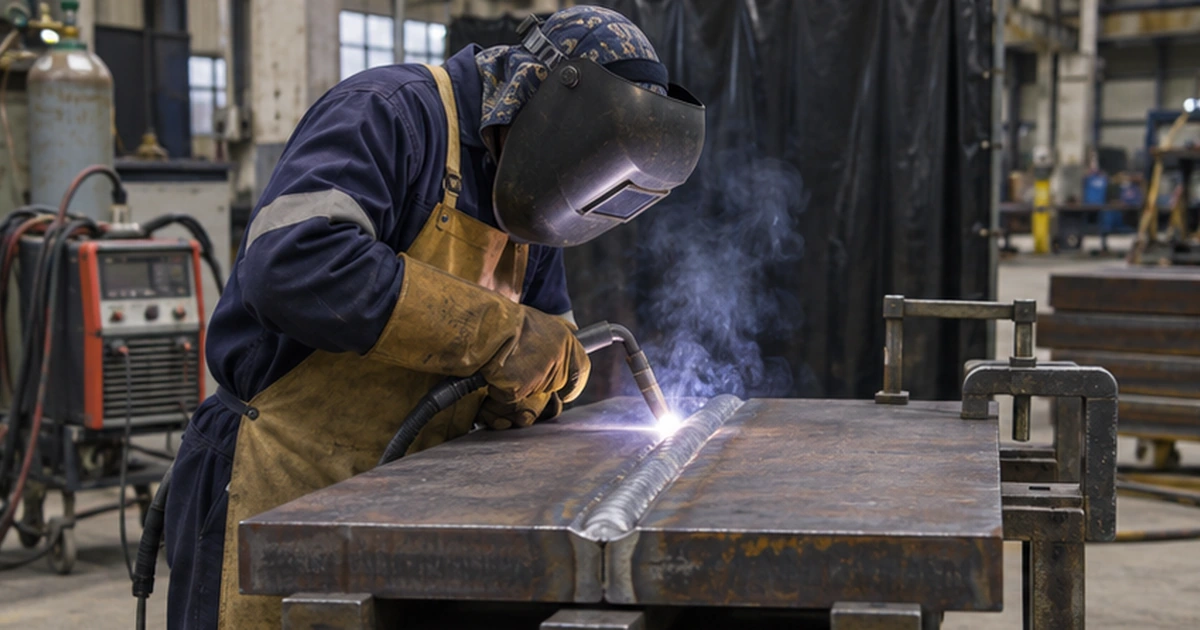
WPS, PQR and Welder Qualification
Three documents work together in qualified welding. The welding procedure specification (WPS) tells the welder how to weld. The procedure qualification record (PQR), called a WPQR in European standards, proves that the procedure produces welds with the required properties. The welder qualification shows that the person doing the welding has the skill to follow it.
A WPS for critical work cannot simply be written from experience. It must be backed by a PQR, or in some cases by other approved routes such as pre-qualified procedures.
How a Procedure Qualification Record Is Made
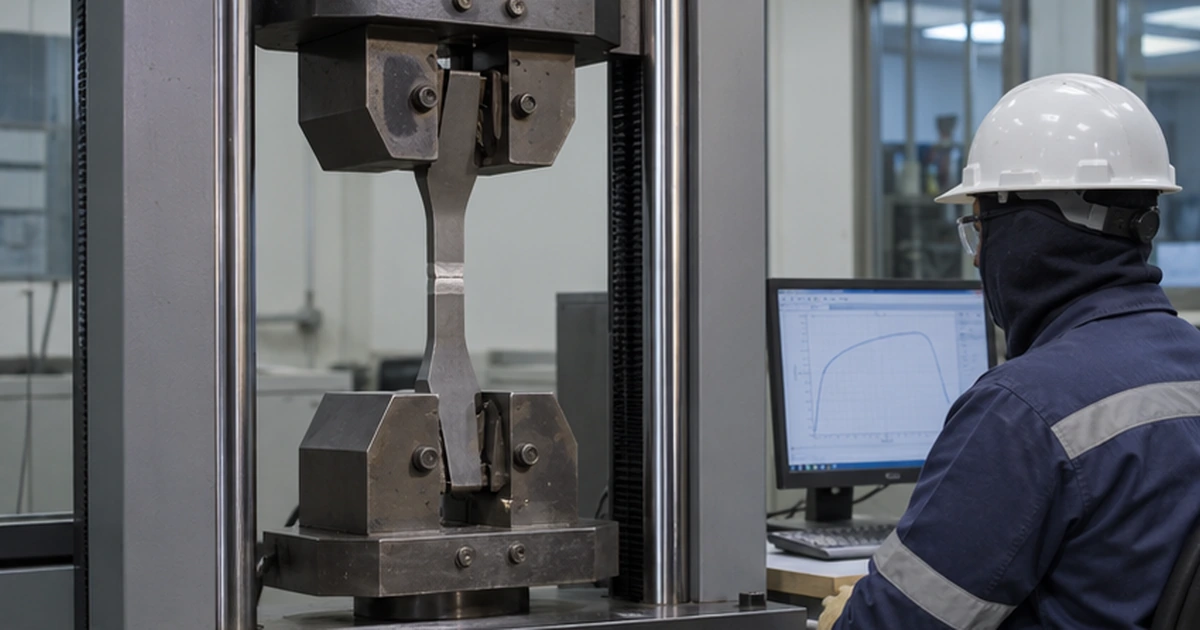
First, a preliminary procedure (pWPS) is drafted with the intended process, material, filler, joint design, position, preheat and heat input. A test piece is then welded following it, under the eye of an examiner or third-party inspector, who records the actual parameters: current, voltage, travel speed, interpass temperature and gas flow.
Testing the Test Weld
Under ISO 15614-1 for steels, or ASME Section IX in many projects, the test piece goes through a set of tests that depend on the material and application:
- Visual examination and surface crack testing
- Radiographic or ultrasonic testing of the full weld
- Transverse tensile tests across the weld
- Bend tests to check ductility and fusion
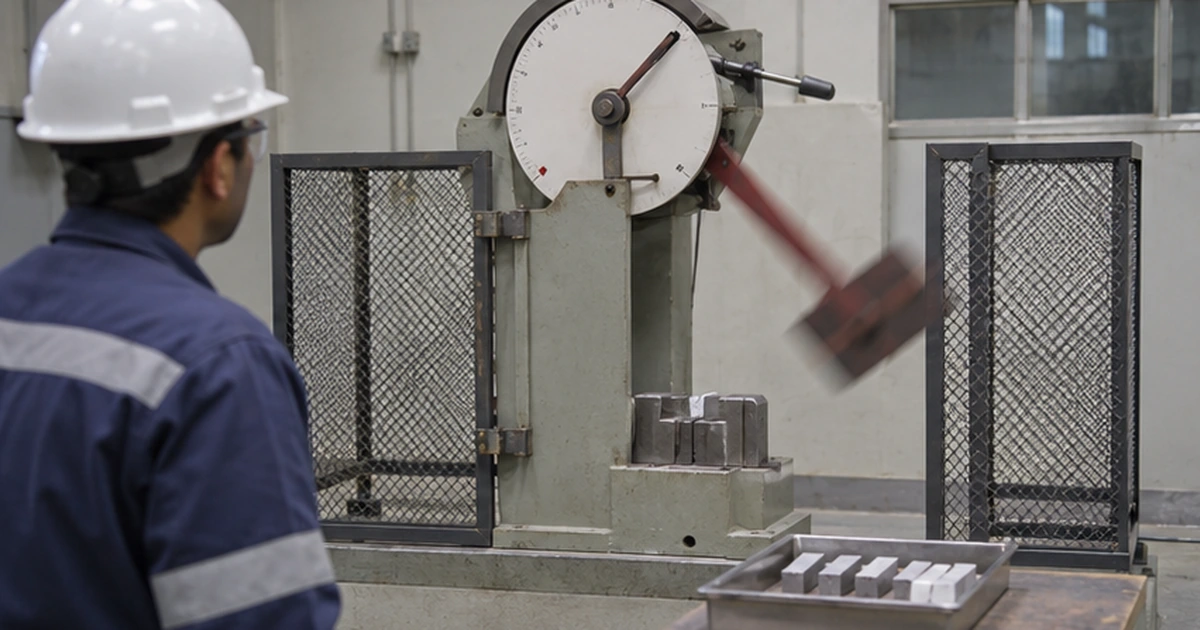
- Charpy impact tests where toughness is specified, often at low temperature
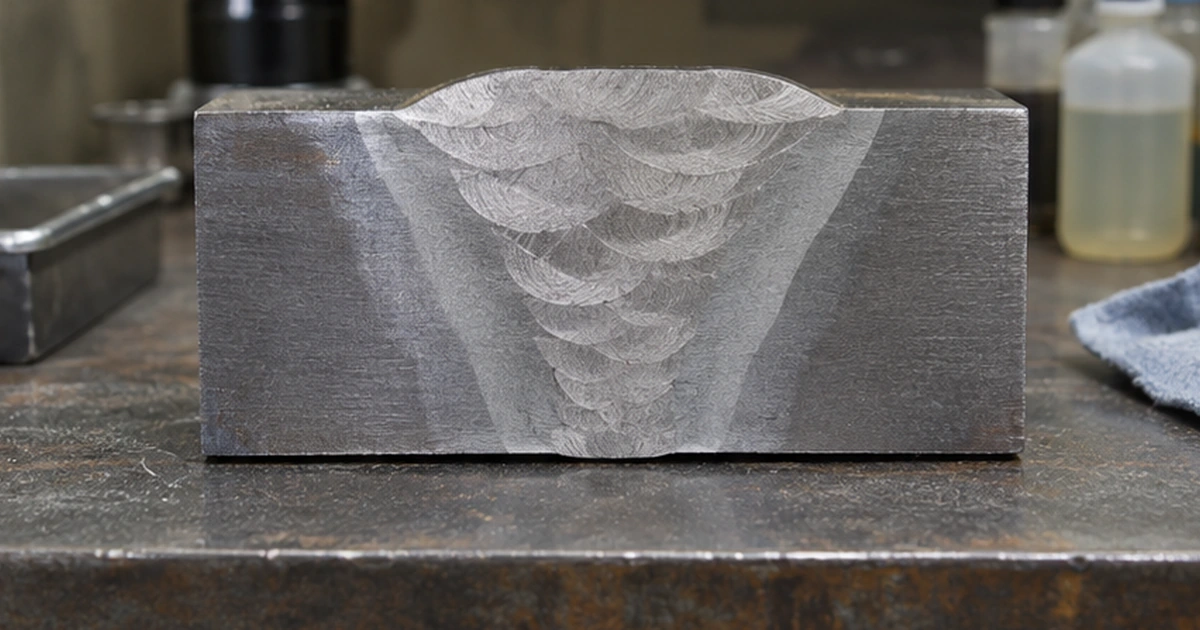
- Hardness surveys and macro examination of the weld cross-section
If all results meet the acceptance criteria, the record is signed by the examiner and becomes a qualified procedure qualification record.
Range of Qualification
Like a welder certificate, a PQR covers a range: a band of thicknesses, a material group, a filler classification and heat input limits. Production WPSs can be written within that range. Changing an essential variable, such as the material group, process or a large change in heat input, requires a new PQR. Supplementary variables become essential when impact toughness is required.
Why It Matters
A PQR protects everyone. The client knows that the welds in their structure have the properties used in the design. The contractor can show inspectors and classification societies that the work rests on tested procedures. And welders get clear, proven settings rather than guesswork.
From My Experience
On refinery and marine work, the first question from the inspector is often which PQR supports the WPS on the job. I keep both together with the welder certificates in the job file. When a question comes up on site, the answer is in the paperwork, not in anyone’s memory.
Conclusion
A procedure qualification record turns a draft procedure into a proven one, through a test weld and a full set of tests. See also welding procedure specification and ISO 9606-1 welder qualification.
If you found this article useful, feel free to share it with colleagues who work with welding engineers and inspectors. — Zisis
Need Help on a Project?
For welding supervision and quality control on marine and industrial work, see Welding Supervision or request a quote.