

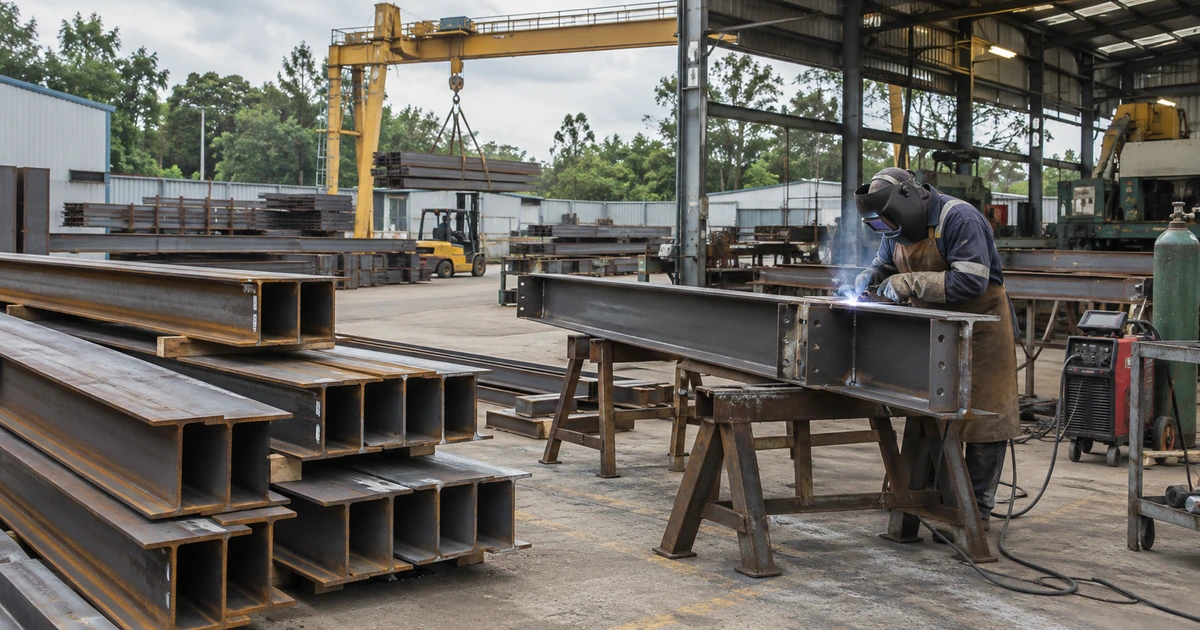
Ferrous Metals: The Iron Family
Ferrous metals are those based on iron. They include carbon steels, alloy steels, stainless steels, cast irons and wrought iron. They are strong, widely available and relatively cheap, which is why they make up most welded structures, ships, pipelines and machines. Apart from stainless steel and wrought iron, most ferrous metals rust when exposed to moisture and need painting, galvanising or other protection.
- Carbon steel: from low-carbon mild steel for structures and sheet to high-carbon steel for tools and springs
- Alloy steel: small additions of chromium, molybdenum, nickel or manganese for strength, toughness or heat resistance
- Stainless steel: at least about 10.5% chromium, forming a protective oxide film
- Cast iron: 2 to 4% carbon; easy to cast, brittle and difficult to weld
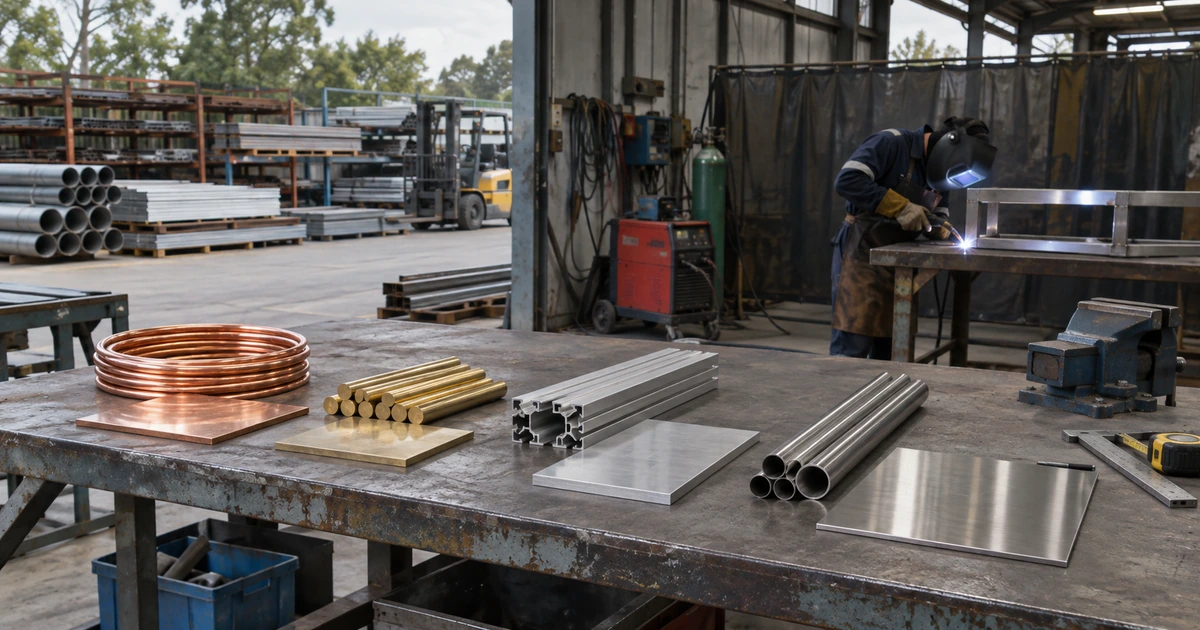
Non-Ferrous Metals
Non-ferrous metals contain no significant iron. They are generally lighter or more corrosion resistant, conduct electricity and heat well, and are not magnetic. They cost more, so they are used where those properties are needed.
- Aluminium: light, corrosion resistant, conductive; boats, structures, transport
- Copper and its alloys (brass, bronze, copper-nickel): electrical work, plumbing, marine piping
- Nickel alloys: high temperatures and aggressive chemicals
- Titanium: light, strong, excellent seawater resistance
- Zinc, lead and tin: coatings, batteries, solders
Telling Them Apart
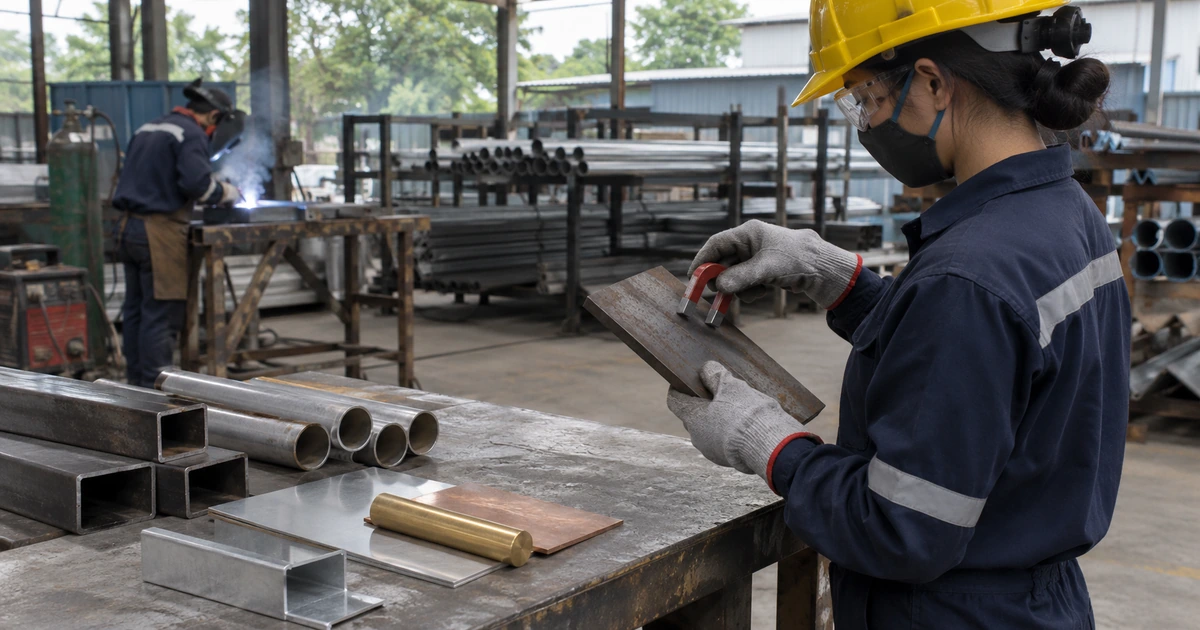
A magnet is the quickest field test. Carbon steels and cast irons are strongly magnetic. Most non-ferrous metals are not. Austenitic stainless steels, such as 304 and 316, are mostly non-magnetic too, although cold working can make them slightly magnetic, so the magnet alone does not prove that a part is or is not stainless. Weight, colour, spark testing and, best of all, the material certificate complete the picture.
Which Metals Weld Most Easily
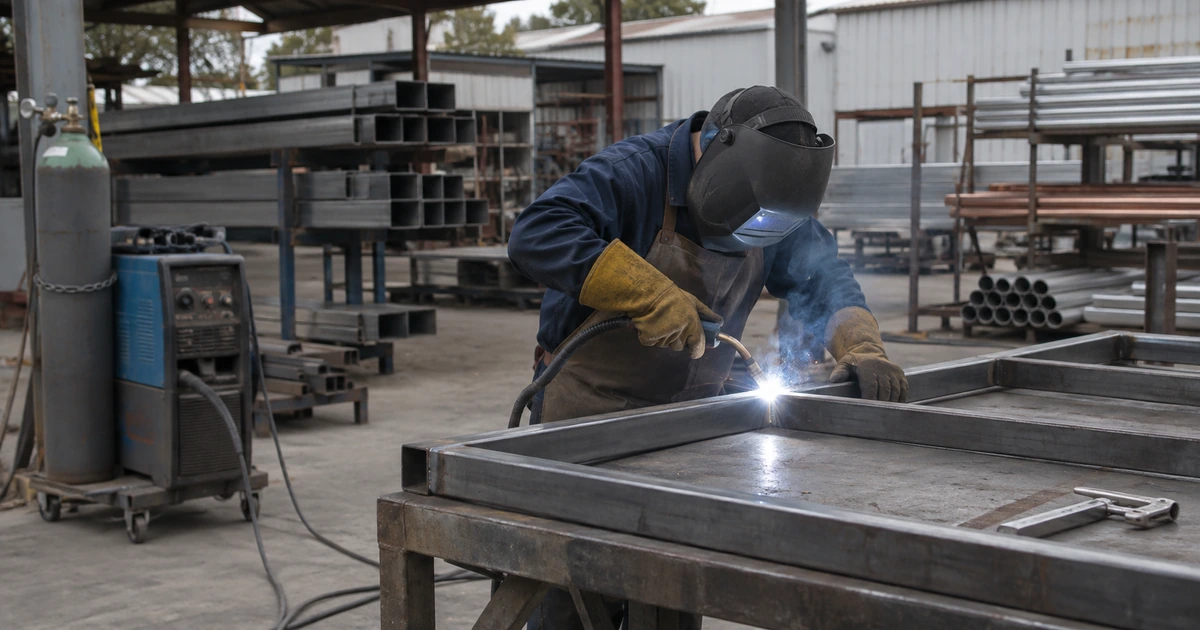
Low-carbon mild steel is the easiest metal to weld with almost every process. Its carbon content is low enough that the heat-affected zone does not harden much, and it tolerates a wide range of settings. Weldability falls as carbon and alloy content rise.
- Easy: mild steel, most austenitic stainless steels, 5xxx and 6xxx aluminium
- Need care: higher-carbon and alloy steels (preheat), duplex stainless (heat input), copper (heat loss), titanium (shielding)
- Difficult: cast iron, high-carbon tool steels, 2xxx and 7xxx aluminium
Materials in Welded Structures
Structural steelwork uses mostly carbon-manganese steels such as S235 and S355 under EN 10025. Shipbuilding uses classed steels such as grade A and AH36. Pressure equipment and piping use grades covered by their own standards. In each case, the welding procedure is qualified for the actual material group, so knowing exactly what is being welded comes first.
From My Experience
On repair work, nobody always knows what the old part is made of. I check with a magnet, look at the colour and the way it grinds, and ask for any drawing or certificate before choosing filler. Five minutes of checking avoids a weld that cracks the next day.
Conclusion
Ferrous metals carry most of the world’s welded structures; non-ferrous metals fill the roles where weight, conductivity or corrosion matter more. For details on specific families, see aluminium grades and stainless vs galvanised steel.
If you found this article useful, feel free to share it with colleagues who work with metalwork. — Zisis
Need Help on a Project?
For specialized welding on demanding materials on marine and industrial work, see Specialized Welding or request a quote.